

Emerging technologies increase the risks of data breaches in healthcare in Netherlands. In a recent incident, a mental health clinic in the Netherlands suffered from the leakage of the personal data of their patients. In 2022, the technology company Nedap exposed the incident of data breaches in their Carenzorgt.nl portal, which was used by thousands of healthcare institutes in the Netherlands. Therefore, the chronicles of healthcare data breaches indicate the necessity of a robust compliance framework in the healthcare sector. In addition, globalization makes businesses open to all, which demands global standardization and compliance practices. Thus, the Health Insurance Portability and Accountability Act (HIPAA) can help Netherlands healthcare businesses keep patient data private. HIPAA in Netherlands ensures patients’ data privacy and transparency in the business process.
Read the article to understand the importance of HIPAA certification in Netherlands and how it affects the business development of European companies.

Tl; DR:
Concern: HIPAA compliance is mandatory for US healthcare businesses. Therefore, compliance ensures the data security and privacy of US patients. Thus, European companies that deal with US patients must comply with HIPAA for transparent data security.
Overview: Compliance helps healthcare industries deal with transparency and support clients’ privacy. Netherlands healthcare businesses can use this process to secure patient data from the USA.
Solution: For Netherlands businesses, achieving HIPAA compliance is not mandatory if organizations are not managing US patients’ data. Read the blog to learn more about how HIPAA compliance in Netherlands helps in business growth in the US market. CertPro helps European companies comply with HIPAA at affordable prices.
WHAT IS HIPAA?
HIPAA is a federal law used to secure the Protected Health Information (PHI). In addition, PHI discloses the patients’ personal information, and HIPAA ensures the privacy of PHI. Disclosing PHI without patient consent would be considered an offense as per the HIPAA regulations. However, the law applies to businesses electronically transmitting data, such as covered entities and business associates. Interestingly, HIPAA was developed to improve the health insurance system and how healthcare was managed when it was first passed in 1996. Since then, the law has grown to include patient privacy, the uses and disclosures of health data, and data security. It is now one of the most important laws in the healthcare business. In short, HIPAA compliance ensures health organizations keep patient information safe and prevent the risk of heavy fines.
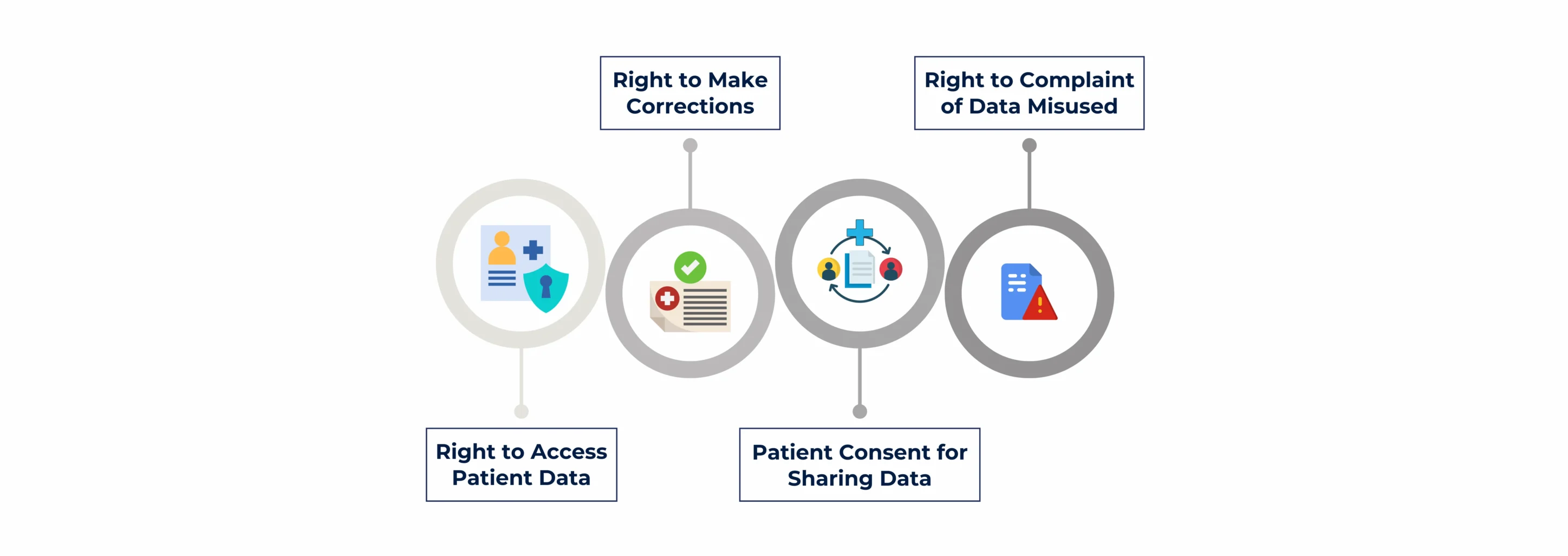
Why does HIPAA in the Netherlands need consideration? The HIPAA rules ensure that US patients have legal access and the right to ask for their data upon request. This signifies that Dutch companies respect HIPAA’s right of access. Patients can receive their medical records electronically or on paper, and they can designate a different healthcare provider or other people to receive their records. Patients can choose who can access their health information on their behalf (friends, family, or caregivers) under the Privacy Rule.
WHAT IS THE IMPORTANCE OF HIPAA IN NETHERLANDS?
HIPAA consultants offer a wide range of services, including:
- Gap Assessments: HIPAA experts thoroughly check existing policies, procedures, and infrastructure to discover non-compliant areas. Then, they identify missing regulations and evaluate the associated danger. Finally, consultants create a compliance roadmap to achieve and maintain HIPAA compliance.
- Perform a Security Analysis: HIPAA consultants help analyze security by evaluating the risk. They look at all digital assets. Thus, it is important to discover the risks and threats from internal and external sources related to accessing company data. It is an essential part of keeping the data safe and secure.
- Employee Training And Education: HIPAA consultants design customized employee training programs. They conduct training sessions or hire an internal trainer to train the employees regarding HIPAA rules. Consultants also recommend periodic refresher sessions to keep employees updated.
- Prioritizing Threats: Identifying threats and correctly allocating resources is very important. HIPAA consultants help identify crucial assets important for business continuity. They provide essential advice on allocating security budgets by analyzing the benefits and risks. It is the most important component of HIPAA regulations.
- Incident Response: HIPAA consultants work with your organization to develop incident response plans. It includes plans for detecting, reporting, and investigating potential breaches. They create methods for notifying patients and regulatory bodies. They implement measures to reduce harm and prevent future occurrences. In the event of a breach, these consultants provide support and help to manage the response process.
HOW TO INTEGRATE HIPAA IN NETHERLANDS?
HIPAA in Netherlands has simplified administrative tasks in the healthcare sector to protect sensitive health data. To stay in compliance, healthcare providers and their partners must take the required precautions to safeguard the security and privacy of PHI. Failure to do so could result in penalties and a loss of confidence.
Implementing Strict Privacy Guidelines: By developing privacy and security policies, covered entities and business associates demonstrate that they have taken proactive steps to prevent infractions and adhere to HIPAA security and privacy regulations. Remember that these policies must be recorded, shared with employees, and updated regularly.
Employee Training: Healthcare organizations must provide their employees with HIPAA policy training at least once a year and at orientation. Employees are required to provide written confirmation that they have comprehended all HIPAA regulations. Regular updates of the training materials are the responsibility of the organizations.
Informing Patients about Their Rights: Additionally, organizations must notify patients of their right to view their medical data, describe their privacy policies, and explain how PHI is handled in your organization. Patients must have access to their data, which indicates your dedication to accepting the patients’ rights to their data.
Appoint a HIPAA Security Officer: HIPAA in Netherlands mandates the appointment of a HIPAA Security Officer. This individual is in charge of supervising the development of privacy policies, guaranteeing their execution, and updating them every year. Therefore, the officer ensures policies and procedures prevent, identify, safeguard, and respond to ePHI data breaches.
Secure the Medical Records: Organizations must analyze the risks to ePHI, document their security management process, and implement security measures to reduce those risks. Other strategies include emergency response plans, staff training, and the use of Information Access Management to regulate access to medical records. Organizations that store ePHI must be able to manage who has access to such facilities. Additionally, they must safeguard any workstations and devices that send or store electronic health information. These protections apply to physical locations storing ePHI, like computer and office systems. In addition, technical measures that include hardware, software, and other technologies can be implemented to restrict access to e-PHI.
Restricted Disclosure of Information: HIPAA in Netherlands entitles minimum necessary usage and the disclosure of information as per the Privacy Rule. This ensures that the intended purpose is met by limiting the amount of disclosed patient information. To achieve their intended goal, covered entities must try to use, disclose, and seek as little protected health information as possible.
WHAT ARE THE PENALTIES FOR FAILING TO FOLLOW HIPAA RULES?
Netherlands healthcare sectors dealing with US customers must comply with HIPPA. A violation occurs when a covered company or business partner fails to comply with the HIPAA Privacy, Security, or Breach Notification Rules. The HHS and US State Attorneys General offices issue HIPAA penalties. Aside from financial penalties for noncompliance, covered institutions must implement a corrective action plan to align their policies and processes with HIPAA standards. Depending on the gravity of the infractions, the OCR may resolve them by non-punitive means or by imposing appropriate financial penalties. HIPAA fines fall into two main categories: civil litigation and criminal cases. The type of non-compliance event and the coarse adjustment pursued after discovery determine the nature of these cases. Organizations that violate these rules must face HIPAA fines that range from $127 to $250,000.
HOW CERTPRO CAN HELP TO BECOME HIPAA COMPLIANT?
You must comply with HIPAA in Netherlands if your company is cloud-hosted and gathers personally identifiable information of US citizens that might be accessible to medical practitioners or if your clients generate, use, or transfer PHI via your services. CertPro’s guidance and audit services can help you get HIPAA certification in Netherlands. With our intense support and guidance, we manage and safeguard your business. In addition, we review the vendor’s management process and access to PHI and conduct staff training regarding HIPAA. CertPro can help you effortlessly become HIPAA compliant. Connect with us today to figure out the tailored services for HIPAA compliance.
FAQ
Why is HIPAA compliance essential for Dutch healthcare companies entering the US market?
HIPAA compliance ensures that Dutch healthcare organizations meet US standards for protecting patient data, building trust with US partners and customers, and avoiding legal penalties.
How does HIPAA alignment improve collaboration between Dutch and US healthcare providers?
HIPAA compliance fosters seamless data sharing and collaborative research opportunities, enabling Dutch healthcare industries to work effectively with US counterparts.
What are the long-term advantages of HIPAA compliance for Dutch healthcare businesses?
HIPAA compliance not only facilitates entry into the US market but also strengthens data protection frameworks, boosts reputation, and opens doors to partnerships and investments in other regulated markets.
How does the Netherlands healthcare system compare to the United States?
The Netherlands has a universal, public-private healthcare system with mandatory insurance, ensuring access for all. In contrast, the U.S. relies heavily on private insurance, with significant disparities in access and costs.
How does adhering to HIPAA standards benefit Dutch healthcare industries in global expansion?
Complying with HIPAA enhances data security and privacy practices, which are highly valued globally, making Dutch companies more competitive and trustworthy in international markets.

About the Author
BENEDICT ESSANDOH
Benedict Essandoh, CertPro’s Regional Director in Ghana, is a compliance and ISO standards expert. Specializing in health and safety, he conducts audits, implements ISO 9001 and ISO 45001, and excels in accident investigation and site inspections, ensuring international standards are met.
HIPAA UPDATES 2026: KEY REGULATORY CHANGES, NEW RULES, AND COMPLIANCE IMPACT EXPLAINED
Healthcare data breaches continue to rise, and the pattern is clear. Attackers target patient records because they carry long-term value. At the same time, many organizations still rely on outdated controls, scattered data systems, and weak vendor oversight. That gap...
Why is HIPAA Important to Patients
LAST UPDATE -- 10-01-2025 The Health Insurance Portability and Accountability Act, also known as HIPAA, is crucial for patients because it safeguards their privacy and health information. In order to provide national standards for the security of specific health...
WHAT IS THE HIPAA OMNIBUS RULE
In the U.S. healthcare sector, sensitive medical records are often subjected to cyberattacks like data breaches and ransomware. For example, recently a misconfigured MongoDB database has led to the exposure of 2.7 million patient profiles. This incident is due to a...