
The expansion of digital transformation has a potential impact on cyberattacks. Therefore, digital advancement accelerates the recent global incident of data breaches. Organizations require strong data security measures to mitigate cyber threats. In Canada, the cybersecurity landscape is evolving, and the country faces unique challenges in protecting digital assets. Unfortunately, businesses from Canada, including startups, are increasingly facing cyber threats. Recent data suggests that cyberattacks in Canada have risen sharply over the past few decades. Hence, the cost of data breaches also increased. Thus, Canadian businesses require extra security measures to strengthen their security protocol. The Canadian government has implemented data protection laws to combat the situation. The Personal Information Protection and Electronic Documents Act (PIPEDA) is one of them to protect business data. On the other hand, the world is following SOC 2 for data security. Now, SOC 2 vs PIPEDA can create difficulties in understanding what needs to be followed.
In this regard, Canadian companies need to implement the SOC 2 certification in Canada, a global data security standard. It also helps your organization to meet PIPEDA Standards with SOC 2 Compliance. This article will help you discuss SOC 2 vs PIPEDA and how SOC 2 compliance helps achieve PIPEDA compliance in Canada.
UNDERSTANDING SOC 2 COMPLIANCE
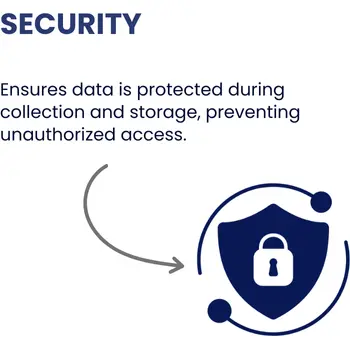
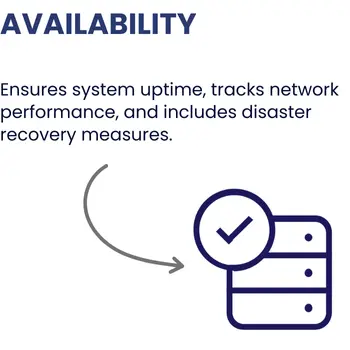
It is a security framework that protects customers’ data from unauthorized access and prevents vulnerabilities in your organization. The American Institute of Certified Public Accountants (AICPA) developed SOC 2 in 2010. Thus, the compliance has five Trust Services Criteria (TSCs) to protect the customer’s data. Why is SOC 2 compliance essential for Canadian businesses? The reason is simple: data breaches rose to 40% in the USA market in 2021, which is alarming for Canadian companies to take proactive approaches. Therefore, the SOC 2 security framework reviews the customer data handling and managing process to create stakeholder trust. The discussion of SOC 2 vs PIPEDA signifies that SOC 2 is important for global businesses.
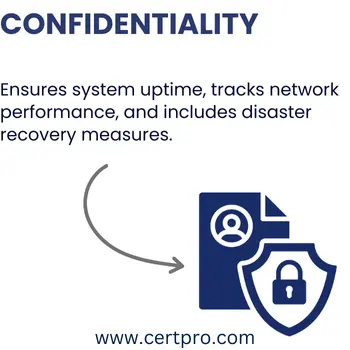
Here are the Five SOC 2 Trust Principles:


UNDERSTANDING PIPEDA COMPLIANCE
The Personal Information Protection and Electronic Documents Act (PIPEDA) is a federal law in Canada that controls how private businesses can gather, use, and share personal information for business purposes. The act was first introduced on April 13, 2000, to change data protection and implement a comprehensive privacy provision. Thus, private organizations in Canada that engage in commercial activities and collect clients’ personal information must implement PIPEDA. Therefore, it protects people’s privacy rights while realizing that companies must collect and use personal data for legal reasons. Under PIPEDA, every private business in Canada that collects personal information for business purposes must follow the strict rules of the law. However, SOC 2 vs PIPEDA suggests both are important for today’s digital world if your business is related to Canadian customers.
Here are the Key principles of PIPEDA:

SOC 2 VS PIPEDA: SIMILARITIES
The SOC 2 and PIPEDA have many similarities. Both compliances help you protect your organization’s personal information. Therefore, the similarities are:
- As per SOC 2 compliance, the organization must inform customers about their privacy practices through a privacy notice. At the same time, PIPEDA requires transparency in the data collection and handling process.
- SOC 2 compliance requires the data subject to consent to the service organization’s collection, retention, and disposal of personal information. Meanwhile, PIPEDA also requires consent from the data subject to collect and process personal data.
- Both compliances require third-party data management systems to ensure that the data is reliable and lawfully collected.
- Under the SOC 2 Privacy criteria, the organization allows the data subject to update their data at any time. Similarly, PIPEDA also enables the data subjects to rectify their inaccurate data.
- SOC 2 VS PIPEDA agrees not to hold personal data for long if it is unnecessary. Both compliances agree to eliminate and dispose of unnecessary data from the database.
- Individual data must be adequately protected to protect its security and privacy, as required by the SOC 2 Privacy criteria and PIPEDA. This could mean encrypting the information or making it anonymous.
SOC 2 VS PIPEDA: DIFFERENCES
The SOC 2 compliance and PIPEDA have many differences like:
- SOC 2 certification applies to all organizations that manage customer data, whereas PIPEDA only applies to Canadian businesses or organizations handling the personal data of Canadian people.
- SOC 2 is not mandatory, while PIPEDA is compulsory compliance of the non-governmental organization in Canada. It ensures the data security of citizens of Canada and safeguards Canadian businesses from data breaches.
- The SOC 2 compliance does not impact or change the existing data stored, but PIPEDA may impact personal information held or processed.
HOW DOES SOC 2 HELP IN MEETING THE PIPEDA STANDARDS?
SOC 2 compliance certification requires multiple steps for implementation. However, it simplifies the implementation of other data security measures like PIPEDA. SOC 2 vs. PIPEDA signifies that both compliances are implemented to secure customer data. Some points are enlisted to clarify how SOC 2 compliance helps in PIPEDA:
- Finding the Audit Scope: In this process, applying TSCs simplifies the process and recognizes the flaws in your data management and storage process. It helps implement PIPEDA compliance in Canada. Data mapping is a process that is required in PIPEDA compliance, which SOC 2 compliance can achieve.
- Documentation: A data collection, processing, and storage record is essential for SOC 2 reports. PIPEDA requirements also demand the same documentation to validate the application of the Canadian rules for customers’ safety. If your organization has already implemented SOC 2 compliance, then the documentation for PIPEDA can be straightforward.
- Implementation of Controls: SOC 2 demands multiple controls to secure the customer’s data. The process includes multi-factor authentication, access control, data encryption, firewalls, and third-party risk assessment. Similarly, PIPEDA requires access control, data encryption, and third-party risk assessment. Thus, the implementation of SOC 2 makes things simple for PIPEDA for implementation and follows.
- Gap Analysis: After setting up your systems, controls, and documentation, you need to review the compatibility of the controls for SOC 2 compliance. This gap analysis identifies the vulnerabilities in your process that need to be rectified for the customer’s data safety. Thus, the process helps in the PIPEDA process, as the basic requirement is to protect the customer data from unnecessary access.
- Compliance Maintenance: SOC 2 certification in Canada requires continuous monitoring and upgradation. In the same way, PIPEDA requires surveillance audits to continue the compliance journey. If your organization achieved the SOC 2 report, it would be easy to maintain PIPEDA compliance and reduce the cost of compliance practices.
FINAL THOUGHTS
SOC 2 vs. PIPEDA is similar in many ways, but it also has differences. Both PIPEDA and SOC 2 aim to protect individual privacy in the digital age, although their approaches differ significantly. PIPEDA focuses on safe data management within Canada’s borders. In contrast, SOC 2 offers comprehensive approaches to securing your organization’s data. Compliance reduces the risk of data breaches and non-compliance-related penalties in your organization. SOC 2 vs PIPEDA are both essential and strengthen the security aspect in Canadian businesses.
Companies that handle personal information in Canada or customer data from Canada are subject to both frameworks. CertPro can help you navigate the complex world of data privacy laws. Our experienced and professional auditors can help and guide you in implementing the strategy according to your organization’s needs. Connect with CertPro and get a consultation for your future betterment.
FAQ
What is SOC 2 Canada?
SOC 2 certification in Canada offers data security, availability, processing integrity, confidentiality, and privacy. Compliance eliminates the risk of data breaches in Canadian businesses.
Is SOC 2 the same as PIPEDA?
No. SOC 2 is a data security compliance that applies to all organizations worldwide. In contrast, PIPEDA only applies to businesses that handle and manage Canadian client information.
Are both SOC 2 and PIPEDA mandatory for Canadian businesses?
SOC 2 is a voluntary compliance practice, while PIPEDA is mandatory for businesses in Canada for handling information of Canadian citizens.
How does SOC 2 compliance help in PIPEDA implementation?
The SOC 2 audit process helps implement some controls that help in PIPEDA compliance. Because of both data security practices, PIPEDA mainly focuses on ensuring Canadian customers’ rights and privacy.
SOC 2 vs PIPEDA, which is essential for Canadian companies?
Both compliances can help Canadian companies reduce the risk of emerging data breaches. The application of both can help Canadian businesses take proactive measures. Hence, it strengthens their security protocol and eliminates the risk of penalties.

About the Author
ANUPAM SAHA
Anupam Saha, an accomplished Audit Team Leader, possesses expertise in implementing and managing standards across diverse domains. Serving as an ISO 27001 Lead Auditor, Anupam spearheads the establishment and optimization of robust information security frameworks.
HOW SOC 2 COMPLIANCE SOFTWARE CHANGES AUDIT READINESS
There's a version of SOC 2 preparation that most security teams know too well. The audit date is approaching. Someone sends a spreadsheet asking for access logs, vendor assessments, and approval records. People scramble. Documentation gaps appear. What should take...
HOW SOC 2 TYPE II CERTIFICATION IMPACTS CUSTOMER CONFIDENCE AND DATA SECURITY
Enterprise buyers changed how they evaluate vendors. They no longer trust self-reported security claims. Instead, vendor risk management became a top priority. Consequently, procurement teams demand independent proof. They need verification that vendors protect their...
SOC 1 VS SOC 2: WHICH REPORT YOUR CUSTOMERS ACTUALLY ASK FOR
If you sell SaaS or provide outsourced services, you have likely been asked for a SOC report. However, the follow-up question is rarely easy to answer: do they mean SOC 1 or SOC 2? Both reports fall under the AICPA’s System and Organization Controls (SOC) reporting...