
NETHERLANDS: Compliance & Certification Services
The Netherlands has a dynamic business environment with an open and innovative economy. Plus, it is one of the most competitive global economies with diverse sectors like manufacturing, logistics, services, and agriculture. Moreover, its strategic location has made it a key player in international trade and a gateway to the European market. Thus, opting for compliance certification in Netherlands is essential to thrive in this competitive landscape.
Global standards like ISO 27001, ISO 14001, and the EU’s GDPR are relevant to businesses operating in the Netherlands. Moreover, compliance is the foundation for operating in the country’s highly structured and transparent legal framework. Moreover, many international businesses are seeking compliance certification in Netherlands for a smooth market entry and operation all over the EU.
At CertPro, we provide effective compliance consulting services in Netherlands that cater to the needs of global businesses. Additionally, we assist businesses in complying with all EU-based regulations. Furthermore, we provide a complete compliance solution, encompassing all the key steps. These steps include initial gap analysis, followed by the development of relevant policies, risk management, and employee training. Additionally, we provide a seamless compliance strategy for businesses of all sizes across diverse industries. On top of that, our unique approach ensures that your commitment to compliance helps you achieve operational efficiency and sustained business growth.
NETHERLANDS – Focused Compliance & Certification Services




Trusted Clients in the Netherlands








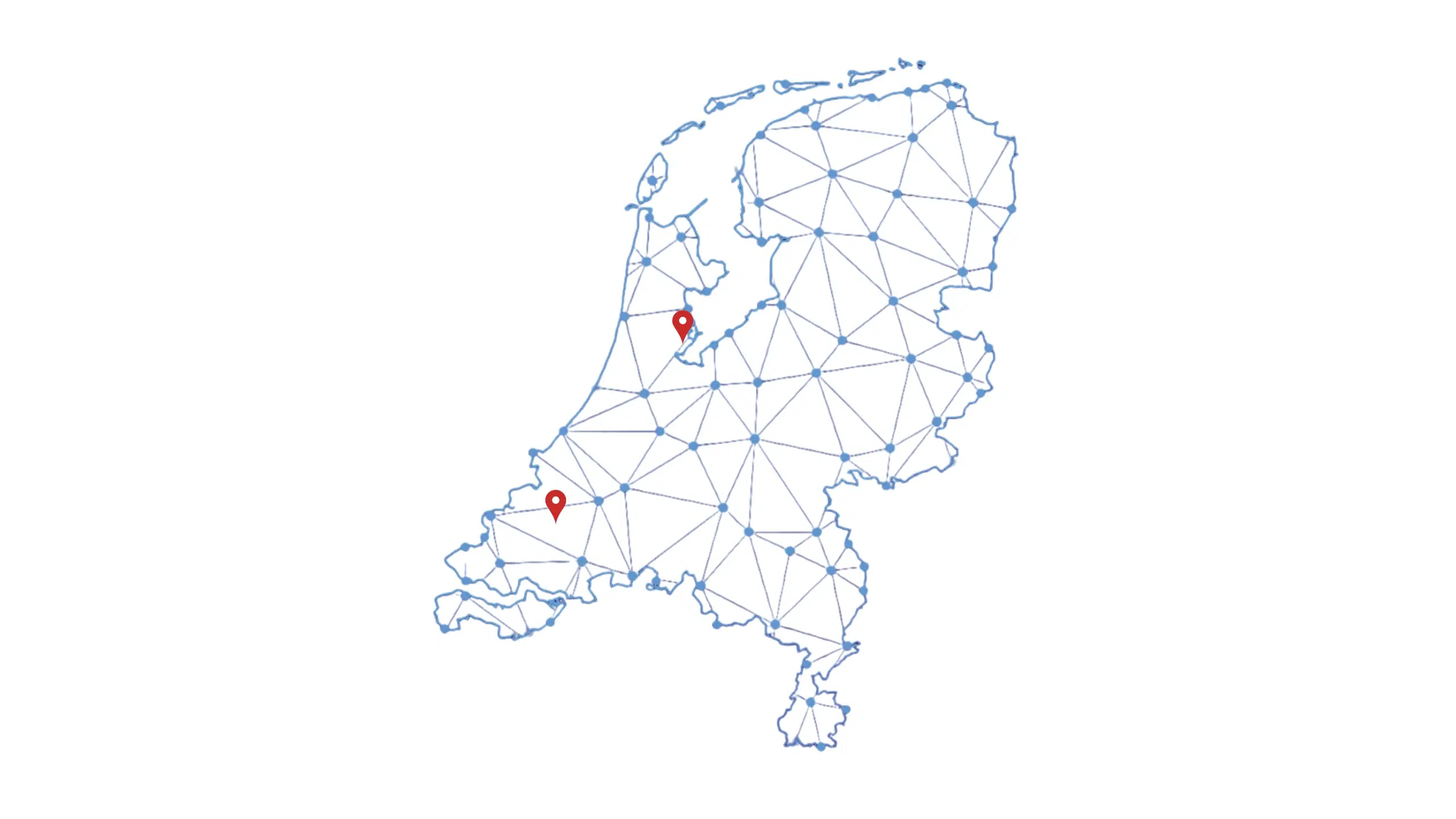
WHY IS COMPLIANCE CRITICAL FOR BUSINESSES IN THE NETHERLANDS?
The Netherlands is an important part of the European Union. As a result, businesses operating in the Netherlands must adhere to state regulations concerning trade, data protection, environmental standards, and labor laws. This ensures the implementation of legal and ethical business practices, data security, and fosters trust among stakeholders. Moreover, all businesses that control and process sensitive customer data must strictly enforce GDPR.
Non-compliance with such key regulations ultimately leads to hefty fines, legal penalties, reputational damage, and exclusion from public tenders. For example, the Dutch Data Protection Authority (DPA) has imposed a €290 million fine on Uber for transferring European taxi drivers’ personal data to the United States (US) without adequate protection. On the other hand, businesses that obey the regulatory standards achieve customer trust, loyalty, operational stability, and the opportunity to access the EU’s single market. In the Netherlands, non-compliance not only brings fines but also results in loss of eligibility for public contracts, EU-funded tenders, and research grants. For example, Dutch government tenders often require ISO and GDPR-certified vendors, leaving non-compliant firms at a competitive disadvantage.
Additionally, compliance consulting services in Netherlands also help businesses with government incentives and subsidies. This, in turn, gives them a competitive advantage in the business market. However, non-compliance leads to the loss of profitable public tenders and contracts, as the government only prioritizes compliant businesses for collaboration. Moreover, complying with regulations like GDPR helps businesses mitigate the risk of data breaches. This in turn, safeguards both customers and businesses from potential harm to their reputation. Furthermore, another key benefit of opting for compliance is that it helps businesses to attract foreign direct investment (FDI). As a result, investors tend to favor compliant firms due to their reliability and reduced risk factors.
KEY REGULATORY BODIES OVERSEEING COMPLIANCE IN THE NETHERLANDS
Key agencies in Netherlands that regulate compliance across industries are:
- Netherlands Authority for Consumers and Markets: Regulates market competition, consumer protection, and specific sectors like energy, telecom, and transport.
- Dutch Data Protection Authority: The Dutch Data Protection Authority protects personal data and privacy by enforcing GDPR and the Dutch Data Protection Act.
- Dutch Tax and Customs Administration: Manages tax and customs compliance for businesses and individuals with tax obligations.
- Netherlands Central Bank: Ensures financial stability and monetary policy by regulating the financial institutions.
- Authority for Financial Markets: Manages financial markets and services by monitoring securities and investment firms and enforcing anti-money laundering rules.
- Netherlands Labour Authority: Ensures better labor conditions and workplace safety. It addresses compliance with relevant employment laws.
- Financial Intelligence Unit (Netherlands): It regulates the financial sector and a few designated non-financial businesses.
- Environmental and Transport Inspectorate: Takes care of the environmental and transport compliance for manufacturing, logistics, and environmentally impactful industries.
While ISO and NEN standards guide most Dutch industries, RvA accreditation ensures compliance credibility. Compared to broader EU bodies like CEN and CENELEC, Dutch NEN standards maintain a strong national focus while aligning with EU directives. Thus, businesses need to find the best audit and certification services in Netherlands to survive in this strict regulatory atmosphere.

COMMON COMPLIANCE CHALLENGES FOR BUSINESSES IN THE NETHERLANDS
Achieving compliance certification in Netherlands is essential. Yet, businesses face several challenges in today’s market due to evolving technologies, strict rules, and global expectations. However, now let’s learn about some of the common compliance challenges across businesses in the Netherlands.
1. Adapting to Evolving Rules: The Dutch laws and European trade regulations often change to match new priorities like sustainability and digital trade. So, businesses must stay updated with these changes to avoid risks and ensure compliance.
2. Identifying the Industry-Specific Requirements: Each industry should follow a specific set of regulations to stay compliant. Furthermore, industries must balance both the local laws and EU-based standards by identifying the overlaps.
3. Managing Data Security and Privacy: The new-age cyberthreats are causing more damage to businesses. Furthermore, detecting these cyberthreats has become increasingly challenging. Therefore, businesses must put in place strong control measures to safeguard sensitive information and adhere to compliance requirements. Many companies now seek ISO certification Netherlands to strengthen trust and prove their commitment to global best practices.
4. Shortage of Talents: Organizations in the Netherlands are struggling to find skilled workers who can handle the compliance tasks effectively.
5. Global Regulatory Pressure: The General Data Protection Regulation is an EU-based privacy regulation that focuses on the protection of personal data of the EU’s citizens. In particular, it regulates data privacy and security in organizations that manage them. In the Netherlands, GDPR certification schemes are accredited under ISO/IEC 17065. The Raad voor Accreditatie (RvA) and the Dutch Data Protection Authority (AP) play a key role in approving and supervising these schemes, ensuring they align with EU-wide GDPR certification frameworks.
Compliance certification in Netherlands with expert guidance can help businesses overcome these challenges. Hence, businesses must collaborate with expert auditors like CertPro to overcome these challenges.
UNDERSTANDING MAJOR COMPLIANCE STANDARDS IN THE NETHERLANDS
Businesses operating in the Netherlands must adhere to several key standards according to their nature and scope. Accordingly, some of the key standards they should consider are:
-
- ISO 27001: This global certification helps organizations handling sensitive data to develop an effective Information Security Management System (ISMS).
- GDPR: The General Data Protection Regulation is an EU-based privacy regulation that focuses on the protection of personal data of the EU’s citizens. In particular, it regulates data privacy and security in organizations that manage them.
- HIPAA: The HIPAA act focuses on protecting patient health information handled in the healthcare industry.
- SOC 2: Organizations dealing with sensitive data use this global auditing standard to enhance their cybersecurity posture. Plus, this AICPA standard works on the principles of five TSCs.
- ISO 27018: This standard focuses on protecting the Personally Identifiable Information (PII). Specifically, industries offering cloud services, SaaS firms and data processors use this standard.
- ISO 27701: Businesses aiming to establish and strengthen their privacy information management system can adhere to this standard. For instance, this standard is applicable to data processing companies and IT services.
- CCPA: This standard is mandatory for global tech firms, e-commerce companies, and agencies extending their operations to the US market. In particular, if they deal with California’s citizens, then CCPA is essential.
- CE MARK: This marking is important for manufacturing industries. Also, this manufacturer’s declaration of conformity with EU regulations demonstrates that the products are ready for sale anywhere in the European Economic Area.
- PIPEDA: This Canadian privacy law applies to businesses dealing with the personal information of Canadian clients for their key business activities.
Businesses must consider achieving compliance certification in Netherlands to understand these trends. Hence, CertPro provides effective audit services in Netherlands to help businesses understand these standards.
HOW CERTPRO IS MAKING A DIFFERENCE IN COMPLIANCE FOR BUSINESSES IN THE NETHERLANDS
Small and medium-scale enterprises form the backbone of the Netherlands’ vibrant economy. Furthermore, cities like Amsterdam are a hub for tech and finance startups. In addition to these firms, the Netherlands is also a home for well-established enterprises like ASML, Shell, and Philips. Above all, these huge enterprises and startups are mandated to follow a wide range of rules and regulations in technology, healthcare, finance, and manufacturing. Following these rules is more than just avoiding risks. Moreover, it helps build customer confidence and trust, and it also supports business growth. So, it is mandatory for businesses to choose compliance certification in Netherlands.
Compliance might sound like a complicated process, but it plays a pivotal role in safeguarding the efficiency of business operations and mitigating risks. Many companies also aim for ISO certification Netherlands to demonstrate reliability and their commitment to proactive risk management and streamlined business operations. Moving forward, this is where global audit firms like CertPro step in to ensure compliance certification in Netherlands. Also, we are the leading compliance consultants in Netherlands.
Besides, many organizations in the Netherlands are dealing with strict regulations like GDPR, the Dutch climate Act, and the Financial Supervision Act. In particular, firms handling sensitive data must focus on ISO 27001 Netherlands to strengthen their information security management systems. These are instances where our compliance services in Netherlands make a difference. Because we offer clear and practical compliance solutions with the right guidance and tailored strategies suitable for individual business needs. Furthermore, CertPro’s compliance strategies are not about instant fixes. Rather, they aim to create long-lasting business solutions. Additionally, our approach makes sure that nothing is left unnoticed.
As a result, CertPro’s compliance services in Netherlands change how the Dutch companies approach compliance.
INDUSTRIES IN THE NETHERLANDS THAT BENEFIT MOST FROM COMPLIANCE
The Netherlands business landscape is a hub for diverse industries. Therefore, let’s identify some of the key industries that benefit from compliance certifications in the Netherlands.
- IT and Technology: The EU’s GDPR, ISO 27001, AICPA SOC 2, and Dutch data protection standards help ensure safe handling of customer data. Furthermore, data security and privacy are crucial factors for tech firms and startups in Amsterdam.
- Healthcare: Strict adherence to the EU Medical Device Regulation (MDR), the Health Insurance Portability and Accountability Act (HIPAA), and relevant complaint and dispute resolution frameworks helps protect patients’ sensitive health data and ensures the safety and reliability of medical devices.
- Finance: Compliance with anti-money laundering rules ensures that financial operations are secure and done according to legal rules. Moreover, they protect financial institutions from sanctions and make them eligible for cross-border financial activities.
- Manufacturing Industry: Adherence to ISO 9001, ISO 14001, ISO 45001, the environmental management act, and the EU’s emission standards helps ensure sustainable production of products and meet the quality of export standards.
- Logistics and Transport: Compliance provides them with boosting cross-border trade. This helps them maintain a competitive edge in the global supply chain.
EMERGING COMPLIANCE TRENDS IN THE NETHERLANDS FOR 2025
As the digital tools and cyber threats increase, businesses aiming for compliance certification in Netherlands must adapt to the evolving trends. So, the Key trends to look for in 2025 include:
- Stronger Data Privacy Regulations: The authorities are demanding a strict enforcement of GDPR law. A data leak or misuse can lead to fines up to 20 million Euros.
- Cybersecurity Posture: Due to the rising cyberattacks on Dutch businesses, authorities are now pushing businesses toward developing a strong cybersecurity posture.
- Cloud-Specific Challenges: Cloud service providers are dealing with new and growing challenges like rules about where data must be stored (data localization), increasing customer expectations, and the need to keep up with new technologies.
- EU Directives: Compliance in the Netherlands also connects with broader EU directives. The NIS 2 Directive enforces stricter cybersecurity for critical industries. The EU AI Act will shape how Dutch AI and tech firms manage compliance and transparency. Furthermore, the Corporate Sustainability Reporting Directive (CSRD) is now a major requirement for large Dutch enterprises reporting environmental, social, and governance (ESG) practices. For businesses, obtaining ISO certification Netherlands is becoming a key step in addressing these trends while ensuring global recognition and trust. Many organizations also consider ISO 27001 Netherlands as a vital framework to strengthen their information security and protect against growing cyber threats.
Thus, overcoming these challenges by partnering with compliance experts is the top priority for businesses in the Netherlands. On top of that, the Dutch industries are trying to find a balance between digital growth and innovation on one hand and privacy, security, sustainability, and fair trade practices on the other hand. Accordingly, CertPro, as a leading compliance consultant in Netherlands will help you in achieving this balance. To your benefit, from startups to established enterprises, we provide the best guidance to obtain compliance certification in Netherlands. Moreover, we assist them by providing efficient risk management services in Netherlands to handle new-age cyber threats. This, in turn, enhances the trustworthiness of their investors and key parties.
STEPS TO ACHIEVE COMPLIANCE IN THE netherlands
Achieving compliance certification in Netherlands requires a structured approach to meet legal and industry-specific standards. Therefore, businesses must actively assess risks, implement security measures, and monitor compliance to avoid penalties and ensure smooth operations. Hence, here are seven essential steps:
1. Identify Relevant Regulations: Determine which standards apply to your business, such as ISO 27001, ISO 45001, SOC 2, HIPAA, and GDPR.
2. Conduct a Compliance Assessment: Perform a gap analysis to find weaknesses and areas for improvement.
3. Develop Policies & Procedures: Create clear guidelines for security, privacy, and operational compliance.
4. Implement Security & Risk Controls: Strengthen cybersecurity, data protection, and risk management.
5. Train Employees on Compliance: Educate staff on best practices, legal duties, and security protocols.
6. Monitor & Audit Regularly: Conduct internal audits and ongoing monitoring to prevent violations.
7. Stay Updated & Adapt: Track regulatory changes and update policies to maintain compliance.
That’s why, a proactive approach ensures businesses meet legal requirements while strengthening security and trust. Hence, organizations must partner with our expert audit services in Netherlands to follow these steps without errors.
CERTPRO: YOUR COMPLIANCE PARTNER FOR BUSINESS SUCCESS IN THE NETHERLANDS
So, we can conclude that achieving compliance certification in Netherlands is an unavoidable factor for business growth in the Dutch country. Now, a key task is finding an expert team to guide you in this process. No worries. CertPro is here to help you. We are the leading compliance consultants in Netherlands, providing round-the-clock services catering to your business needs. Above all, our specialty lies in our unique approach. We just don’t provide auditing service; rather, we offer a comprehensive compliance strategy that works as the foundation for your business growth. Furthermore, achieving compliance certification in Netherlands shows a business’s commitment to legal and ethical business practices.
Further, maintaining data protection and privacy is an inevitable rule for surviving in the EU’s market. To take care of this critical factor, we have leveraged our audits with modern compliance automation tools. Moreover, this approach has enabled us to prevent manual errors and inconsistencies in our documentation process. As a result, we have been able to offer strong data security and management procedures. Furthermore, we recognize that the region from Amsterdam to Rotterdam is becoming an emerging hub for key industries within the European Union. Therefore, businesses must adhere to international standards such as GDPR, ISO 27001, and SOC 2. Additionally, businesses that prioritize compliance certification in Netherlands are well-prepared to face regulatory audits and inspections.
CertPro is a leading consultant in offering these key compliance services in Netherlands. So, what are you waiting for? Connect with us to experience a transformative compliance service that places you well ahead of your competitors in the market.
FAQ
What is compliance certification in the Netherlands and why is it important?
Compliance certification in the Netherlands proves that a business follows Dutch and EU regulations. It is important because it builds trust, reduces risks, ensures market access, and helps companies win contracts, tenders, and foreign investments.
What are the risks of non-compliance in the Netherlands?
Non-compliance in the Netherlands can lead to heavy GDPR fines, exclusion from public tenders, and loss of funding opportunities. It also damages reputation, prevents growth, and restricts market access for businesses operating in Dutch and EU markets.
Why is ISO 27001 in Netherlands important for data-driven companies?
ISO 27001 Netherlands is important because it focuses on information security management. It helps data-driven companies protect sensitive information, meet GDPR requirements, reduce cyber risks, and demonstrate strong security practices to customers, investors, and Dutch regulatory authorities.
How can CertPro help businesses achieve compliance in the Netherlands?
CertPro helps businesses achieve compliance in the Netherlands through audits, risk management, GDPR consulting, and ISO certification support. Its expert guidance ensures companies follow Dutch and EU standards while boosting trust, competitiveness, and long-term business sustainability.
How much are GDPR fines in the Netherlands for non-compliance?
GDPR fines in the Netherlands can reach up to 20 million euros or four percent of annual global turnover. The Dutch Data Protection Authority (AP) decides penalties based on the seriousness and nature of the violation.