
HIPAA Certification in USA
Executive Summary: HIPAA certification in the USA is an independent, audit-based validation process conducted by a Licensed CPA Firm to evaluate an organization’s compliance with the Health Insurance Portability and Accountability Act of 1996. The audit assesses covered entities and business associates against administrative, physical, and technical safeguard requirements established under 45 CFR Parts 160 and 164, producing a formal attestation of compliance status.
OUR CLIENTS










What Is HIPAA Certification in the USA?
HIPAA certification in the USA is a structured, third-party audit process through which a qualified certification body evaluates an organization’s adherence to the requirements of the Health Insurance Portability and Accountability Act of 1996. Enacted by the U.S. Congress and enforced by the Department of Health and Human Services (HHS) Office for Civil Rights (OCR), HIPAA establishes national standards for the protection of Protected Health Information (PHI) held or transmitted by covered entities and their business associates. The certification process produces a formal, documented attestation that an organization has satisfied defined HIPAA compliance criteria across administrative, physical, and technical domains.
While the HHS does not mandate a specific HIPAA certification program, independent third-party audits conducted by Licensed CPA Firms have become the industry-recognized standard for demonstrating compliance. Organizations subject to HIPAA—including healthcare providers, health plans, healthcare clearinghouses, and their technology vendors—pursue certification audits to establish credible, auditable evidence of their compliance posture. This evidence is particularly valuable during OCR enforcement investigations, vendor due diligence reviews, and contract negotiations involving Business Associate Agreements (BAAs).
HIPAA Regulatory Framework in the United States
The HIPAA regulatory framework in the United States comprises four primary rules codified under Title 45 of the Code of Federal Regulations (CFR). The HIPAA Privacy Rule (45 CFR Part 164, Subparts A and E) establishes national standards for the protection of individually identifiable health information, defining the conditions under which PHI may be used or disclosed. The Privacy Rule applies to all covered entities and sets the foundational rights of patients regarding access to and control of their health records.
The HIPAA Security Rule (45 CFR §§ 164.302–318) establishes specific safeguards for electronic Protected Health Information (ePHI). It requires covered entities and business associates to implement administrative safeguards (workforce training, access management), physical safeguards (facility access controls, workstation security), and technical safeguards (encryption, audit controls, transmission security). The Security Rule is a primary audit focus area because its requirements are specific, measurable, and directly testable against organizational controls. Auditors evaluate implementation against required and addressable specifications, determining whether addressable specifications have been appropriately adopted or documented with justification for alternatives.
The Breach Notification Rule (45 CFR §§ 164.400–414) requires covered entities to notify affected individuals, HHS, and in some cases the media, following a breach of unsecured PHI. Business associates must notify covered entities within 60 calendar days of discovering a breach. The HITECH Act (Health Information Technology for Economic and Clinical Health Act), enacted as part of the American Recovery and Reinvestment Act of 2009, significantly expanded HIPAA’s enforcement scope, increased civil monetary penalties to a maximum of $1.9 million per violation category per year, and extended direct liability to business associates. The HIPAA Omnibus Rule of 2013 further integrated HITECH requirements and strengthened the definition of business associate obligations, making BAAs a critical audit artifact.
| HIPAA Rule | CFR Citation | Primary Audit Focus | Applicable Entities |
|---|---|---|---|
| Privacy Rule | 45 CFR Part 164, Subparts A & E | PHI use, disclosure, patient rights | Covered Entities |
| Security Rule | 45 CFR §§ 164.302–318 | Administrative, physical, technical safeguards for ePHI | Covered Entities & Business Associates |
| Breach Notification Rule | 45 CFR §§ 164.400–414 | Breach detection, notification timelines, documentation | Covered Entities & Business Associates |
| HITECH Act / Omnibus Rule | 42 U.S.C. § 17931; 78 FR 5566 | Enhanced penalties, BAA obligations, direct BA liability | Covered Entities & Business Associates |
Covered Entities and Business Associates Under HIPAA
HIPAA certification in the USA applies to two primary categories of regulated organizations as defined by HHS. Covered entities include: (1) healthcare providers who transmit health information electronically in connection with standard transactions (e.g., hospitals, physician practices, dentists, pharmacies, nursing homes); (2) health plans including employer-sponsored group health plans, health insurance issuers, Medicare, Medicaid, and Medicare supplement issuers; and (3) healthcare clearinghouses that process nonstandard health information into standard formats. Each category carries distinct compliance obligations under the Privacy Rule and Security Rule, and the audit scope is calibrated accordingly.
Business associates are persons or entities that perform functions or activities on behalf of, or provide services to, a covered entity that involve the use or disclosure of PHI. Common business associate categories include health information technology vendors, cloud service providers hosting ePHI, billing and coding companies, medical transcription services, legal firms handling PHI, and third-party administrators. Since the HIPAA Omnibus Rule of 2013, business associates face direct HIPAA liability and must execute Business Associate Agreements (BAAs) with covered entities and their own subcontractors. The audit scope for business associates focuses specifically on Security Rule safeguards and BAA execution records, representing a significant portion of HIPAA certification engagements in the USA technology sector.
SaaS platforms, electronic health record (EHR) vendors, telehealth providers, and healthcare data analytics companies operating in the United States are increasingly required by their covered entity clients to demonstrate HIPAA certification. A third-party audit attestation issued by a Licensed CPA Firm provides contractually acceptable evidence of compliance status, satisfying due diligence requirements embedded in BAAs and enterprise procurement processes. Organizations that fail to maintain a current certification audit may face contract non-renewal, exclusion from healthcare procurement, or heightened scrutiny during OCR investigations.
HIPAA Certification vs. HIPAA Compliance Attestation
HIPAA certification and HIPAA compliance attestation represent two distinct validation mechanisms that organizations in the USA frequently conflate. Internal compliance attestation involves an organization’s own workforce documenting and affirming compliance with HIPAA requirements through self-assessment checklists, internal audits, and management sign-offs. While self-attestation satisfies baseline documentation obligations, it does not produce independently verifiable evidence of compliance and carries limited credibility in OCR enforcement proceedings or enterprise vendor assessments.
Independent third-party HIPAA certification, conducted by a Licensed CPA Firm, involves an objective evaluation of an organization’s controls, policies, procedures, and technical implementations against HIPAA’s defined requirements. The auditor examines documentation, interviews relevant personnel, tests technical controls, and reviews incident records to form an independent opinion on compliance status. The resulting attestation report carries evidentiary weight that self-assessments cannot replicate. In OCR enforcement investigations, organizations with current third-party certification audit reports are positioned to demonstrate a good-faith compliance effort, which OCR considers a mitigating factor in civil monetary penalty determinations under 45 CFR § 160.408.
The distinction is particularly significant in vendor due diligence contexts. Healthcare organizations operating in the USA routinely require technology vendors and SaaS providers to present third-party HIPAA audit attestations before executing BAAs or granting system access. A Licensed CPA Firm-issued attestation provides the covered entity’s procurement and legal teams with an independent, professionally credentialed assessment of the vendor’s compliance posture—a standard of evidence that internal compliance documentation cannot achieve. This differentiation drives the growing demand for formal HIPAA certification audits among healthcare technology companies, insurtech platforms, and health data analytics firms operating nationally.

Why HIPAA Certification Is Essential for U.S. Organizations
HIPAA certification is a critical compliance mechanism for organizations operating within the U.S. healthcare ecosystem. The enforcement landscape has intensified significantly over the past decade: OCR resolved 116 investigation cases in fiscal year 2023, collecting over $4.1 million in civil monetary penalties. The HHS Office for Civil Rights conducts both complaint-driven investigations and proactive compliance audits under the HIPAA Audit Program established by the HITECH Act. Organizations that maintain current, third-party-validated certification audit records are positioned to respond to OCR investigations with substantive documented evidence of their compliance program, a factor OCR explicitly considers in penalty mitigation.
Healthcare data breaches in the United States reached a record high in 2023, with over 133 million patient records exposed or impermissibly disclosed according to HHS breach reporting data. Three HIPAA-regulated entities reported separate email data breaches in 2025 alone, compromising the PHI of thousands of patients. These incidents underscore the inadequacy of informal compliance measures and the operational necessity of structured, audited safeguards. Organizations that have undergone formal HIPAA certification audits demonstrate documented control frameworks that reduce the probability of breach incidents and limit regulatory exposure when incidents do occur.
Enforcement Risk and OCR Penalty Structure
HIPAA enforcement in the USA operates under a tiered civil monetary penalty structure established under 45 CFR § 160.404 and updated by the HITECH Act. Penalty amounts are determined by the culpability level of the violation: (1) unknowing violations carry penalties of $100–$50,000 per violation; (2) reasonable cause violations carry $1,000–$50,000 per violation; (3) willful neglect—corrected violations carry $10,000–$50,000 per violation; and (4) willful neglect—uncorrected violations carry a minimum of $50,000 per violation. The annual cap per violation category is $1,919,173 (as adjusted for inflation). Criminal penalties under 42 U.S.C. § 1320d-6 apply to knowing violations, with imprisonment of up to 10 years for violations committed under false pretenses or for personal gain.
State attorneys general also hold enforcement authority under HIPAA and have brought independent enforcement actions resulting in significant settlements. Beyond federal and state penalties, organizations face civil litigation risk from patients whose PHI has been breached. The totality of enforcement exposure—federal penalties, state enforcement actions, class action litigation, and contractual liability under BAAs—creates a compelling compliance imperative. HIPAA certification audit records serve as a documented defense against claims of willful neglect, the penalty category associated with the highest fines and the greatest reputational damage.
Market Access and Vendor Qualification Requirements
HIPAA certification has become a de facto market access requirement for technology vendors seeking to serve U.S. healthcare organizations. Major hospital systems, health insurance companies, and government healthcare programs routinely include HIPAA certification audit attestation as a mandatory vendor qualification criterion in their procurement processes. Vendors that cannot produce a current third-party audit attestation may be disqualified from consideration regardless of their technical capabilities or pricing. This market dynamic has driven HIPAA certification adoption across health IT, telehealth, revenue cycle management, medical device manufacturing, and healthcare cloud services sectors.
Health plans administered under the Affordable Care Act, Medicare Advantage programs, and Medicaid managed care organizations impose HIPAA compliance verification requirements on all contracted service providers. Fintech companies operating in the healthcare payments space—including health savings account (HSA) administrators, payment processors handling healthcare transactions, and health insurance premium payment platforms—are required to demonstrate HIPAA compliance as a condition of executing BAAs with health plan clients. HIPAA certification USA financial services and healthcare fintech sectors represent a growing segment of certification audit demand, reflecting the convergence of financial technology with regulated health data handling obligations.
Patient Trust and Institutional Credibility
HIPAA certification directly supports patient trust in healthcare organizations. Patients in the United States have a legally recognized right to expect that their health information is handled with appropriate safeguards, a right codified in the HIPAA Privacy Rule’s notice of privacy practices requirements. When organizations demonstrate HIPAA certification through third-party audit, they provide patients and referring providers with objective assurance that their information governance practices meet or exceed minimum regulatory standards. This credibility is particularly important for digital health platforms, telehealth providers, and patient-facing health applications that collect and process sensitive health data.
As more states enact supplemental privacy laws to address healthcare data categories not fully covered by HIPAA—including reproductive health data, mental health records, and genetic information—organizations with robust HIPAA certification frameworks are better positioned to extend their compliance posture to meet emerging state-level requirements. California’s Confidentiality of Medical Information Act (CMIA), Washington’s My Health MY Data Act, and similar state laws impose obligations that frequently align with or exceed HIPAA’s standards. A foundational HIPAA certification audit provides the documented control baseline from which state-level compliance extensions can be evaluated and validated.
Benefits of HIPAA Certification in the USA
HIPAA certification delivers measurable operational, legal, and commercial benefits for covered entities and business associates operating in the United States. The audit process itself—independent of the resulting attestation—produces a structured inventory of an organization’s PHI handling practices, technical control implementations, and policy documentation status. This structured evaluation identifies compliance gaps before they result in regulatory violations, enabling organizations to remediate deficiencies in a controlled environment rather than under OCR investigation conditions. The following benefits reflect the direct outcomes of formal HIPAA certification audit engagement.
- ✓Documented evidence of compliance for OCR investigations and enforcement proceedings, supporting civil monetary penalty mitigation under the ‘reasonable cause’ and ‘unknowing’ violation categories
- ✓Independent validation of administrative, physical, and technical safeguards satisfying the HIPAA Security Rule’s required and addressable specification standards
- ✓Formal attestation report accepted as vendor qualification evidence in healthcare procurement and BAA execution processes
- ✓Identification and structured documentation of PHI data flows across information systems, enabling accurate risk assessment under 45 CFR § 164.308(a)(1)
- ✓Verified workforce training records and access management protocols satisfying administrative safeguard audit requirements
- ✓Audit trail documentation supporting breach determination analysis under the Breach Notification Rule’s four-factor risk assessment standard
- ✓Enhanced positioning in RFP processes for government healthcare contracts and federally funded health programs requiring HIPAA compliance verification
- ✓Reduction of cyber liability insurance premiums through demonstrated compliance controls, recognized by underwriters as a risk mitigation factor
- ✓Foundation for multi-framework compliance alignment with SOC 2, NIST CSF, ISO 27001, and state health data privacy requirements
- ✓Structured recertification cycle ensuring ongoing compliance posture documentation rather than point-in-time self-assessment
The HIPAA Security Rule requires covered entities and business associates to conduct periodic risk analyses under 45 CFR § 164.308(a)(1)(ii)(A), identifying potential threats and vulnerabilities to ePHI confidentiality, integrity, and availability. A third-party HIPAA certification audit evaluates the adequacy and documentation of the organization’s risk analysis methodology, risk management plan, and implemented risk mitigation controls. Auditors assess whether risk analyses are comprehensive in scope (covering all ePHI regardless of medium or location), documented with sufficient detail, and updated following environmental or operational changes—three criteria that self-conducted risk analyses frequently fail to satisfy when reviewed by OCR.
Healthcare organizations that have undergone formal HIPAA certification audits demonstrate statistically lower breach rates compared to organizations relying solely on self-assessment frameworks, according to HHS breach reporting patterns. This outcome reflects the audit process’s capacity to identify technical vulnerabilities—unencrypted ePHI transmissions, inadequate access controls, missing audit log configurations—that internal teams may overlook due to familiarity bias or resource constraints. The audit methodology applied by a Licensed CPA Firm provides independent verification of control effectiveness that internal assessments structurally cannot achieve.
HIPAA certification serves as a differentiating credential in competitive healthcare market contexts. For healthcare IT vendors, SaaS platforms, and managed service providers targeting the U.S. healthcare sector, a current third-party HIPAA audit attestation provides a verifiable compliance credential that can be prominently represented in sales processes, RFP responses, and contract negotiations. Unlike internally produced compliance documentation, a Licensed CPA Firm-issued attestation carries independent professional credibility that procurement officers, legal counsel, and compliance teams at covered entity organizations recognize and require.
In the healthcare technology marketplace, where vendor selection processes increasingly include security and compliance scoring criteria, HIPAA certification audit status directly influences procurement outcomes. Organizations that maintain current HIPAA certifications and can provide audit attestation reports upon request eliminate a significant procurement friction point and reduce the due diligence burden on covered entity clients. This efficiency benefit accelerates contract execution timelines and supports client retention by providing ongoing compliance assurance throughout multi-year service agreements.
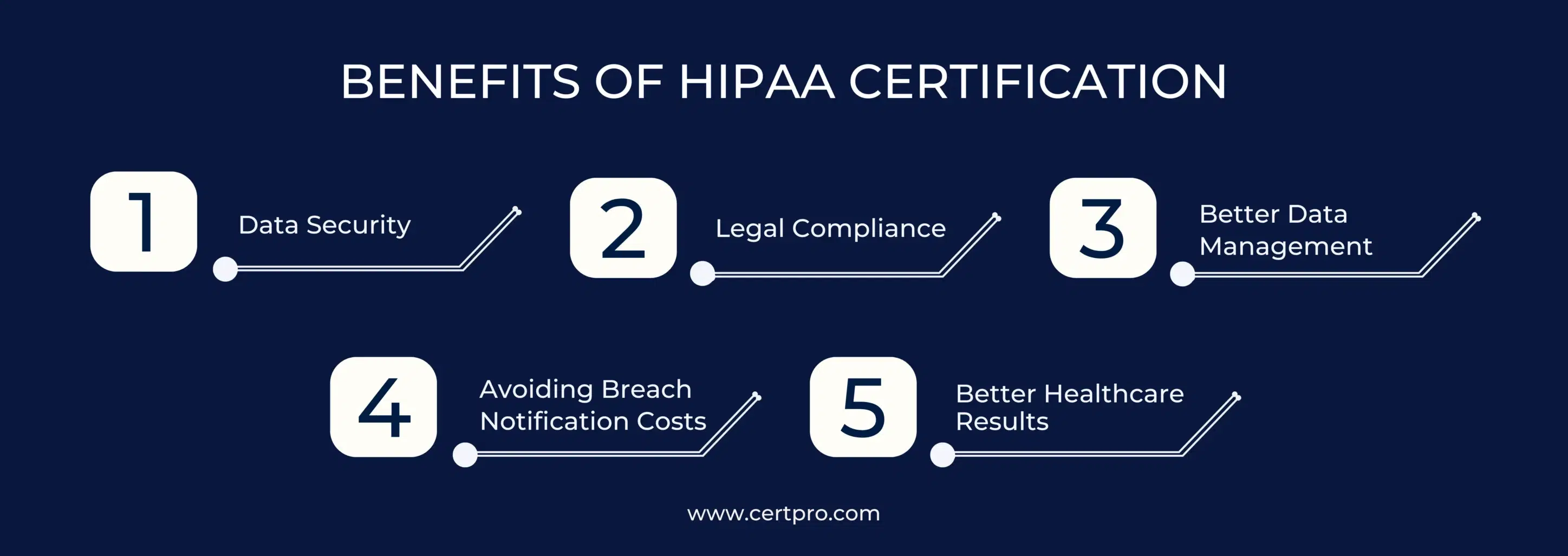
- ✓Risk Reduction Through Structured Audit Evaluation
- ✓Competitive Differentiation in Healthcare Markets
HIPAA Certification Requirements in the USA
HIPAA certification requirements in the USA are derived from the specific compliance obligations established under the Privacy Rule, Security Rule, and Breach Notification Rule, as codified in 45 CFR Parts 160 and 164. The audit scope encompasses organizational, technical, and documentation requirements that vary in specificity between required specifications (which must be implemented) and addressable specifications (which must be implemented, substituted with equivalent measures, or documented with a reasoned justification for non-implementation). The following requirements represent the core audit evaluation criteria applied in HIPAA certification engagements across covered entities and business associates.
Administrative safeguards under 45 CFR § 164.308 represent the largest and most documentation-intensive category of HIPAA Security Rule requirements. Required specifications include: (1) a comprehensive risk analysis covering all ePHI held by the organization; (2) a documented risk management plan implementing security measures to reduce identified risks to a reasonable and appropriate level; (3) a documented sanctions policy for workforce members who violate security policies; and (4) an information system activity review process examining audit logs, access reports, and security incident tracking reports. These four required specifications form the backbone of the administrative safeguard audit evaluation.
Addressable administrative safeguard specifications include workforce security procedures (authorization and supervision of workforce access to ePHI), workforce training programs conducted at hire and updated periodically when material changes to policies occur, and security reminders. The HIPAA Security Rule does not specify training frequency beyond requiring periodic retraining, but industry practice and OCR audit expectations recognize annual HIPAA training as the minimum acceptable interval. Auditors evaluate training programs for content adequacy—covering workforce members’ specific roles in handling ePHI—and documentation completeness, including attendance records and assessment results for each training session conducted.
Contingency planning requirements under 45 CFR § 164.308(a)(7) mandate data backup plans, disaster recovery plans, emergency mode operation plans, testing and revision procedures, and applications and data criticality analysis. Auditors evaluate whether contingency plans address all ePHI systems, whether backup and recovery procedures have been tested within a reasonable period (typically annually), and whether emergency mode operation procedures ensure continued access to ePHI necessary for patient care during system outages. Organizations frequently demonstrate gaps in contingency planning documentation during initial certification audits, making this a high-priority remediation focus area.
Physical safeguards under 45 CFR § 164.310 address the physical security of facilities and equipment containing ePHI. Required specifications include facility access controls—policies and procedures to limit physical access to electronic information systems while ensuring properly authorized access is allowed. Addressable physical safeguard specifications include contingency operations procedures ensuring access to facilities housing ePHI during emergency circumstances, facility security plans documenting controls protecting against unauthorized physical access, access control and validation procedures verifying authorization of individuals accessing facilities based on their role, and maintenance records documenting physical component repairs and modifications.
Workstation use and workstation security requirements under 45 CFR § 164.310(b) and (c) are required specifications mandating policies specifying the proper functions performed on workstations, the manner in which those functions are performed, and physical safeguards preventing unauthorized access to workstations accessing ePHI. Device and media controls under 45 CFR § 164.310(d) include required disposal procedures (final disposition of ePHI and hardware containing ePHI) and media re-use procedures (removal of ePHI from electronic media before reuse). Auditors examine evidence of media sanitization protocols, equipment disposal records, and inventory tracking systems for devices and media containing ePHI.
Technical safeguards under 45 CFR § 164.312 address the technology and policy frameworks used to protect ePHI and control access to it. Required technical specifications include: (1) unique user identification requiring assignment of a unique name or number for identifying and tracking user identity; (2) emergency access procedures for obtaining necessary ePHI during emergency situations; (3) automatic logoff terminating electronic sessions after a predetermined period of inactivity; and (4) encryption and decryption of ePHI (addressable specification). Auditors evaluate encryption implementations against NIST guidelines, specifically assessing whether ePHI at rest and in transit is encrypted using current industry-standard algorithms (AES-256 for data at rest; TLS 1.2 or 1.3 for data in transit).
Audit controls under 45 CFR § 164.312(b) are a required specification mandating hardware, software, and procedural mechanisms that record and examine activity in information systems containing or using ePHI. Auditors evaluate audit log configurations, log retention periods (OCR guidance indicates a minimum 6-year retention period for HIPAA documentation, though audit logs should be retained for as long as the ePHI exists), and log review processes. Integrity controls (45 CFR § 164.312(c)) require mechanisms to authenticate ePHI, ensuring it has not been altered or destroyed in an unauthorized manner. Transmission security (45 CFR § 164.312(e)) requires technical security measures preventing unauthorized access to ePHI transmitted over electronic communications networks.
HIPAA documentation requirements under 45 CFR § 164.316 mandate that covered entities and business associates maintain written documentation of all policies and procedures required by the Security Rule, retain documentation for a minimum of six years from the date of its creation or the date when it was last in effect (whichever is later), and make documentation available to those responsible for implementing the procedures it describes. Auditors evaluate documentation completeness, currency (policies must reflect current practices and be updated following operational changes), and accessibility to relevant workforce members.
Privacy Rule documentation requirements under 45 CFR § 164.520 include Notice of Privacy Practices (NPP) that must be provided to patients at first service delivery, posted in facilities, and available on organizational websites. Business Associate Agreement documentation is a critical Privacy Rule and Security Rule audit artifact—auditors verify that BAAs exist for all business associate relationships involving PHI, contain all required elements specified in 45 CFR § 164.308(b) and § 164.314, and have been executed by authorized parties. Missing or inadequate BAAs represent one of the most frequently cited HIPAA violations in OCR enforcement actions, making BAA inventory and review a primary audit focus area.

- ✓Administrative Safeguard Requirements
- ✓Physical Safeguard Requirements
- ✓Technical Safeguard Requirements
- ✓Documentation and Policy Requirements
HIPAA Certification Process in the USA
The HIPAA certification process in the USA follows a structured audit methodology applied by a Licensed CPA Firm to evaluate an organization’s compliance with HIPAA’s defined requirements. The process is systematic, evidence-based, and produces a formal attestation document upon completion. The following stages describe the standard HIPAA certification audit process, from initial scope determination through attestation issuance and recertification planning. Each stage involves specific evaluation activities, documentation reviews, and control testing procedures conducted by qualified auditors.
The HIPAA certification process begins with a formal scope definition exercise in which the auditor and organization jointly identify the full inventory of ePHI systems, data flows, workforce categories, and business associate relationships subject to HIPAA regulation. Scope definition determines which HIPAA rules apply to the organization (Privacy Rule, Security Rule, Breach Notification Rule), which locations and systems fall within the audit boundary, and which organizational units handle PHI or ePHI as part of their operational functions. An accurate and comprehensive scope is essential—scope limitations that exclude relevant systems or data flows produce an attestation of limited value and leave regulatory gaps unaddressed.
The audit program determination stage establishes the specific audit procedures, sampling methodologies, documentation request lists, and interview schedules that will be applied during the audit engagement. The Licensed CPA Firm conducting the audit designs the audit program based on the organization’s size, complexity, operating environment, and the applicable HIPAA requirements within scope. For technology organizations functioning as business associates, the audit program emphasizes Security Rule technical safeguards and BAA documentation. For covered entities such as hospitals or health plans, the audit program encompasses both Privacy Rule and Security Rule requirements, with additional focus on patient rights procedures and breach notification protocols.
The documentation review stage involves systematic examination of the organization’s written policies and procedures, security documentation, training records, BAA inventory, risk analysis reports, risk management plans, and incident response records. Auditors assess documentation completeness against the full catalog of HIPAA Security Rule required and addressable specifications, Privacy Rule requirements, and Breach Notification Rule obligations. Documentation gaps—missing policies, outdated procedures, absent risk analysis documentation, or unexecuted BAAs—are recorded as preliminary findings requiring response from management.
Evidence collection activities include structured interviews with key personnel (Security Officer, Privacy Officer, IT administrators, workforce training coordinators, and relevant department heads), observation of physical security controls, and technical testing of system configurations. Workforce interviews evaluate the practical implementation of documented policies—assessing whether training content translates into operational behavior, whether access control procedures are consistently applied, and whether incident response protocols are understood and executable by responsible personnel. The gap between documented policy and operational practice is a primary audit finding category that documentation review alone cannot identify.
Technical control testing evaluates the implementation and effectiveness of the Security Rule’s technical safeguard requirements. Auditors examine access control configurations (unique user identification, minimum necessary access principles, privileged access management), audit log implementations (completeness of logging, log retention configurations, log review procedures), encryption status for ePHI at rest and in transit, automatic session timeout configurations, and backup system integrity. Technical testing is performed against production systems within the defined audit scope, with auditors reviewing configuration settings, access provisioning records, and system-generated evidence of control operation.
Cloud service environments present specific technical evaluation considerations. Organizations using Amazon Web Services (AWS), Microsoft Azure, or Google Cloud Platform for ePHI processing must demonstrate that cloud configurations align with HIPAA technical safeguard requirements, that BAAs have been executed with cloud service providers, and that shared responsibility model obligations on the customer side have been implemented. Auditors evaluate cloud security configurations including storage encryption, network access controls, identity and access management (IAM) policies, and audit logging implementations within the cloud environment. Misconfigurations in cloud ePHI storage environments represent a leading source of healthcare data breaches in the United States.
Following the completion of documentation review, evidence collection, and technical testing, the auditor consolidates findings and identifies nonconformities—areas where the organization’s documented or implemented controls do not satisfy applicable HIPAA requirements. Nonconformities are classified by severity: major nonconformities represent significant compliance deficiencies with material regulatory risk; minor nonconformities represent specific gaps that do not individually constitute significant risk but require documented remediation. The organization receives a formal nonconformity report with the specific HIPAA requirement(s) implicated, the evidence basis for each finding, and the expected remediation timeline.
The certification decision is made by the Licensed CPA Firm following review of nonconformity responses and verification of remediation evidence. For organizations with no major nonconformities or with documented remediation of identified major nonconformities, the certification decision results in issuance of a formal attestation report. The attestation report documents the audit scope, methodology, evaluation period, findings summary, and the auditor’s professional opinion on the organization’s compliance status. This report constitutes the formal HIPAA certification artifact—the independently produced, professionally credentialed document that satisfies vendor due diligence, contract, and regulatory evidence requirements.
The HIPAA attestation report is issued by the Licensed CPA Firm upon completion of the certification decision process. The attestation document identifies the organization evaluated, the HIPAA rules within scope, the audit period, the audit methodology applied, significant findings and their disposition, and the auditor’s professional conclusion regarding compliance status. The attestation report is a time-bounded document—it reflects compliance status during the audit period and does not represent a permanent or ongoing compliance guarantee. Organizations typically maintain HIPAA certification currency through annual recertification audits, ensuring that the attestation record remains current and reflective of the organization’s evolving operational environment.
Recertification planning involves establishing a surveillance and monitoring framework between annual certification audits to maintain continuous compliance posture. This framework includes scheduled policy reviews, workforce training updates, BAA renewal tracking, system change management documentation, and security incident logging. Organizations with mature HIPAA compliance programs integrate recertification activities into their standard operational calendar, treating HIPAA compliance as an ongoing operational discipline rather than a periodic project. This operational integration produces more consistent audit outcomes and reduces the remediation burden during recertification engagements.

- ✓Stage 1: Scope Definition and Audit Program Determination
- ✓Stage 2: Documentation Review and Evidence Collection
- ✓Stage 3: Technical Control Testing and System Evaluation
- ✓Stage 4: Nonconformity Review and Certification Decision
- ✓Stage 5: Attestation Issuance and Recertification Planning
Steps for Obtaining HIPAA Certification in the USA
The following steps outline the structured pathway for obtaining HIPAA certification in the USA through a Licensed CPA Firm audit engagement. Each step represents a defined phase with specific inputs, activities, and deliverables that collectively produce the formal attestation of HIPAA compliance status. Organizations pursuing HIPAA certification should plan for a typical engagement duration of 8 to 16 weeks, depending on organizational size, operational complexity, and the current state of documented compliance infrastructure.
- Determine applicability: Confirm the organization’s status as a covered entity or business associate under HIPAA, identify all PHI and ePHI systems within scope, and document the organizational units and workforce categories subject to HIPAA requirements
- Engage a Licensed CPA Firm: Select a qualified HIPAA certification auditor with demonstrated experience evaluating organizations in the same industry sector and of comparable operational complexity
- Define the audit scope: Collaborate with the auditor to establish the formal audit boundary, including systems, locations, data flows, and applicable HIPAA rules to be evaluated
- Compile documentation: Assemble all written policies, procedures, training records, risk analysis reports, BAA inventories, incident response records, and technical configuration documentation required for audit review
- Complete the Stage 1 audit: Provide the auditor with requested documentation, participate in structured interviews, and facilitate observation of physical security controls within the audit scope
- Complete technical control testing: Grant auditors access to review system configurations, access control records, encryption implementations, and audit log setups across all in-scope ePHI systems
- Review and respond to preliminary findings: Evaluate the auditor’s preliminary nonconformity findings, develop remediation plans for identified gaps, and provide documented evidence of completed remediations
- Receive certification decision: Upon successful remediation of major nonconformities, receive the formal certification decision and review the draft attestation report for accuracy before final issuance
- Receive and distribute the attestation report: Obtain the final signed attestation report from the Licensed CPA Firm and distribute it to clients, partners, and procurement teams as required by contractual or regulatory obligations
- Establish a recertification program: Implement ongoing compliance monitoring activities, schedule annual recertification audit engagements, and integrate HIPAA documentation maintenance into standard operational workflows
HIPAA Certification Cost in the USA
HIPAA certification cost in the USA varies based on several determinative factors that auditors assess during the engagement scoping process. The primary cost drivers are organizational size (number of workforce members and facilities), the volume and complexity of ePHI systems within scope, the geographic distribution of operations, the current state of documented compliance infrastructure, and the specific HIPAA rules included in the audit scope. Organizations undergoing HIPAA certification for the first time typically incur higher engagement costs than organizations pursuing recertification, reflecting the additional audit effort required to evaluate a compliance program without an established baseline.
| Organization Type | Estimated Audit Scope Complexity | Typical Duration | Primary Cost Factors |
|---|---|---|---|
| Small business associate (1–50 employees) | Low to moderate | 6–10 weeks | ePHI system count, BAA inventory complexity |
| Mid-size healthcare provider (51–500 employees) | Moderate to high | 10–16 weeks | Number of facilities, EHR system complexity, workforce training documentation |
| Large health plan or hospital system (500+ employees) | High to very high | 16–24 weeks | Geographic scope, system complexity, multiple covered entity functions |
| SaaS / health IT vendor | Moderate | 8–12 weeks | Cloud configuration scope, API integrations handling ePHI, BAA volume |
| Healthcare clearinghouse | Moderate to high | 10–14 weeks | Transaction processing volume, data transformation system complexity |
For small to mid-size business associates—technology vendors, SaaS platforms, and specialty service providers handling ePHI—HIPAA certification audit costs are generally more predictable because the scope is concentrated around Security Rule technical safeguards and BAA documentation rather than the full breadth of Privacy Rule patient rights requirements. Covered entities, particularly hospitals, health plans, and multi-site healthcare provider organizations, typically incur higher audit costs reflecting the broader scope of applicable requirements and the complexity of evaluating patient rights procedures, workforce training programs across multiple locations, and contingency planning documentation for multiple ePHI systems.
Investing in HIPAA certification must be evaluated against the cost of non-compliance. A single OCR enforcement settlement can range from $50,000 to over $5 million, with the largest settlements—including a $5.1 million settlement with Advocate Health Care in 2016 and a $6.85 million settlement with Premera Blue Cross in 2020—representing the consequence of systemic compliance program failures. Cyber liability insurance underwriters increasingly require HIPAA certification audit evidence as a condition of coverage or as a criterion for premium reduction, creating a direct financial benefit that partially offsets certification engagement costs. Organizations should factor these avoided costs and insurance benefits into the total value calculation when assessing HIPAA certification investment decisions.
HIPAA Certification for Healthcare Providers in the USA
Healthcare providers in the USA—including hospitals, physician practices, dental offices, pharmacies, mental health providers, home health agencies, and clinical laboratories—are covered entities subject to the full scope of HIPAA Privacy Rule and Security Rule requirements. HIPAA certification for healthcare providers addresses the specific compliance obligations arising from direct patient care delivery, including patient access rights, Notice of Privacy Practices distribution, minimum necessary use standards for clinical information, and the technical security requirements for EHR systems, clinical workstations, and medical device integrations that process ePHI.
Electronic health record systems used by healthcare providers represent a primary ePHI system category within HIPAA certification audit scopes. Auditors evaluate EHR access control configurations, audit log review procedures, encryption status for data at rest and in transit, and integration security for laboratory result feeds, radiology systems, pharmacy management systems, and patient portal interfaces. Medical devices that transmit or receive ePHI—including infusion pumps with network connectivity, implantable cardiac monitors, and patient monitoring systems—fall within the HIPAA Security Rule scope and require evaluation of their security configurations and network isolation controls.
Telehealth services, which expanded dramatically following CMS waivers during the COVID-19 public health emergency and remain in expanded availability under permanent regulatory changes, create specific HIPAA compliance considerations for healthcare providers. Video conferencing platforms used for telehealth must operate under a BAA with the healthcare provider, and the platform’s security configuration must satisfy HIPAA technical safeguard requirements. HIPAA certification audits for telehealth-enabled healthcare providers specifically evaluate the BAA status of telehealth platforms, the security configuration of patient communication systems, and the adequacy of workforce training regarding telehealth-specific PHI handling requirements.
HIPAA Compliance for Health Plans and Health Insurance Issuers
Health plans in the USA—including commercial health insurers, Medicare Advantage organizations, Medicaid managed care organizations, employer-sponsored group health plans, and health insurance marketplaces—are covered entities subject to HIPAA’s full compliance framework. Health plan HIPAA certification engagements encompass the Privacy Rule’s restrictions on PHI use for underwriting and eligibility determination, the Security Rule’s requirements for claims processing systems and member portal platforms, and the Breach Notification Rule’s obligations for member notification following PHI incidents. The scale and technical complexity of health plan IT environments typically result in multi-phase HIPAA certification audit engagements.
Employer-sponsored group health plans present a distinct HIPAA compliance scenario. While large self-insured employer health plans are covered entities under HIPAA, the employer organization itself is not—creating a compliance boundary that must be carefully defined in the certification audit scope. Auditors evaluate the plan document amendments required by HIPAA, the separation of PHI from employment records, the scope of permitted employer access to PHI, and the BAA arrangements with third-party administrators and pharmacy benefit managers. Small employer health plans administered entirely by insurance issuers may rely on the insurer’s HIPAA certification rather than maintaining an independent certification, an arrangement that must be explicitly verified through BAA and administrative services documentation.
HIPAA Certification for Healthcare Technology and SaaS Platforms
Healthcare technology companies and SaaS platform providers represent the fastest-growing segment of HIPAA certification demand in the USA. These organizations function as business associates to covered entity clients and face direct HIPAA liability under the Omnibus Rule for any breaches of PHI occurring within their systems. HIPAA certification for technology organizations focuses primarily on the Security Rule’s technical safeguards, with particular emphasis on cloud security architecture, API security for ePHI data exchanges, access management systems, encryption implementations, and security incident detection capabilities.
SaaS platforms that process ePHI—including EHR platforms, practice management systems, patient engagement platforms, revenue cycle management solutions, healthcare analytics platforms, and clinical communication tools—must maintain HIPAA Security Rule compliance across their multi-tenant cloud environments. Auditors evaluate tenant data isolation controls, role-based access control implementations, encryption key management practices, and subprocessor BAA arrangements. The shared infrastructure model of SaaS environments creates specific audit evaluation challenges: auditors must assess whether security controls apply equally across all tenant instances and whether configuration drift in multi-tenant environments could create ePHI exposure for specific customers.
HIPAA Compliance for Fintech and Healthcare Payments Platforms
Financial technology companies operating in the healthcare payments space occupy a unique regulatory intersection between HIPAA compliance and financial services regulations including PCI DSS and the Gramm-Leach-Bliley Act. Healthcare payment processors, HSA administrators, health insurance premium payment platforms, and benefits fintech companies that access or transmit PHI in connection with payment processing activities are business associates subject to HIPAA Security Rule requirements for any ePHI handled in the payment workflow. HIPAA certification USA financial services engagements require auditors with cross-disciplinary expertise in both healthcare data protection standards and financial services regulatory frameworks.
Healthcare explanation of benefits (EOB) documents, remittance advice transactions, and eligibility verification responses all contain PHI as defined by HIPAA and are subject to Security Rule requirements when transmitted electronically. Fintech platforms processing these transaction types must implement technical safeguards equivalent to those required of traditional healthcare IT systems—a requirement that many financial services technology companies only recognize when their covered entity clients request BAA execution as a contract condition. HIPAA certification for fintech organizations provides the compliance documentation necessary to execute BAAs with health plan and healthcare provider clients and enter the regulated healthcare technology marketplace.
HIPAA Certification by CertPro for Organizations in the USA
CertPro conducts HIPAA certification audits in the USA as a Licensed CPA Firm, providing independent, audit-based evaluations of covered entities and business associates against the requirements of the Health Insurance Portability and Accountability Act. CertPro’s HIPAA certification audit methodology is designed to produce formally credentialed attestation reports that satisfy vendor due diligence requirements, BAA evidence standards, and OCR enforcement documentation expectations. The audit scope encompasses the Privacy Rule, Security Rule, and Breach Notification Rule requirements applicable to the organization’s specific covered entity or business associate classification.
CertPro’s HIPAA audit engagements are conducted by credentialed auditors with specialized expertise in healthcare data protection standards, cloud security architecture relevant to ePHI environments, and the regulatory expectations established by OCR enforcement precedent. CertPro’s audit program applies structured evaluation procedures across all HIPAA Security Rule required and addressable specifications, systematically assessing documentation completeness, control implementation, technical configuration, and workforce practice alignment with documented policies. The resulting attestation report reflects an objective, independently formed professional opinion on the organization’s HIPAA compliance posture during the audit period.
CertPro serves healthcare providers, health plans, healthcare clearinghouses, health IT vendors, SaaS platforms, telehealth providers, healthcare analytics firms, and fintech organizations operating in the U.S. healthcare payments and benefits space. CertPro’s HIPAA certification engagements are structured to provide organizations with actionable nonconformity findings, clear attestation documentation, and a defined recertification framework—delivering a formally credentialed compliance record that supports ongoing commercial and regulatory requirements across the U.S. healthcare ecosystem.
FAQ
▶
What is HIPAA certification and is it required by law in the USA?
▶
Who needs HIPAA certification in the USA?
▶
How long does the HIPAA certification audit process take in the USA?
▶
What documentation is required for HIPAA certification in the USA?
▶
What is the difference between HIPAA Privacy Rule and HIPAA Security Rule compliance?
▶
How often must HIPAA certification be renewed in the USA?
▶
Does HIPAA certification cover state health privacy laws in the USA?
▶
What are the consequences of HIPAA non-compliance for U.S. organizations?

HIPAA UPDATES 2026: KEY REGULATORY CHANGES, NEW RULES, AND COMPLIANCE IMPACT EXPLAINED
Healthcare data breaches continue to rise, and the pattern is clear. Attackers target patient records because they carry long-term value. At the same …

Why is HIPAA Important to Patients
LAST UPDATE — 10-01-2025 The Health Insurance Portability and Accountability Act, also known as HIPAA, is crucial for patients because it safeguards t…

WHAT IS THE HIPAA OMNIBUS RULE
In the U.S. healthcare sector, sensitive medical records are often subjected to cyberattacks like data breaches and ransomware. For example, recently …
Get In Touch
have a question? let us get back to you.