Globally, the startup ecosystem is growing in a rapid manner. Yet, not every startup is achieving long-term growth and success. In the current business world, several small businesses are facing challenges. These include non-regulatory legal fines and business disruptions. They either shut down their business or pay hefty fines due to regulatory scrutiny. Most often, these failures correspond to their non-compliant business culture. This is why compliance for startups is mandatory in the contemporary regulatory landscape.
In general, compliance is the process of following certain standards and regulations set forth by international agencies and regulatory bodies. Furthermore, these standards vary with respect to your industry and geographical location. Compliance means following the laws, rules, and guidelines set by government and industry authorities. These rules are different based on the type of business and where it is located. For example, rules like SOC 2, ISO 27001, and GDPR focus on keeping data safe and private. Following these rules helps businesses avoid mistakes, reduce risks, stay out of legal trouble, and earn the trust of customers. It also helps companies build brand reputation and run more smoothly. No matter how big or small a business is, it should take compliance seriously. In 2026, adhering to regulatory requirements is even more important for startups. Because rules are getting more complex and businesses are more connected across the world.
Tl; DR:
Concern: In the age of a complex regulatory environment, startups often fail to prioritize their need to ensure a comprehensive compliance program. But startup compliance is the foundation of long-term success and sustainable growth.
Overview: Compliance is a resource-intensive process. Therefore, startup companies find challenges to achieve. But non-compliance often leads to legal penalties, business disruptions and loss of reputation.
Solution: Following a robust compliance program with a proper plan and commitment is required. Startups should invest and be involved in this strategic process. Thereby, they can ensure regulatory adherence and build a reputation among customers and clients.

WHY STARTUPS NEED COMPLIANCE IN 2026
Even though startups are budding businesses with minimal resources, they can’t neglect the fact that they should comply with certain compliance legal requirements and regulatory obligations. However, neglecting these legal requirements will lead to consequences such as legal penalties, loss of investor confidence, and security breaches. Also, currently most startups are cloud-based and engaged in data-driven businesses. Thus, it’s their moral duty to ensure that their business operations and associated assets are safe and free from threats.
Additionally, in this era of business interdependence, compliance for small companies helps them gain an edge in growth opportunities. For instance, most MNCs and corporates expect their third-party vendors (startups) to follow a secure governance framework.
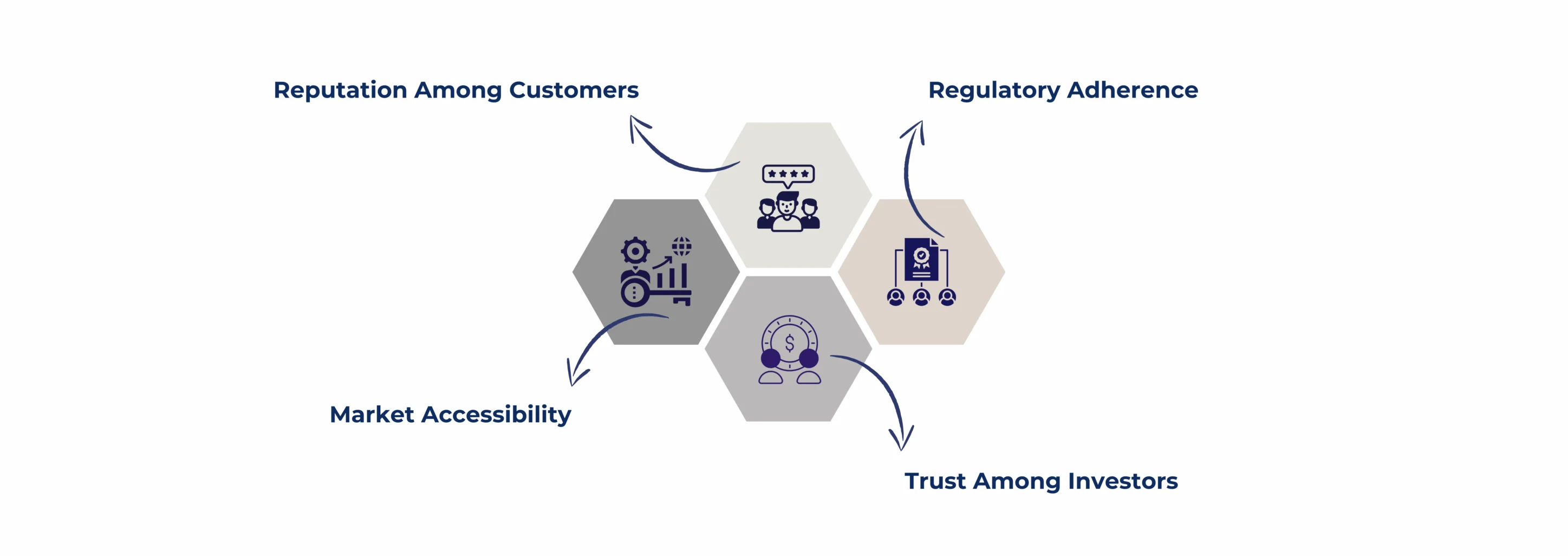
Some of the key factors reinforcing the significance of compliance for startups are as follows:
Regulatory Adherence: The regulatory landscape is becoming more strict and complex for startups. Further, regulators are not providing any excuse for these small companies for being non-compliant in their early stages. Moreover, non-compliance can be disastrous for these businesses if faced with legal cases and hefty fines.
Trust Among Investors: Potential investments and funding are important for startups. Also, most investors and venture capitalists check for robust compliance credentials in organizations they wish to fund. Therefore, it is essential for startups to establish a comprehensive compliance program to reduce investment risks.
Reputation Among Customers: Compliance for startups helps in ensuring data protection and privacy in their business. Thereby earning a reputation among the customers and clients. Given the surge in alarming cyber threats and regulations, comprehensive compliance measures are crucial to demonstrate their commitment to protecting customer data.
Market Accessibility: Compliance for startups provides them with a competitive advantage in accessing the markets and potential business opportunities. Thus, startups need to build a strong compliance foundation right from the beginning stage.
MOST COMMON FRAMEWORKS IN COMPLIANCE FOR STARTUPS
Here below we are discussing the 6 common compliance frameworks relevant to the startups
1. Data Security and Privacy-Related Compliance for Startups:
In the age of rigid data protection laws, data privacy compliance is important for startups. E.g., GDPR, SOC 2, ISO 27001, and CCPA.
2. GDPR (General Data Protection Regulations): It is the EU’s comprehensive data protection law. It is mandatory for startups to process the European Union’s resident data, regardless of where the organization is located. It works on the core principles of lawfulness, fairness and transparency.
3. SOC 2 (System and Organization Controls 2): The American Institute of Certified Public Accountants (AICPA) established this security compliance framework. It evaluates how safely organizations manage and process customer data based on specific trust services criteria: security, availability, processing integrity, confidentiality, and privacy. Startups dealing with data and cloud-based applications should consider SOC 2.
4. CCPA (California Consumer Protection Act): Often called California’s GDPR, it is a comprehensive data protection law for safeguarding California residents. It provides the residents with significant control over their data and personal information.
5. ISO 27001: The International Standardization Organization (ISO) established it. It serves as a comprehensive framework for Information Security Management Systems (ISMS). Startups focusing on protecting their information assets should consider implementing ISO 27001 frameworks.
Industry-specific Compliance for Startups:
1. PCI DSS (Payment Card Industry Data Security Standard): It is a set of security frameworks that organizations handling cardholder data and information must adhere to. Therefore, financial startups dealing with payment processes and credit card information should comply with PCI DSS and KYC (Know Your Customer) requirements.
2. HIPAA (Health Insurance Portability and Accountability Act): It’s a federal law enacted to protect patients’ sensitive information. Startups dealing with protected health information should ensure their compliance with HIPAA regulations.
BEST PRACTICES FOR COMPLIANCE-FOCUSED STARTUPS
The strategic importance of compliance for startups in the current business world is growing manifold. As a result, startups should follow some of the best practices to achieve it.
Commitment: The founders of the startup should demonstrate a visible commitment to compliance culture. They should establish a clear governance structure and make compliance programs an integral part of their business from the beginning stage. This commitment can be seen in the allocation of resources and making swift decisions in their compliance journey.
Documentation: Startups should follow effective documentation and policy management. Accordingly, clear policies and procedures should be developed to address the key regulatory requirements and business risks. Regular reviews and updates are necessary to meet the evolving compliance legal requirements.
Technology: Startups should embrace emerging tools and technologies to thrive in modern compliance management. In particular, they should leverage compliance automation tools to automate routine tasks, maintain documentation, and monitor their ongoing compliance activities.
Training: Employee training and awareness are significant in compliance programs. Therefore, startups should conduct regular training sessions for their employees. This further ensures that they are aware of their responsibilities in maintaining regulatory standards.
Third-party Management: As startups rely more on vendors and partners, it is essential to follow an effective third-party risk management plan. Therefore, it is important that startups practice thorough due diligence before engaging with third parties.
COMPLIANCE FOR STARTUPS-RELATED CHALLENGES
Given the rapidly evolving business landscape, compliance for small companies is a daunting task. They are faced with unique challenges that impact their business growth and operational effectiveness. In particular, they find it hard to balance their innovation and market expansion with rigid compliance legal requirements. Now, let’s discuss a few challenges faced by startups.
Complex Frameworks: One of the primary challenges in compliance for startups is the complexity of regulatory frameworks across different regions. With businesses expanding globally, they need to navigate the various compliance requirements and data-protection laws. Therefore, startups operating in heavily regulated industries like finance and healthcare are finding it challenging to comply with them.
Resource Constraints: Another major challenge is the lack of resources. To clarify, startups often work with limited budgets and funds, making it difficult to allocate sufficient resources to compliance initiatives. The costs of establishing a compliance program for startups are high while they simultaneously invest in business operations.
Expertise: In addition, lack of expertise is also a major challenge for these startups. For instance, large corporations have the privilege of a well-established compliance team and external consultants. However, these startups often struggle to get expert guidance and advice on compliance programs.
COMPLIANCE FOR STARTUPS – THE FUTURE TRENDS
In the future, emerging small companies should focus on building startups that are not only durable on the business front. But they should also focus on building effective governance for all its business operations. To add on, a comprehensive compliance program will ensure ethical practices, thereby upholding their business integrity.
With evolving compliance regulations, startups must embrace the following trends to stay ahead of the market.
- AI and machine learning
- Blockchain technology
- CaaS
Artificial intelligence and machine learning are transforming the compliance management of startups. The AI-powered compliance systems possess automation and predictive capabilities. Further, this helps in analyzing vast amounts of data and predicting potential risks and compliance violations before they escalate.
The integration of blockchain technology in compliance programs is enhancing the documentation and verification process. Its ability to maintain tamper-proof digital record systems eases the process of regulatory adherence. Moreover, its smart contract capability (the ability to automate and execute a process that is agreed upon outside the chain) is automating the compliance process and safeguarding business transactions. This includes processes such as KYC and anti-money laundering.
CaaS (Compliance as a Service) is a great option for startups looking to achieve their compliance legal requirements. They can collaborate with firms offering CaaS services to get access to advanced compliance tools and expert guidance. Further, CaaS providers offer flexible, industry-specific solutions to address the startup’s regulatory requirements.
CONCLUSION
To conclude, comprehensive compliance for startups will ensure their reputation and business growth. Further, it also showcases their commitment to data security and customer trust. By following ethical business practices, startups also demonstrate their business integrity and benefits to society at large.
Not only that, choosing the right partner is also crucial in compliance for startups. Here comes CertPro as your right partner for comprehensive compliance management. With a team of dedicated experts and top-notch services, we offer startups scalable and cost-efficient compliance services.
FAQ
What is a startup compliance checklist?
A startup compliance checklist is a list of legal and regulatory requirements that businesses must implement and follow. This ensures their adherence to international standards and regulations.
What are the risks of non-compliance for startups?
Non-compliance can lead to legal penalties, reputational damage, financial losses, and loss of business opportunities, which can harm a startup’s growth.
What is the role of a compliance officer in a startup?
A compliance officer ensures that the startup adheres to all relevant regulations, develops compliance policies, and trains employees on legal and ethical standards.
Why is regulatory compliance important for startups?
Regulatory compliance is essential for startups to build trust with customers, avoid legal issues, protect their reputation, and ensure long-term business success.
How often should a startup update its compliance checklist?
A startup should update its compliance checklist regularly, especially when there are changes in laws or regulations that affect its industry or operations.

About the Author
Abhijith Rajesh
Abhijith Rajesh is an Executive Team Lead at CertPro, specializing in ISO 27001, SOC2, GDPR, and other Information Security Compliance standards. He leads a dedicated team, ensuring the delivery of top-tier information security solutions. Abhijith excels in managing projects, optimizing security frameworks, and guiding clients through the complexities of the ever-evolving threat landscape.