
HIPAA Certification in Los Angeles
CertPro is a Licensed CPA Firm conducting HIPAA certification audits for covered entities and business associates across Los Angeles. Audit evaluations assess conformance with the HIPAA Privacy Rule, Security Rule, and Breach Notification Rule. Engagements are scoped for organizations in healthcare, health tech, biotech, medtech, fintech, and related industries operating within LA County and Greater Southern California.
OUR CLIENTS










Introduction to HIPAA Certification in Los Angeles
HIPAA certification in Los Angeles is a formal attestation process by which a Licensed CPA Firm evaluates whether a covered entity or business associate has implemented and maintains controls that conform to the Health Insurance Portability and Accountability Act of 1996 and its subsequent regulatory amendments. The certification audit examines an organization’s documented policies, technical safeguards, administrative controls, and physical security measures against the standards defined in the HIPAA Privacy Rule (45 CFR Part 164, Subpart E), the Security Rule (45 CFR Part 164, Subpart C), and the Breach Notification Rule (45 CFR Part 164, Subpart D).
Los Angeles is one of the most densely concentrated healthcare markets in the United States. The greater LA County region hosts more than 100 acute care hospitals, thousands of physician practices, numerous health insurance carriers, and a rapidly expanding health technology sector centered in communities such as Culver City, Santa Monica, El Segundo, and downtown Los Angeles. This concentration creates a substantial volume of protected health information (PHI) and electronic protected health information (ePHI) that must be managed in strict conformance with federal HIPAA standards. Organizations that fail to demonstrate compliant PHI handling practices face civil monetary penalties ranging from $100 to $50,000 per violation, with annual caps reaching $1.9 million per violation category.
What Is HIPAA and Why Does It Apply to Los Angeles Organizations?
The Health Insurance Portability and Accountability Act (HIPAA) was enacted by the United States Congress in 1996 to establish national standards for the protection of sensitive patient health information. HIPAA applies to two primary categories of entities: covered entities, which include health plans, healthcare clearinghouses, and healthcare providers that transmit health information electronically; and business associates, which are vendors, contractors, or subcontractors that create, receive, maintain, or transmit PHI on behalf of covered entities. The HIPAA Omnibus Rule of 2013 significantly expanded the direct liability of business associates, making HIPAA compliance an obligation for a broad range of technology companies, billing services, and data analytics firms operating in the Los Angeles market.
In Los Angeles, HIPAA applies to a diverse range of organizations beyond traditional hospitals and clinics. Health tech startups developing mobile health applications, medtech companies designing wearable devices that collect biometric data, biotech firms conducting clinical trials, fintech companies processing medical payment transactions, and cloud service providers storing ePHI in data centers are all subject to HIPAA requirements if they handle PHI in the course of providing services to covered entities. The California Department of Public Health and the U.S. Department of Health and Human Services (HHS) Office for Civil Rights (OCR) actively investigate complaints and conduct audits of Los Angeles-area organizations, making HIPAA certification an important risk management and operational credibility tool.
HIPAA Certification Versus HIPAA Compliance: Key Distinctions
HIPAA certification and HIPAA compliance are related but distinct concepts. HIPAA compliance refers to the ongoing operational state of conforming to HIPAA requirements — implementing the right policies, training staff, maintaining security controls, and responding to incidents appropriately. HIPAA certification, by contrast, is a formal third-party evaluation conducted by a qualified auditing firm that produces documented attestation of an organization’s compliance posture at a specific point in time or over a defined review period. The HHS Office for Civil Rights does not issue HIPAA certifications itself, meaning that third-party certification from a Licensed CPA Firm such as CertPro constitutes the recognized market standard for demonstrating HIPAA conformance to business partners, regulators, and healthcare system procurement committees in Los Angeles.
Organizations in Los Angeles that have undergone HIPAA certification audits are better positioned to respond to HHS OCR desk audits and investigations because their compliance documentation is structured, current, and independently validated. This distinction is particularly important for business associates in the health tech and fintech sectors, where large hospital systems and health insurance carriers increasingly require third-party HIPAA certification as a condition of contract execution. HIPAA certification differs from self-attestation in that it involves an independent auditor reviewing evidence, testing controls, and issuing a formal report — rather than an organization simply declaring its own compliance status without external verification.
The Three HIPAA Rules Evaluated in a Certification Audit
A comprehensive HIPAA certification audit in Los Angeles evaluates conformance with three primary regulatory rules. The HIPAA Privacy Rule establishes national standards for the protection of individuals’ medical records and other individually identifiable health information, defining who may access PHI, under what circumstances PHI may be used or disclosed, and what rights patients have with respect to their health data. The Privacy Rule applies to covered entities and, through the Omnibus Rule, to business associates that handle PHI. Audit procedures under the Privacy Rule include examination of Notice of Privacy Practices documents, access authorization records, patient rights request logs, and minimum necessary use policies.
The HIPAA Security Rule establishes specific safeguards for electronic protected health information (ePHI). It requires covered entities and business associates to implement administrative safeguards (such as security management processes, workforce training, and contingency planning), physical safeguards (such as facility access controls and workstation security), and technical safeguards (such as access controls, audit controls, integrity controls, and transmission security). The Security Rule audit procedures assess risk analysis documentation, security incident response procedures, encryption practices, and access management systems. The Breach Notification Rule requires covered entities to notify affected individuals, HHS, and in some cases the media, following a breach of unsecured PHI. Audit evaluations under this rule examine breach detection mechanisms, notification timelines, documentation practices, and Business Associate Agreement (BAA) provisions related to breach reporting obligations.

Why HIPAA Certification Matters for Los Angeles Healthcare and Health Tech Organizations
Los Angeles operates as a global hub for healthcare innovation, housing a unique intersection of traditional hospital systems, academic medical centers, insurance carriers, and technology-driven healthcare companies. Organizations in this environment face heightened regulatory scrutiny, sophisticated cyber threats, and demanding procurement requirements from healthcare system partners. HIPAA certification provides a structured mechanism for demonstrating to these stakeholders that an organization’s PHI handling practices have been independently evaluated and found to conform to federal standards. The practical significance of this attestation extends across vendor qualification processes, hospital system contracting, health insurance carrier partnerships, and investor due diligence reviews.
Risk Reduction and Regulatory Penalty Avoidance
HIPAA violations in Los Angeles carry significant financial and reputational consequences. The HHS Office for Civil Rights enforces HIPAA through a tiered civil monetary penalty structure. Tier 1 violations, where the covered entity was unaware of the violation, carry penalties of $100 to $50,000 per violation. Tier 2 violations, involving reasonable cause, range from $1,000 to $50,000 per violation. Tier 3 violations resulting from willful neglect that is corrected carry penalties of $10,000 to $50,000. Tier 4 violations involving willful neglect that is not corrected carry a minimum penalty of $50,000 per violation. Annual penalties for identical violations are capped at $1.9 million. Organizations that have undergone HIPAA certification audits demonstrate a documented, systematic compliance posture that directly reduces the likelihood of violations reaching the uncorrected willful neglect category.
Beyond federal penalties, California state law imposes additional obligations on healthcare organizations that intersect with HIPAA. The California Confidentiality of Medical Information Act (CMIA) and the California Consumer Privacy Act (CCPA), as amended by the California Privacy Rights Act (CPRA), create overlapping privacy obligations for Los Angeles-based organizations. While HIPAA certification does not directly certify compliance with state law, the documentation and control infrastructure established through a HIPAA certification audit provides a strong foundational framework for addressing California’s additional requirements. Organizations that treat HIPAA certification as a floor rather than a ceiling are well-positioned to navigate this layered regulatory environment.
Business Associate Qualification and Healthcare Contracting in LA
Large healthcare systems in Los Angeles — including Cedars-Sinai Medical Center, UCLA Health, USC Keck Medical Center, and Kaiser Permanente’s Southern California operations — maintain formal vendor qualification programs that include HIPAA compliance verification as a prerequisite for contract execution. For health technology companies, medical billing services, revenue cycle management firms, and data analytics providers seeking to serve these institutions, HIPAA certification from a third-party Licensed CPA Firm constitutes the most direct evidence of compliance readiness. Without independent certification, vendors face lengthy security questionnaire processes, on-site assessments, and delayed contract approvals that impose significant commercial costs.
The Business Associate Agreement (BAA) is a contractual mechanism through which covered entities formalize HIPAA obligations with vendors that access PHI. A properly executed BAA specifies the permitted uses and disclosures of PHI, requires the business associate to implement appropriate safeguards, mandates breach notification within specified timeframes, and establishes liability allocation. HIPAA certification audits include evaluation of BAA programs — assessing whether BAAs are executed with all required parties, whether BAA terms are current with post-Omnibus Rule requirements, and whether subcontractor BAA chains are maintained. For organizations in Los Angeles operating as both covered entities and business associates, BAA program management is a critical control area examined during certification audits.
Cybersecurity Threat Landscape for LA Healthcare Organizations
The HHS Office for Civil Rights breach portal, commonly known as the HIPAA Wall of Shame, consistently shows that healthcare organizations in California are among the most frequently reported entities for large-scale PHI breaches. Email-based breaches, ransomware attacks, and third-party vendor incidents account for the majority of reported events affecting 500 or more individuals. Three HIPAA-regulated entities reported separate email data breaches in 2025, compromising the protected health information of thousands of patients — a pattern that reflects the ongoing vulnerability of healthcare email systems to phishing, credential theft, and misconfigured access controls. Los Angeles organizations managing ePHI across distributed workforces, cloud environments, and mobile devices face a particularly complex attack surface that requires systematic security control documentation and testing.
HIPAA certification audits address this threat landscape by evaluating not only the existence of security policies but also the operational effectiveness of technical controls. Audit procedures assess encryption implementation for ePHI at rest and in transit, multi-factor authentication deployment, audit log maintenance and review practices, intrusion detection capabilities, and incident response plan documentation. For health tech companies in Los Angeles operating cloud-native platforms, certification audit procedures also assess cloud service provider configurations, shared responsibility model documentation, and the sufficiency of Business Associate Agreements with cloud infrastructure providers such as AWS, Microsoft Azure, and Google Cloud — all of which offer HIPAA-eligible service configurations but require contractual BAA execution and appropriate customer-side configuration to achieve compliant ePHI handling.
HIPAA Certification Requirements for Los Angeles Organizations
HIPAA certification requires Los Angeles organizations to demonstrate conformance with a defined set of administrative, physical, and technical requirements established by the HIPAA Security Rule and supported by the Privacy Rule and Breach Notification Rule. These requirements apply to all electronic systems that create, receive, maintain, or transmit ePHI, including electronic health record platforms, practice management systems, billing software, telehealth applications, cloud storage environments, and email systems used to communicate patient information. The following subsections describe the primary requirement categories evaluated during a HIPAA certification audit.
Administrative safeguards are the policies and procedures that govern how an organization manages the selection, development, implementation, and maintenance of security measures for ePHI. The HIPAA Security Rule identifies nine administrative safeguard standards: security management process, assigned security responsibility, workforce security, information access management, security awareness and training, security incident procedures, contingency planning, evaluation, and Business Associate Agreements. Each standard includes one or more implementation specifications, some of which are required and some of which are addressable — meaning the organization must either implement the specification or document an equivalent alternative measure.
The security management process standard requires organizations to implement policies and procedures to prevent, detect, contain, and correct security violations. This standard includes a required risk analysis — a comprehensive assessment of the potential risks and vulnerabilities to the confidentiality, integrity, and availability of all ePHI held by the organization. The risk analysis must be documented, thorough, and updated when significant operational or environmental changes occur. For Los Angeles organizations that have experienced mergers, acquisitions, new system deployments, or workforce expansion, the currency of the risk analysis is a primary audit focus. Annual HIPAA training is not explicitly mandated by the Security Rule as a specific frequency requirement, but the workforce training and management standard requires periodic retraining when procedures or policies change — a requirement that most auditors evaluate on an annual basis in practice.
Physical safeguards govern the physical access to systems and facilities where ePHI is created, maintained, or transmitted. The HIPAA Security Rule identifies four physical safeguard standards: facility access controls, workstation use, workstation security, and device and media controls. Facility access controls require policies and procedures that limit physical access to electronic information systems to authorized users, while ensuring that properly authorized access is allowed. For Los Angeles healthcare organizations operating in multi-tenant office buildings or shared clinical spaces, facility access control documentation must address visitor management, maintenance access procedures, and emergency access protocols.
Device and media controls address the receipt, removal, backup, and disposal of hardware and electronic media containing ePHI. This standard is particularly relevant for Los Angeles health tech companies managing large fleets of mobile devices, IoT medical devices, or portable storage media used by field-based clinical staff. Audit procedures under this standard examine whether organizations maintain hardware and media inventory records, whether data disposal procedures ensure ePHI is rendered unreadable before hardware retirement, and whether encryption is applied to portable devices. The increasing prevalence of remote work arrangements in Los Angeles’s technology sector makes workstation use and security policies — governing which workstation functions are permitted and how workstations are physically protected from unauthorized access — a consistently evaluated control area.
Technical safeguards are the technology and related policies and procedures that protect ePHI and control access to it. The HIPAA Security Rule identifies five technical safeguard standards: access controls, audit controls, integrity controls, person or entity authentication, and transmission security. Access controls require the implementation of technical policies that allow only authorized persons or software programs to access ePHI. Required specifications under access controls include unique user identification and emergency access procedures; addressable specifications include automatic logoff and encryption and decryption capabilities. Audit controls require hardware, software, or procedural mechanisms that record and examine activity in information systems that contain or use ePHI — a requirement that mandates comprehensive logging and log review practices across all ePHI-touching systems.
Transmission security requires technical security measures to guard against unauthorized access to ePHI transmitted over electronic communications networks. While encryption of ePHI in transit is classified as an addressable specification under the Security Rule, the HHS Office for Civil Rights has consistently indicated in guidance and enforcement actions that encryption is the expected implementation for internet-based transmission of ePHI, absent a documented risk-based justification for an alternative equivalent measure. For Los Angeles health tech companies transmitting ePHI between applications via APIs, web services, or cloud data pipelines, TLS 1.2 or higher is the accepted minimum standard for transmission encryption. Audit procedures under the technical safeguards standard examine network architecture diagrams, encryption configuration documentation, and evidence of ongoing vulnerability management practices.
The HIPAA Security Rule requires covered entities and business associates to maintain written (including electronic) documentation of their policies and procedures, and to retain that documentation for a minimum of six years from the date of creation or the date it was last in effect, whichever is later. This documentation requirement extends to all Security Rule policies, procedures, actions, activities, and assessments. For audit purposes, documentation must be organized, version-controlled, and accessible for examiner review. Common documentation deficiencies identified during Los Angeles HIPAA certification audits include outdated risk analysis reports that predate significant system changes, missing workforce training records, unsigned Business Associate Agreements, and security incident log gaps. Organizations that maintain comprehensive, current, and well-organized documentation materially reduce audit finding risk and demonstrate the operational maturity expected of HIPAA-certified entities.
- ✓Current, documented risk analysis covering all ePHI systems and data flows
- ✓Written information security policies and procedures addressing all Security Rule standards
- ✓Workforce HIPAA training records with completion dates and training content documentation
- ✓Executed Business Associate Agreements with all vendors and subcontractors accessing PHI
- ✓Notice of Privacy Practices document current with HIPAA Omnibus Rule requirements
- ✓Security incident response plan with documented procedures and incident log
- ✓Contingency plan addressing data backup, disaster recovery, and emergency mode operations
- ✓Access control documentation including unique user ID assignment and access authorization records
- ✓Audit log review records demonstrating ongoing monitoring of ePHI system activity
- ✓Device and media inventory with disposal and reuse documentation

- ✓Administrative Safeguard Requirements
- ✓Physical Safeguard Requirements
- ✓Technical Safeguard Requirements
- ✓Documentation and Policy Requirements
The HIPAA Certification Audit Process
The HIPAA certification audit process conducted by CertPro for Los Angeles organizations follows a structured evaluation methodology that progresses through defined stages. Each stage is designed to produce documentary evidence of an organization’s conformance with HIPAA Privacy Rule, Security Rule, and Breach Notification Rule requirements. The audit is conducted by CPA-credentialed professionals with specialized knowledge of healthcare information security and federal regulatory requirements. The following subsections describe each stage of the certification audit process in detail.
The first stage of the HIPAA certification audit process involves defining the audit scope and determining the applicable audit program. Scope definition identifies all systems, processes, locations, and workforce roles that create, receive, maintain, or transmit PHI or ePHI within the organization. For Los Angeles organizations with complex operational footprints — multiple clinical sites, distributed remote workforces, cloud-hosted applications, and third-party data processing arrangements — scope definition is a critical determinant of audit completeness and certification validity. An insufficiently scoped audit that excludes significant ePHI flows will produce a certification attestation that does not accurately reflect the organization’s full compliance posture.
Audit program determination establishes the specific HIPAA standards and implementation specifications that will be evaluated, the evidence collection procedures to be applied, and the evaluation criteria to be used in assessing conformance. The audit program is tailored to the organization’s entity type (covered entity versus business associate), industry segment (clinical provider, health plan, health tech company, etc.), operational complexity, and risk profile. For business associates in Los Angeles’s health tech or fintech sectors, the audit program focuses heavily on the Security Rule and Breach Notification Rule, with Privacy Rule evaluation scoped to the specific PHI use and disclosure activities authorized under applicable BAAs. Covered entities receive a full three-rule audit program encompassing Privacy Rule, Security Rule, and Breach Notification Rule requirements.
Stage 1 of the formal audit involves a comprehensive review of the organization’s HIPAA compliance documentation. Auditors examine all written policies and procedures, risk analysis reports, training records, BAA libraries, system configuration documentation, and incident response logs. The purpose of the Stage 1 documentation review is to assess whether the organization has established a documented compliance framework that addresses all applicable HIPAA requirements and to identify any areas where documentation is absent, incomplete, or outdated. Stage 1 findings are communicated to the organization prior to Stage 2 audit execution, allowing for documentation remediation where identified gaps are addressable within the audit timeline.
During Stage 1, auditors also conduct a system inventory walkthrough, reviewing the organization’s documentation of all systems that process ePHI and comparing this documentation against the defined audit scope. Data flow diagrams, network architecture documentation, and cloud service inventory records are examined to verify that all significant ePHI processing environments are included in the compliance framework. For Los Angeles health tech companies with rapidly evolving technology stacks, system inventory currency is a common audit focus area. Organizations that maintain current system inventories and data flow documentation as operational artifacts — rather than as documents created specifically for audit purposes — consistently demonstrate stronger compliance postures in Stage 1 evaluations.
Stage 2 of the formal audit involves operational control testing and evidence collection to determine whether the controls documented in the organization’s policies and procedures are actually implemented and functioning as intended. Control testing procedures include workforce interviews with security and privacy officers, IT staff, and clinical or operational employees; system demonstrations and configuration reviews; access control testing; audit log examination; physical access control verification; and security incident log review. The distinction between documentation review and control testing is critical: an organization may have well-written policies that describe compliant procedures, but if those procedures are not consistently followed in practice, the control is not operating effectively and cannot support a certification attestation.
Evidence collected during control testing is documented in the audit workpapers, which support the auditor’s conclusions regarding conformance with each evaluated HIPAA standard and implementation specification. For each control tested, the auditor documents the control objective, the testing procedure applied, the evidence examined, and the conclusion reached regarding conformance or nonconformance. This structured workpaper methodology provides a defensible audit trail that supports the certification attestation and is available for review in the event of subsequent regulatory inquiry. Los Angeles organizations that maintain continuous control monitoring practices — such as automated audit log review, periodic access certification reviews, and quarterly security training completion monitoring — tend to produce cleaner control testing results with fewer nonconformities requiring remediation.
Following completion of control testing, the audit team conducts a nonconformity review to assess the significance and pervasiveness of any identified conformance gaps. Nonconformities are classified by severity — minor nonconformities represent isolated instances of control failure or documentation gaps that do not materially impair the overall compliance framework, while major nonconformities represent systemic failures or absence of required controls that directly undermine HIPAA conformance. Major nonconformities require remediation and re-evaluation before a certification attestation can be issued. Minor nonconformities may be addressed through documented corrective action plans that are tracked post-certification.
The certification decision is made by the audit principal based on review of all audit workpapers, testing results, and nonconformity assessments. When the overall audit evidence supports a conclusion that the organization’s controls conform to applicable HIPAA standards, the certification attestation is issued. The attestation document identifies the evaluated organization, the audit scope and period, the standards evaluated, the audit methodology applied, and the auditor’s conclusion. CertPro’s certifications issued to Los Angeles organizations serve as formal third-party attestations that are recognized by healthcare procurement committees, legal counsel, and regulatory bodies as evidence of compliance program maturity. Certifications are subject to periodic surveillance and recertification to maintain their validity as the organization’s operations and risk environment evolve over time.

- ✓Stage 1: Scope Definition and Audit Program Determination
- ✓Stage 2: Documentation Review and Stage 1 Audit Execution
- ✓Stage 3: Control Testing and Evidence Collection
- ✓Stage 4: Nonconformity Review, Certification Decision, and Attestation Issuance
HIPAA Certification Cost Factors for Los Angeles Organizations
The cost of HIPAA certification in Los Angeles varies based on multiple factors related to the organization’s size, operational complexity, entity type, and current compliance maturity. Unlike subscription-based compliance tools or standardized training programs, a third-party HIPAA certification audit is a professional services engagement scoped to the specific characteristics of the organization under review. Understanding the primary cost factors allows Los Angeles organizations to budget appropriately and make informed decisions about certification investment relative to the regulatory and commercial benefits it delivers.
Primary Cost Determinants
Organization size is the most significant cost determinant for HIPAA certification audits. A small physician practice or startup health tech company with fewer than 50 employees and a limited ePHI system footprint will have substantially lower audit costs than a regional health plan or multi-site hospital system with thousands of employees, complex IT infrastructure, and extensive vendor ecosystems. Audit scope complexity — measured by the number of ePHI systems, the number of physical locations, the size of the workforce subject to HIPAA training requirements, and the number of Business Associate relationships requiring evaluation — directly drives the audit hours required and therefore the total engagement cost.
Current compliance maturity also affects certification cost, though in a less linear manner. Organizations that have invested in building documented compliance programs, maintaining current risk analyses, and training their workforces will typically require less time during the Stage 1 documentation review and will have fewer nonconformities requiring remediation — resulting in a more efficient certification process. Conversely, organizations beginning the certification process without an established compliance framework may require additional audit cycles to address identified gaps before a certification attestation can be issued. For Los Angeles organizations that have previously undergone HIPAA OCR desk audits, state health department inspections, or prior third-party assessments, existing documentation and prior audit findings provide a useful starting baseline for scoping the certification engagement.
| Organization Type | Typical Scope Characteristics | Relative Cost Range |
|---|---|---|
| Small Physician Practice / Health Tech Startup | 1-2 ePHI systems, under 50 employees, limited BA relationships | Lower |
| Mid-Size Clinic or Health Tech Company | 3-10 ePHI systems, 50-200 employees, moderate BA ecosystem | Moderate |
| Regional Health Plan or Multi-Site Provider | 10+ ePHI systems, 200+ employees, extensive BA relationships | Higher |
| Large Hospital System or Health IT Platform | Enterprise IT footprint, multiple locations, complex BA chain | Engagement-Scoped |
| Business Associate (Fintech / Medtech) | Defined ePHI processing scope, cloud-hosted, API-driven | Scope-Dependent |
Cost of Non-Certification: Regulatory and Commercial Risk Exposure
The cost of HIPAA certification must be evaluated in the context of the cost of non-certification. Los Angeles organizations that lack independent HIPAA certification face several categories of financial exposure. First, regulatory penalty risk: HHS OCR civil monetary penalties for willful neglect violations begin at $50,000 per violation and are uncapped on a per-incident basis before the annual $1.9 million cap is applied. A single significant breach event can generate multiple violations across different HIPAA standards, resulting in aggregate penalties that far exceed certification investment costs. Second, contract loss risk: healthcare system procurement policies increasingly require third-party HIPAA certification for vendor qualification, meaning that uncertified business associates may be disqualified from contracts with major LA County health systems regardless of their actual compliance practices.
Third, litigation cost risk: HIPAA breaches that result in harm to patients can trigger class action lawsuits under state privacy laws, including California’s CMIA, which provides a private right of action for wrongful disclosure of medical information. California courts have awarded significant damages in CMIA cases involving improper PHI disclosure, and litigation defense costs for complex healthcare privacy cases in Los Angeles can reach seven figures. The investment in HIPAA certification — relative to these combined categories of regulatory, commercial, and litigation risk exposure — represents a materially favorable risk-adjusted decision for most Los Angeles healthcare and health tech organizations handling significant volumes of PHI.
Benefits of HIPAA Certification for Los Angeles Healthcare Entities
HIPAA certification delivers a structured set of operational, commercial, and regulatory benefits for covered entities and business associates in Los Angeles. These benefits are realized through the discipline of the certification audit process itself — which surfaces control weaknesses, drives documentation improvements, and validates security program effectiveness — as well as through the ongoing value of the certification attestation as a trust signal to patients, partners, and regulators. The following subsections address the primary benefit categories in detail.
Patient trust in healthcare organizations is directly linked to confidence in the security and privacy of personal health information. In Los Angeles, where high-profile data breaches affecting healthcare organizations have generated significant media coverage and patient concern, demonstrable HIPAA certification provides a concrete signal of organizational commitment to PHI protection. Healthcare providers that display HIPAA certification attestations — whether in patient-facing communications, website privacy notices, or clinical intake materials — provide patients with independently verified assurance that their health information is protected by systems and processes that have been evaluated by a qualified third-party auditor.
Organizational credibility in the healthcare industry is built on a foundation of demonstrated compliance and accountability. For Los Angeles health tech companies seeking to establish market position in a competitive landscape, HIPAA certification from a Licensed CPA Firm provides an authoritative differentiator that self-attestation and marketing claims cannot replicate. Procurement officers at Los Angeles hospital systems and health insurance carriers are trained to distinguish between organizations that claim HIPAA compliance and those that have produced independently audited evidence of conformance. Certification from a credentialed third-party firm carries the institutional weight necessary to satisfy rigorous vendor qualification requirements.
The HIPAA certification audit process itself generates operational security improvements by identifying and surfacing control gaps that may not be visible through internal review processes. Organizations that operate without regular third-party audits often develop blind spots — areas where documented policies diverge from actual practice, where security controls have degraded over time due to system changes, or where new ePHI flows have emerged without corresponding compliance documentation. The structured audit methodology applied during a HIPAA certification engagement systematically examines all control domains, producing findings that enable targeted improvements to the organization’s security and privacy program.
For Los Angeles health tech companies that have scaled rapidly, the certification audit frequently identifies ePHI system inventory gaps, BAA coverage deficiencies, and workforce training program weaknesses that have emerged as the organization has grown beyond its original compliance framework. Addressing these findings through the certification process — rather than through a reactive post-breach response — prevents the compounding compliance debt that characterizes many organizations that experience significant HIPAA violations. The corrective action plans generated through nonconformity review provide a structured improvement roadmap that security and privacy officers can implement with defined timelines and measurable outcomes.
- ✓Independent validation of security control effectiveness across all HIPAA safeguard categories
- ✓Identification and remediation of undocumented ePHI flows and system inventory gaps
- ✓Verification of Business Associate Agreement coverage for all PHI-touching vendor relationships
- ✓Structured evidence of compliance posture for HHS OCR audit defense and regulatory inquiries
- ✓Qualification for healthcare system and health insurance carrier vendor programs in LA County
- ✓Enhanced patient and partner confidence through third-party attested compliance status
- ✓Risk analysis currency validation ensuring the organization’s risk posture is current and documented
- ✓Workforce training program evaluation confirming adequate HIPAA knowledge across the organization
- ✓Breach notification readiness verification ensuring timely reporting capability for PHI incidents
- ✓Competitive differentiation in healthcare procurement processes requiring certified vendor status
For business associates in Los Angeles’s health tech, medtech, and fintech sectors, HIPAA certification is increasingly a prerequisite rather than an advantage in healthcare system contracting processes. Large hospital systems and integrated delivery networks in LA County have formalized vendor security assessment programs that require third-party HIPAA certification as a qualifying condition for new vendor onboarding. Organizations that have completed certification can reference their attestation in response to vendor qualification questionnaires, security review requests, and contract negotiation processes — substantially reducing the time and cost associated with these procurement activities compared to organizations that must complete ad-hoc security documentation requests for each potential client relationship.
HIPAA certification also supports healthcare market access for organizations entering the Los Angeles market from other industry sectors. Fintech companies expanding into healthcare payment processing, technology companies developing healthcare applications, and professional services firms beginning to serve healthcare clients all require evidence of HIPAA compliance capability before establishing relationships with covered entities. Third-party HIPAA certification from a Licensed CPA Firm provides the most direct and credible form of this evidence, accelerating market entry by eliminating the uncertainty that prospective healthcare clients would otherwise face in evaluating the HIPAA compliance posture of a new market entrant.
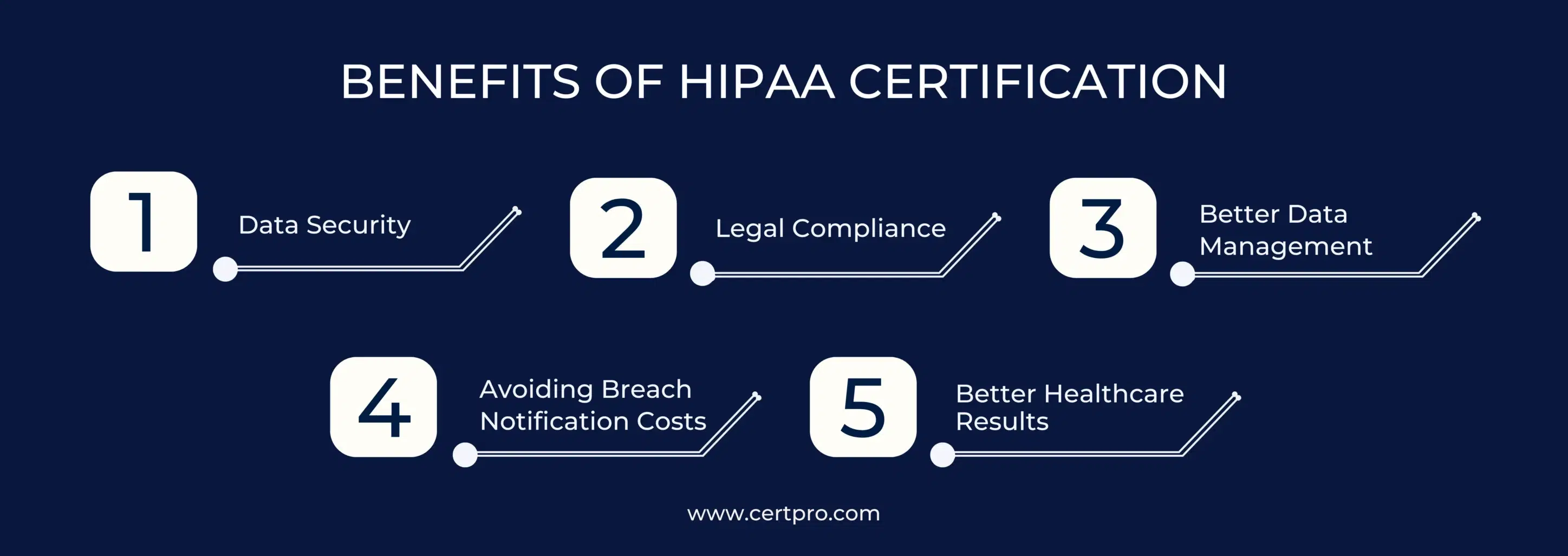
- ✓Enhanced Patient Trust and Organizational Credibility
- ✓Operational Security Improvements Through the Audit Process
- ✓Support for Healthcare System Contracting and Market Access
HIPAA Compliance Requirements Specific to Los Angeles Industries
Los Angeles’s diverse economy encompasses a wide range of industry segments that interact with PHI and ePHI in different ways. HIPAA certification audit scopes and requirements differ meaningfully across these segments based on the specific PHI flows, system architectures, and operational practices involved. The following subsections address HIPAA certification considerations for the primary industry categories in the Los Angeles market.
Traditional healthcare providers — including hospitals, outpatient clinics, physician practices, dental offices, mental health providers, and home health agencies — are covered entities under HIPAA and are subject to the full requirements of the Privacy Rule, Security Rule, and Breach Notification Rule. In Los Angeles, the sheer volume and geographic distribution of healthcare providers creates a complex compliance landscape. Large academic medical centers managing thousands of concurrent PHI records across electronic health record platforms, imaging systems, laboratory information systems, and patient portal applications face enterprise-scale compliance obligations. Small independent physician practices managing PHI through practice management software and email communications face similar rule requirements but with proportionally simpler implementation obligations.
For covered entities in Los Angeles, the Privacy Rule’s minimum necessary standard — which requires that uses and disclosures of PHI be limited to the minimum necessary to accomplish the intended purpose — applies to all workforce members who access PHI in the course of their duties. Compliance with this standard requires role-based access control implementation in electronic health record systems, access authorization policies, and ongoing monitoring of access patterns for anomalous activity. HIPAA certification audit procedures for covered entities examine both the technical implementation of minimum necessary controls in ePHI systems and the administrative policies that govern workforce access authorization decisions.
Los Angeles has emerged as one of the top five health technology markets in the United States, with a concentration of digital health companies developing telehealth platforms, electronic health record solutions, patient engagement applications, remote patient monitoring tools, and health data analytics platforms. These companies typically operate as business associates to covered entity clients and are subject to HIPAA’s Security Rule and Breach Notification Rule requirements, as well as Privacy Rule obligations specified in their Business Associate Agreements. The cloud-native architectures common in the LA health tech sector create specific HIPAA compliance considerations related to multi-tenant data segregation, cloud service provider BAA execution, API security, and DevOps pipeline ePHI handling.
Health tech companies in Los Angeles must pay particular attention to the intersection of HIPAA and mobile application development. Consumer-facing mobile health applications that collect data on behalf of covered entities may create ePHI handling obligations requiring Security Rule compliance. The distinction between HIPAA-covered mobile health applications and wellness applications that fall outside HIPAA jurisdiction is determined by whether the application collects, creates, or transmits information on behalf of a covered entity in a healthcare treatment, payment, or operations context. HIPAA certification audits for health tech companies include examination of application data flow documentation, API security controls, and the contractual framework defining the organization’s relationship with covered entity clients to ensure correct entity classification and appropriate control scope.
Biotech and medtech companies in Los Angeles conducting clinical trials, managing biospecimen data, or developing medical devices that collect patient biometric information face HIPAA compliance obligations that intersect with FDA regulatory requirements and research ethics frameworks. Clinical trial data involving individually identifiable health information is subject to HIPAA’s Privacy Rule, with specific provisions governing research uses of PHI including authorization requirements, limited data set provisions, and waiver of authorization procedures. Organizations conducting clinical research in Los Angeles must manage HIPAA compliance in coordination with their Institutional Review Board (IRB) oversight, creating a layered compliance environment that benefits from structured third-party certification audit evaluation.
Medtech companies developing connected medical devices — including cardiac monitoring devices, continuous glucose monitors, infusion pumps, and other internet-of-things medical devices — must address HIPAA Security Rule requirements for ePHI transmitted or stored by their devices when those devices operate as business associates in a healthcare delivery context. The FDA’s cybersecurity guidance for medical devices and HIPAA’s Security Rule share overlapping control objectives around access management, software patching, encryption, and incident response, creating opportunities for integrated compliance program development. HIPAA certification audit procedures for medtech companies examine device security architecture documentation, software bill of materials (SBOM) records, and post-market surveillance procedures that address cybersecurity vulnerability management.
Fintech companies in Los Angeles that process healthcare payment transactions — including medical billing services, revenue cycle management companies, healthcare claims clearinghouses, and payment processing platforms serving healthcare providers — are subject to HIPAA requirements as covered entities (in the case of healthcare clearinghouses) or business associates (in the case of billing and payment processing services). These organizations handle PHI in the form of claims data, explanation of benefits information, and payment transaction records that include individually identifiable health information. HIPAA certification audit procedures for fintech organizations in healthcare payment processing examine transaction data handling controls, electronic data interchange security, and the adequacy of safeguards for PHI maintained in payment processing systems.
The intersection of HIPAA and PCI DSS (Payment Card Industry Data Security Standard) is a common compliance complexity for healthcare fintech organizations in Los Angeles. While PCI DSS governs the security of payment card data and HIPAA governs PHI, healthcare payment processing environments frequently contain both types of sensitive data, requiring integrated security control frameworks that address both regulatory requirements. HIPAA certification audit procedures for these organizations are scoped to evaluate HIPAA-specific PHI safeguards, while acknowledging the organizational context of co-existing PCI DSS compliance obligations. Organizations that have achieved PCI DSS certification may have foundational security controls in place that support HIPAA Security Rule compliance, though direct control mapping analysis is required to identify any gaps between the two frameworks.
- ✓Healthcare Providers: Hospitals, Clinics, and Physician Practices
- ✓Health Tech and Digital Health Companies
- ✓Biotech, Medtech, and Clinical Research Organizations
- ✓Fintech and Healthcare Payment Processing Organizations
HIPAA Privacy Rule: Key Requirements for Los Angeles Covered Entities
The HIPAA Privacy Rule establishes national standards for the protection of individually identifiable health information held or transmitted by covered entities and their business associates. For Los Angeles healthcare organizations, the Privacy Rule defines patient rights, permissible PHI uses and disclosures, organizational requirements for privacy program management, and specific obligations related to Notice of Privacy Practices, patient authorization, and minimum necessary standards. The following subsections address the primary Privacy Rule requirements evaluated during HIPAA certification audits.
The HIPAA Privacy Rule specifies the circumstances under which covered entities may use or disclose PHI without patient authorization. Covered entities may use and disclose PHI for treatment, payment, and healthcare operations purposes without patient authorization, subject to minimum necessary limitations. Treatment purposes include sharing PHI among treating providers for care coordination; payment purposes include submitting claims to health insurance carriers; healthcare operations purposes include quality assurance activities, compliance programs, and administrative functions. Covered entities may also disclose PHI without authorization in specific circumstances defined by the Privacy Rule, including disclosures required by law, public health activities, health oversight agency activities, and judicial and administrative proceedings.
For uses and disclosures of PHI that fall outside the treatment, payment, and operations framework — including marketing activities, research uses, and disclosures to employers — the Privacy Rule generally requires a written patient authorization that meets specific content requirements. Los Angeles healthcare organizations that use PHI for marketing communications, share PHI with affiliated organizations for business development purposes, or provide PHI to research institutions must ensure that their authorization forms and procedures comply with the Privacy Rule’s authorization requirements, including the requirement that authorizations be specific, voluntary, and not conditioned on the provision of treatment. HIPAA certification audit procedures for covered entities examine authorization form content, authorization tracking systems, and marketing communication practices for Privacy Rule conformance.
The HIPAA Privacy Rule grants patients a defined set of rights with respect to their PHI held by covered entities. These rights include: the right to access and receive a copy of their health records (with limited exceptions); the right to request amendments to their health records; the right to an accounting of disclosures of their PHI for purposes other than treatment, payment, and operations; the right to request restrictions on certain uses and disclosures of their PHI; the right to request confidential communications; and the right to receive a Notice of Privacy Practices explaining how the covered entity uses and discloses PHI and what rights the patient has. HIPAA is important to patients because it safeguards their privacy and health information, ensures access to their own records, and provides mechanisms for accountability when covered entities misuse PHI.
HIPAA certification audit procedures for patient rights compliance examine the covered entity’s documented procedures for responding to patient access requests — including the required 30-day response timeline (extendable by 30 days with written notice) — amendment request processes, accounting of disclosures logs, and Notice of Privacy Practices distribution and posting procedures. Common nonconformities identified in Los Angeles healthcare provider audits include delayed responses to patient access requests, incomplete accounting of disclosures records, and Notice of Privacy Practices documents that have not been updated to reflect current practices or post-Omnibus Rule requirements. The 21st Century Cures Act’s information blocking provisions, which became effective in 2021, add additional clinical notes access requirements that interact with HIPAA patient access rights and are evaluated in the context of certification audits for electronic health record-based providers.
- ✓Permitted Uses and Disclosures of PHI
- ✓Patient Rights Under the HIPAA Privacy Rule
HIPAA Breach Notification Rule: Requirements and Audit Considerations
The HIPAA Breach Notification Rule requires covered entities to notify affected individuals, the Secretary of HHS, and in some cases prominent media outlets when a breach of unsecured PHI occurs. Business associates must notify the covered entity of a breach within 60 days of discovery. For covered entities, individual notification must be provided without unreasonable delay and no later than 60 days following discovery of the breach. Breaches affecting 500 or more individuals in a state must be reported to HHS without unreasonable delay and no later than 60 days following discovery; affected media must also be notified contemporaneously with individual notification. Breaches affecting fewer than 500 individuals may be reported to HHS annually, through the HHS breach reporting portal, no later than 60 days after the end of the calendar year in which the breaches occurred.
Under the HIPAA Breach Notification Rule, a breach is defined as an impermissible use or disclosure of PHI that compromises the security or privacy of the information. An impermissible use or disclosure is presumed to be a breach unless the covered entity or business associate demonstrates that there is a low probability that the PHI has been compromised based on a four-factor risk assessment. The four factors are: (1) the nature and extent of the PHI involved, including the types of identifiers and the likelihood of re-identification; (2) the unauthorized person who used the PHI or to whom the disclosure was made; (3) whether the PHI was actually acquired or viewed; and (4) the extent to which the risk to the PHI has been mitigated.
HIPAA certification audit procedures under the Breach Notification Rule examine the organization’s documented breach response procedures, including incident detection mechanisms, breach determination decision documentation, four-factor risk assessment records for potential breach events, and notification records for confirmed breaches. A significant compliance gap identified in many Los Angeles organizations is the absence of documented four-factor risk assessments for potential breach events that were determined not to require notification. Without documentation of the risk assessment, the covered entity cannot demonstrate that the breach notification exception was properly applied — creating regulatory exposure even when the underlying determination to not notify was substantively correct. Well-structured breach response procedures include mandatory documentation requirements for all potential breach events regardless of the notification determination outcome.
Texting patient information without proper safeguards can potentially be a violation of the HIPAA Privacy Rule and Security Rule. This is a common compliance gap in Los Angeles healthcare organizations where clinical staff use personal mobile devices to communicate about patient care. Standard SMS text messaging does not provide encryption, access controls, or audit logging — making it a non-compliant channel for PHI transmission under the HIPAA Security Rule’s transmission security standard. Covered entities that permit staff to communicate PHI via unencrypted text messaging must either implement a HIPAA-compliant secure messaging solution or maintain documented evidence that the transmission security addressable specification has been appropriately addressed through an equivalent alternative measure. HIPAA certification audit procedures for covered entities evaluate mobile device policies, BYOD (bring your own device) program documentation, and the availability of HIPAA-compliant communication tools for clinical staff.
Email communication of PHI presents similar compliance considerations. Standard email transmitted over the public internet without end-to-end encryption does not meet HIPAA’s transmission security requirements for ePHI. Healthcare providers in Los Angeles that transmit PHI via email — whether to patients, other providers, or business associates — must implement email encryption solutions, use secure patient portal messaging systems, or obtain valid patient authorization for transmission via standard unencrypted email after informing the patient of the associated risks. Three HIPAA-regulated entities reported separate email data breaches in 2025, compromising the protected health information of thousands of patients, demonstrating the ongoing prevalence of email as a primary PHI breach vector. Certification audit procedures examine email security configurations, encryption deployment documentation, and email use policy training records.
- ✓Breach Definition and the Four-Factor Risk Assessment
- ✓Texting and Electronic Communication HIPAA Compliance
Business Associate Agreements: HIPAA Requirements and Common Pitfalls
Business Associate Agreements (BAAs) are a foundational contractual mechanism of the HIPAA compliance framework. Every covered entity must execute a BAA with any vendor, contractor, or subcontractor that creates, receives, maintains, or transmits PHI on the covered entity’s behalf. Business associates, in turn, must execute BAAs with their own subcontractors that access PHI. The BAA must contain specific provisions required by HIPAA, including limitations on PHI use and disclosure, requirements for appropriate safeguards, obligations to report PHI breaches and security incidents to the covered entity, and requirements to return or destroy PHI upon contract termination. HIPAA certification audits include systematic evaluation of an organization’s BAA program to verify completeness, contractual adequacy, and operational management.
According to Reuters’ recent analysis, there is an alarming rise in exposed PHI caused by vendor and third-party system misconfigurations, poor encryption, and missing Business Associate Agreements. In Los Angeles HIPAA certification audits, several recurring BAA compliance deficiencies are consistently identified. First, BAA coverage gaps: organizations frequently fail to execute BAAs with all required parties, particularly cloud service providers, IT support vendors, and software-as-a-service platforms that access or host ePHI. The rapid proliferation of cloud-based business applications in the health tech sector means that ePHI may flow to third-party systems without the organization’s PHI governance team having recognized the BAA obligation.
Second, outdated BAA terms: BAAs executed before the HIPAA Omnibus Rule of 2013 may not contain required provisions addressing direct business associate liability, breach notification timelines, and subcontractor BAA requirements. Organizations that have long-standing vendor relationships may have inherited pre-Omnibus BAAs that require updating. Third, missing subcontractor BAA chains: business associates operating in Los Angeles that use subcontractors to perform functions involving PHI must ensure that BAAs are in place throughout the subcontractor chain, including with cloud infrastructure providers, payment processors, and IT services firms. A BAA between a covered entity and a primary business associate does not automatically extend HIPAA obligations to the business associate’s subcontractors — each link in the chain requires its own executed BAA. HIPAA certification audit procedures examine BAA libraries for completeness, currency, and conformance with post-Omnibus Rule requirements.
Obtaining HIPAA certification in Los Angeles requires a structured approach that addresses each phase of the audit process from initial scope definition through attestation issuance and ongoing maintenance. The following steps describe the certification pathway for Los Angeles organizations engaging CertPro as their third-party certification auditor. Each step is a defined phase in the audit process with specific activities, documentation outputs, and evaluation criteria.
- Engagement Initiation: Establish the certification engagement with CertPro, define the audit scope covering all systems, locations, and workforce roles that create, receive, maintain, or transmit PHI or ePHI, and determine the applicable audit program based on entity type (covered entity or business associate) and industry sector.
- Documentation Assembly: Compile all HIPAA compliance documentation including the current risk analysis, written security and privacy policies and procedures, workforce training records, Business Associate Agreement library, Notice of Privacy Practices, and security incident logs for auditor review.
- Stage 1 Documentation Review: CertPro auditors conduct a systematic review of all submitted compliance documentation to assess framework completeness against applicable HIPAA standards, identify documentation gaps or outdated content, and communicate preliminary findings to the organization.
- Documentation Remediation: Address any documentation gaps or deficiencies identified during Stage 1 review by updating policies, completing missing records, and executing outstanding Business Associate Agreements prior to Stage 2 audit commencement.
- Stage 2 Control Testing: CertPro auditors conduct operational control testing through workforce interviews, system demonstrations, access control reviews, physical security assessments, audit log examinations, and security incident log reviews to verify that documented controls are implemented and operating effectively.
- Nonconformity Assessment: The audit team assesses identified control gaps, classifying nonconformities by severity (minor versus major) and determining whether remediation is required before the certification decision or addressable through a post-certification corrective action plan.
- Remediation of Major Nonconformities: Address any major nonconformities identified during control testing by implementing required controls, documenting the remediation actions taken, and providing evidence to the audit team for re-evaluation of affected control areas.
- Certification Decision and Attestation Issuance: CertPro’s audit principal reviews all audit workpapers, testing results, and nonconformity assessments and issues the HIPAA certification attestation when overall evidence supports conformance with applicable HIPAA standards.
- Corrective Action Plan Implementation: Implement documented corrective action plans addressing minor nonconformities identified during the audit, with progress tracked against defined timelines and reported to CertPro as part of ongoing surveillance activities.
- Surveillance and Recertification Planning: Establish the surveillance schedule and recertification timeline with CertPro to maintain certification validity as the organization’s operations, systems, and risk environment evolve over time.
Organizations in Los Angeles that approach the HIPAA certification process with complete, current documentation and operationally effective controls will achieve certification most efficiently. The certification process is not designed to be a barrier but rather a structured evaluation mechanism that produces reliable attestation for organizations that have made genuine investments in PHI protection. For Los Angeles organizations at earlier stages of compliance program development, the structured evaluation methodology of the certification audit provides a comprehensive roadmap for building a mature, documented compliance framework that meets HIPAA standards and supports long-term certification maintenance.
- ✓Common BAA Pitfalls Identified in Los Angeles HIPAA Audits
FAQ
▶
What is HIPAA certification?
▶
Who needs HIPAA certification?
▶
How long does HIPAA certification take?
▶
What are the benefits of HIPAA certification?
▶
What is the cost of HIPAA certification?
▶
How do I prepare for HIPAA certification?
▶
What happens after HIPAA certification?

Why is HIPAA Important to Patients
LAST UPDATE — 10-01-2025 The Health Insurance Portability and Accountability Act, also known as HIPAA, is crucial for patients because it safeguards t…

WHAT IS THE HIPAA OMNIBUS RULE
In the U.S. healthcare sector, sensitive medical records are often subjected to cyberattacks like data breaches and ransomware. For example, recently …

WHAT IS PROTECTED HEALTH INFORMATION (PHI)? EXAMPLES, SCOPE, AND HIPAA COMPLIANCE
In the modern healthcare system, sensitive data are no longer stored in paper files. Instead, most sensitive health data is managed and shared online …
Get In Touch
have a question? let us get back to you.