
MALAYSIA COMPLIANCE AND CERTIFICATION AUDITS
Malaysia’s business environment is driven by trade, innovation, and cross – border operations. As a result, regulatory compliance plays a central role in market participation. Compliance certification in Malaysia provides formal, third – party confirmation that an organization meets applicable legal, regulatory, and industry requirements.
These certifications verify conformity with both local regulations and international standards. In addition, they support credibility in regulated markets and commercial transactions. Malaysia continues to align its regulatory framework with international benchmarks, including ISO standards and recognized assurance frameworks.
Given the country’s diverse economy, particularly in technology, manufacturing, and services, certification against standards such as ISO and SOC 2 is often required for supplier qualification and market access. Organizations engaged in international data flows may also require GDPR – aligned controls when processing EU personal data.
Independent certification audits support these requirements by validating documented controls, operational practices, and recorded evidence at a defined point in time.
MALAYSIA – Focused Compliance & Certification Services


Trusted Clients in the MALAYSIA




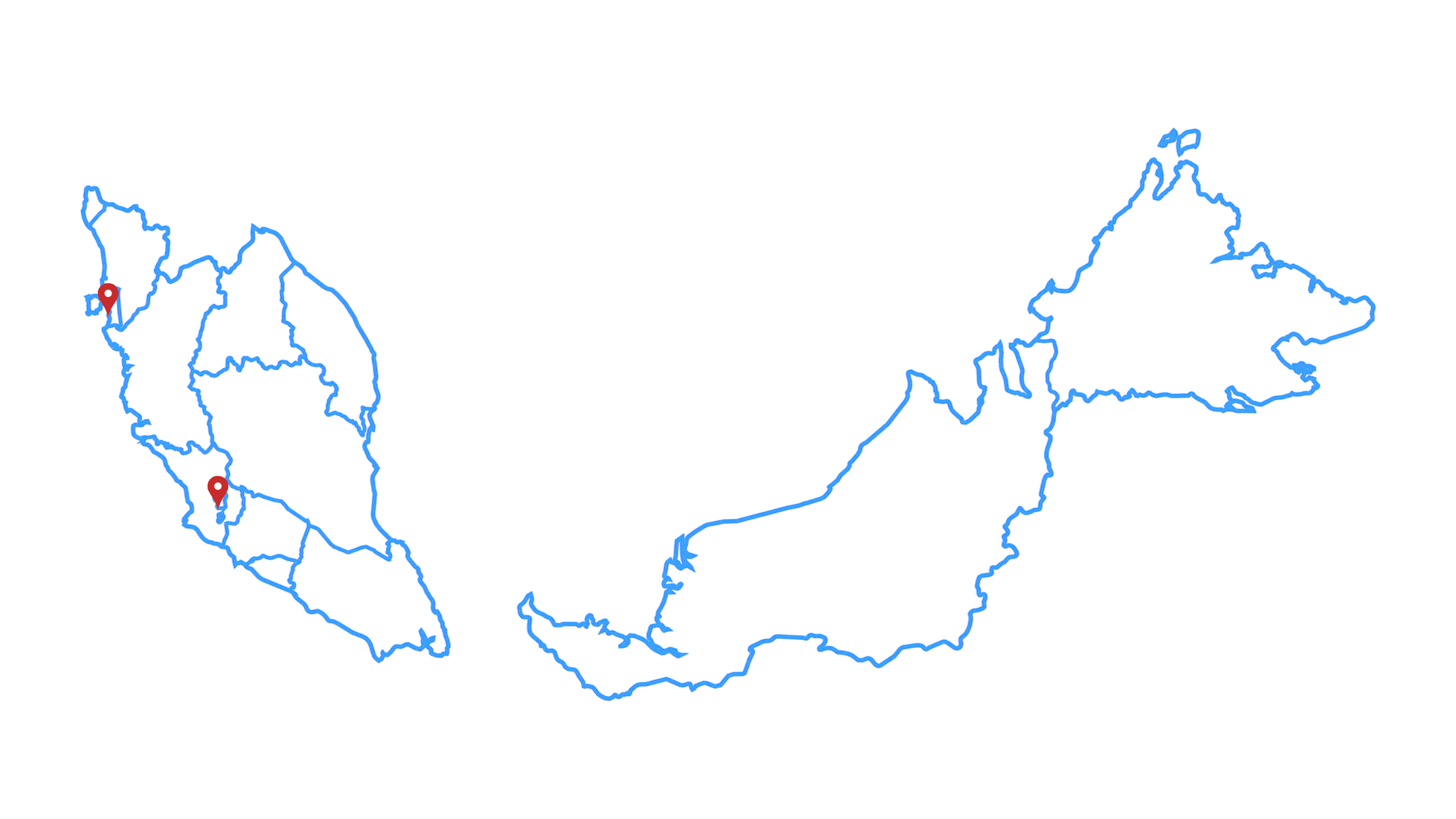
WHY IS COMPLIANCE CRITICAL FOR BUSINESSES IN MALAYSIA?
Compliance certification in Malaysia confirms that an organization operates within established regulatory and industry boundaries. These requirements cover areas such as corporate governance, data protection, financial controls, anti – corruption, and employee rights.
By meeting these requirements, organizations reduce exposure to regulatory action, financial penalties, and reputational harm. Certification also provides external stakeholders, including customers, investors, and partners, with objective assurance of conformity.
International standards such as ISO frameworks are commonly used to demonstrate alignment with accepted global practices. For organizations processing EU personal data, GDPR – aligned controls are also relevant when engaging with European counterparties.
In regulated and competitive markets, certification supports transparency and risk control rather than operational advice.
KEY REGULATORY BODIES OVERSEEING COMPLIANCE IN MALAYSIA
Several regulatory bodies oversee different aspects of compliance certification in Malaysia.
- Securities Commission Malaysia (SC) – This authority regulates capital markets and financial services. Moreover, the SC establishes frameworks for investor protection and market integrity.
- Bank Negara Malaysia (BNM) – As the central bank, BNM oversees banking and financial institutions. Additionally, it enforces monetary policies and anti – money laundering regulations.
- Companies Commission of Malaysia (SSM) – This body administers business registrations and corporate governance standards. Furthermore, SSM monitors ongoing compliance with companies’ statutory requirements.
- Department of Standards Malaysia (DSM) – This organization develops national standards across various industries. Consequently, DSM plays a crucial role in ensuring compliance certification in Malaysia.
- Malaysian Communications and Multimedia Commission (MCMC) – The Malaysian Communications and Multimedia Commission (MCMC) regulator oversees telecommunications and digital media sectors. Subsequently, MCMC enforces content regulations and licensing requirements.
Each body plays a vital role in shaping the Malaysian compliance ecosystem. Therefore, CertPro’s certification audits assess organizational conformity with requirements derived from these regulatory frameworks where applicable.

COMMON COMPLIANCE CHALLENGES FOR BUSINESSES IN MALAYSIA
Organizations operating in Malaysia frequently encounter the following compliance challenges.
Regulatory Complexity – Malaysian laws and regulations are updated regularly. As a result, companies find it difficult to keep up with the latest compliance requirements.
Cross – Border Requirements – International companies must follow rules from multiple countries. As a result, balancing these different regulations can create a heavy compliance workload.
Documentation Management – Compliance often involves a lot of paperwork. Without proper records, businesses risk fines or penalties from regulatory authorities.
Language Barriers – Regulations are written in both Bahasa Malaysia and English. However, differences in translation can lead to confusion, especially for foreign companies.
Compliance Costs – Setting up proper compliance systems requires financial investment. Still, these costs are essential for running a legally sound and trustworthy business.
Handling these challenges is important for any company that wants to grow sustainably in Malaysia’s business environment. Independent audits evaluate how these risks are controlled, rather than advising on remediation.
UNDERSTANDING MAJOR COMPLIANCE STANDARDS IN MALAYSIA
Organizations seeking compliance certification in Malaysia commonly align with the following frameworks:
- Malaysian Financial Reporting Standards (MFRS): Governs financial reporting consistency and transparency.
- Personal Data Protection Act (PDPA): The Personal Data Protection Act (PDPA) governs the collection, processing, and protection of personal data in Malaysia.
- Anti-Money Laundering Act (AMLA): Applies to financial institutions and regulated entities handling financial transactions.
- Malaysian Code on Corporate Governance (MCCG): Establishes governance principles for listed and regulated companies.
- Environmental Quality Act: Sets environmental protection and pollution control obligations.
Certification audits assess conformity with applicable clauses and statutory obligations.
HOW CERTPRO IS MAKING A DIFFERENCE IN COMPLIANCE FOR BUSINESS IN MALAYSIA
In today’s business world, following rules and meeting international standards is more important than ever. Companies in Malaysia face many regulations related to quality, safety, the environment, and data protection. For many businesses, understanding and meeting these requirements for compliance certification in Malaysia can be challenging. This is where CertPro’s contribution truly shines. CertPro, a global compliance and certification company, helps Malaysian businesses become certified for ISO 9001, ISO 27001 Malaysia, and ISO 14001. Above all, our goal is to make the process of achieving and maintaining compliance simpler and more effective. On top of that, businesses can grow faster with CertPro as compliance consultants in Malaysia by their side.
What makes CertPro stand out is how we work with businesses. Instead of offering generic solutions, we learn about each company’s operations, goals, and challenges. We then provide clear guidance and step-by-step support to help that company meet standards. Therefore, with this practical and personalized approach, businesses can build strong systems that work for them, not just look good. Additionally, we are revolutionizing compliance certification in Malaysia through innovative approaches. CertPro delivers reliable ISO audit Malaysia and certification services tailored to your industry.
Complying with international standards helps Malaysian businesses grow, gain customer trust, and enter global markets. Despite industry complexity, CertPro simplifies compliance certification in Malaysia. This, in turn, aids you and your team in gaining a more profound comprehension of the regulatory requirements. In short, CertPro is making compliance easier and more effective with its audit and certification services in Malaysia.
INDUSTRIES IN MALAYSIA THAT BENEFIT MOST FROM COMPLIANCE
In Malaysia, several industries depend on regulatory compliance to run their operations smoothly and maintain trust with customers.
1. Financial Services: Banks and investment firms must follow strict rules to avoid penalties or losing their licenses.
2. Manufacturing: Manufacturers, especially those exporting products, need to meet global quality and safety standards.
3. Healthcare and Pharmaceuticals: Hospitals and pharmaceutical companies must comply with safety rules to protect patients and ensure the quality of medical products. Such compliance helps them stay certified and operate without disruptions.
4. Information Technology: IT companies must follow data protection and cybersecurity standards to prevent data breaches. Compliance ensures that sensitive information is kept safe and builds customer trust.
5. Food and Beverage: Food producers must meet health and safety regulations to ensure their products are safe for consumption.
Certification provides third – party validation rather than operational endorsement.
EMERGING COMPLIANCE TRENDS IN MALAYSIA FOR 2025
Malaysia’s business environment is changing quickly, and so are the compliance requirements:
- Digital Compliance Solutions: More companies are using technology to manage compliance. As a result, automated tools will help with tracking, reporting, and staying updated with rules.
- ESG Integration: Environmental and social responsibility is becoming more important. Therefore, companies must show real efforts in sustainability to meet new regulations and gain certifications.
- Cybersecurity Compliance: Data protection rules are getting stricter. Businesses must now have strong cybersecurity systems to protect customer and company data.
- Risk-Based Compliance: Authorities are focusing more on high-risk industries. Sectors like finance, healthcare, and manufacturing will face more checks and stricter requirements.
STAGES REVIEWED DURING COMPLIANCE CERTIFICATION IN MALAYSIA
Compliance certification in Malaysia follows a structured and defined assessment process. Certification outcomes are based on objective evidence and documented conformity with applicable requirements. The typical process includes the following stages:
1. Identification of Applicable Requirements: The organization determines which regulatory obligations and compliance certification frameworks apply. These may include ISO standards, GDPR-related controls, or Malaysian statutory requirements, depending on industry scope and operations.
2. Initial Compliance Status Review: Existing documentation and implemented controls are reviewed to establish the current conformity position. This review highlights gaps against applicable certification criteria.
3. Documentation of Policies and Procedures: Required policies, procedures, and records are established and maintained to reflect operational, security, and data protection controls aligned with the selected framework.
4. Implementation of Defined Controls: Technical, administrative, and operational controls are put in place as documented. These controls form the basis for audit evaluation.
5. Personnel Awareness and Role Alignment: Roles and responsibilities related to compliance are defined. Evidence of awareness activities and role-based responsibilities is maintained.
6. Internal Review and Ongoing Monitoring: Periodic internal checks are conducted to confirm continued alignment with documented controls and regulatory expectations.
7. Certification Audit and Surveillance: An independent audit evaluates conformity at a specific point in time. Ongoing surveillance audits confirm continued alignment during the certification cycle.
Completion of these stages supports formal certification against applicable legal, regulatory, and industry standards.
CERTPRO: YOUR TRUSTED PARTNER FOR COMPLIANCE, GROWTH, AND PROFIT IN MALAYSIA
CertPro provides independent certification and conformity assessment services in Malaysia. Certification activities are conducted against applicable local regulations and internationally recognized frameworks, based on documented information and verifiable audit evidence.
Certification services include standards and assurance frameworks like ISO 42001, ISO 27701, ISO 27001, SOC 2, HIPAA controls, and GDPR requirements. Each certification audit evaluates whether defined criteria are met at a specific point.
CertPro’s certification process follows structured audit methodologies. These include scope definition, review of documented controls, evaluation of implementation, and assessment of objective records. Furthermore, our audit conclusions are based solely on audit findings and conformity results.
For organizations operating in regulated or cross – border environments, certification supports formal recognition of compliance status for regulatory, contractual, and stakeholder purposes. Ongoing surveillance audits confirm continued alignment during the certification cycle.
CertPro operates as a licensed CPA firm, and our certification demonstrates that assessed requirements have been met under defined audit conditions and framework requirements.
FAQ
What is compliance certification in Malaysia?
Compliance certification in Malaysia is a formal, third – party confirmation that an organization meets applicable legal, regulatory, or standard – based requirements. Certification is issued following an independent audit that evaluates documented controls, implemented processes, and objective evidence at a defined point in time.
Which standards are commonly used for compliance certification in Malaysia?
Organizations in Malaysia commonly seek certification against ISO standards such as ISO 9001, ISO 27001, ISO 27701, and ISO 42001. Depending on business activities, SOC 2, HIPAA – aligned controls, and GDPR – related requirements may also apply, particularly for cross – border operations.
Is compliance certification mandatory for businesses in Malaysia?
Compliance certification is not universally mandatory. However, certain industries, contractual arrangements, regulators, or international partners may require certification as a condition for licensing, supplier qualification, or market access. Requirements vary by sector and operational scope.
How is compliance certification assessed in Malaysia?
Certification is assessed through an independent audit process. The audit includes scope definition, review of documented policies, evaluation of implemented controls, and verification of records. Certification decisions are based on conformity with defined criteria, not on recommendations or advisory input.
How often must compliance certification be renewed?
Most certifications follow a defined certification cycle, commonly three years, with periodic surveillance audits. These audits confirm continued conformity with applicable standards and regulatory expectations throughout the certification period.
Compliance in MALAYSIA
Ensure Compliance in Malaysia with ISO 27001, ISO 42001, SOC 2, GDPR, HIPAA, and CE Marking.
Compliance in Kuala Lumpur
Achieve Compliance in Kuala Lumpur with ISO 27001, ISO 42001, SOC 2, GDPR, HIPAA, and CE Marking.
Compliance in George Town
Achieve Compliance in George Town With ISO 27001, ISO 42001, SOC 2, GDPR, HIPAA and CCPA Certifications.