
NEW ZEALAND: Compliance & Certification Audits
Businesses operating in New Zealand are subject to defined regulatory and statutory requirements, including obligations under the Privacy Act 2020, Financial Markets Authority (FMA) rules, WorkSafe New Zealand regulations, and Inland Revenue Department (IRD) requirements. Organizations seeking formal recognition of compliance may pursue independent certification audits to demonstrate conformity with applicable legal and international standards.
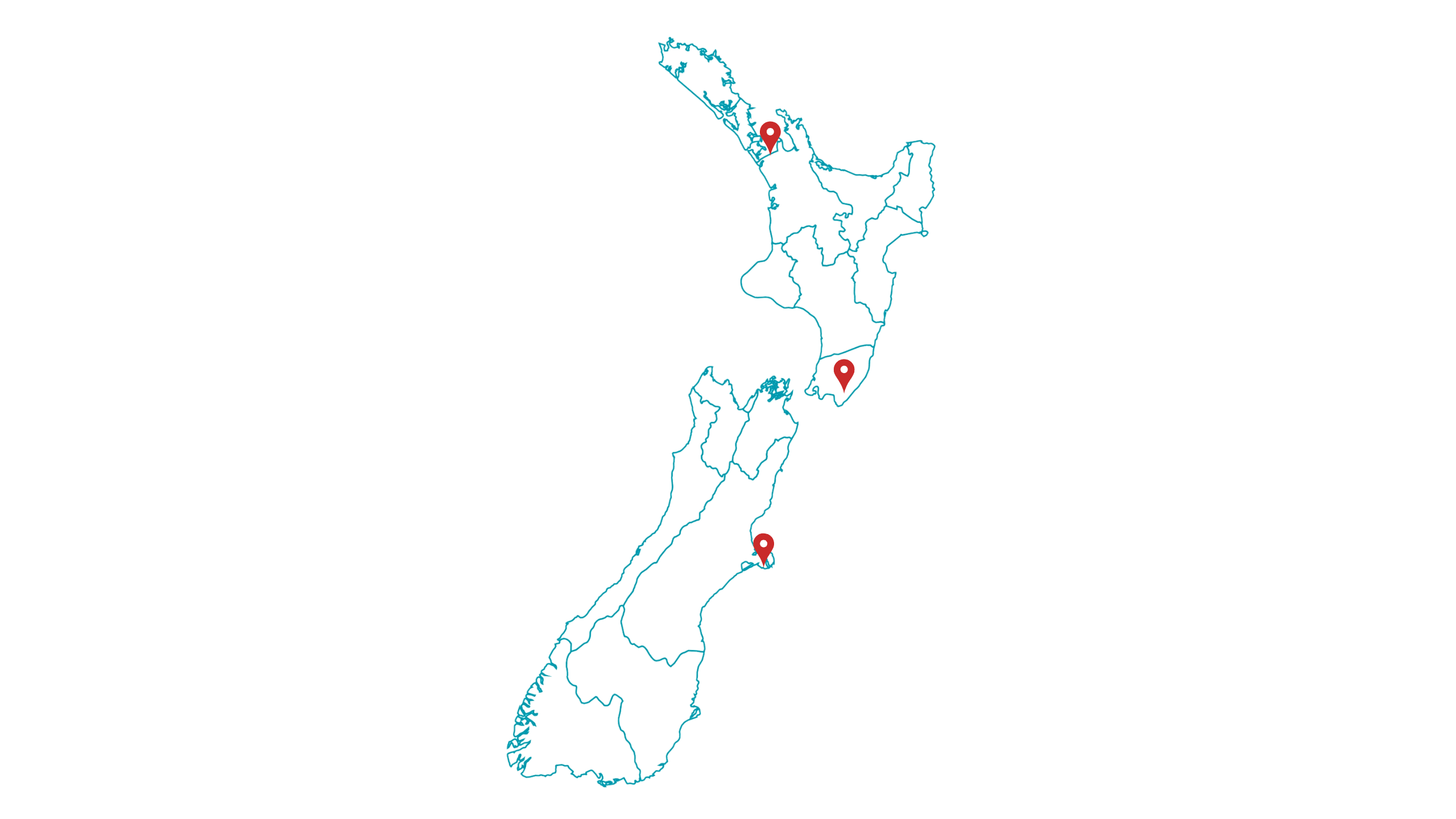
This is because compliance certification provides third – party confirmation that documented controls align with stated requirements at a defined point in time. For organizations operating across Auckland, Wellington, Christchurch, and other regions, certification audits serve as objective evidence of regulatory alignment and operational discipline.
Organizations handling EU personal data may also be subject to GDPR obligations. In such cases, independent assessments evaluate conformity against specific GDPR requirements. At CertPro, certification and assessment outcomes are based on documented evidence, a defined audit scope, and fixed evaluation criteria derived directly from applicable legal standards, regulatory obligations, and recognized certification standards.
NEW ZEALAND – Focused Compliance & Certification Services

WHY IS COMPLIANCE CRITICAL FOR BUSINESSES IN NEW ZEALAND?
Compliance is a basic operating requirement for organizations subject to regulatory oversight in New Zealand.
Certification audits offer independent confirmation that documented and operating controls address legal, financial, privacy, and governance obligations. Organizations may face penalties, enforcement action, or reputational impact if they fail to meet regulatory requirements. Through certification audits, organizations can demonstrate conformity with applicable standards and regulatory expectations using verifiable evidence reviewed over a defined period of time.
Regulatory oversight applies across sectors such as financial services, healthcare, manufacturing, and technology. Independent audits introduce consistency and accountability by applying the same evaluation criteria across different industries and operating models.
In practice, compliance is demonstrated through evidence, control performance, and audit results. Maintaining certification status better prepares organizations for regulatory audits, enterprise deals, and external scrutiny.
KEY REGULATORY BODIES OVERSEEING COMPLIANCE IN NEW ZEALAND
New Zealand has several key regulatory bodies that ensure businesses meet compliance standards. These organizations enforce regulations, promote ethical practices, and enhance corporate accountability. Moreover, compliance certification in New Zealand is essential for businesses to operate legally and maintain industry standards.
- Financial Markets Authority (FMA): The FMA makes sure financial services are honest and safe for everyone. Furthermore, it looks after things like stocks, investments, and how companies report their finances.
- WorkSafe New Zealand: WorkSafe makes sure workplaces are safe. It helps businesses find and fix risks so people don’t get hurt at work.
- Inland Revenue Department (IRD): The Inland Revenue Department (IRD) ensures tax compliance for businesses and individuals. It monitors tax reporting, payments, and regulatory adherence.
- The Office of the Auditor – General (OAG): The OAG looks after public sector audits and ensures financial accountability.
- Privacy Commissioner: The Privacy Commissioner protects people’s personal information. Moreover, it makes sure businesses use customer data properly and follow the New Zealand Privacy Act 2020. This plays a major role in supporting the efforts to get GDPR compliance New Zealand by aligning with global data protection practices.
By complying with these regulations, businesses mitigate risks. Compliance certification audits assess organizational conformity with requirements enforced by these authorities where applicable.

COMMON COMPLIANCE CHALLENGES FOR BUSINESSES IN NEW ZEALAND
Businesses in New Zealand face several compliance challenges that can impact operations and growth.
- Changing Rules and Regulations: Laws and industry standards keep changing, so businesses need to stay up – to – date. If they don’t, they could face fines or legal trouble.
- Tax and Financial Compliance: Companies must follow tax rules and make sure their financial reports are correct.
- Protecting Data and Privacy: Stricter rules now mean businesses must handle people’s data safely. If they don’t, they could lose trust and face big fines if there’s a data leak.
- Workplace Health and Safety: Companies must keep their workplaces safe. If they ignore safety rules, it can lead to accidents and legal problems.
Certification audits assess the extent to which documented and operating controls mitigate these risks.
UNDERSTANDING MAJOR COMPLIANCE STANDARDS IN NEW ZEALAND
Businesses in New Zealand must adhere to key compliance standards to ensure legal and ethical operations. Here are a few major compliance standards listed below:
- Financial and Tax Compliance: Businesses must follow rules about money reporting and paying taxes. If they don’t, they can get fined.
- Health and Safety Regulations: The Health and Safety at Work Act says businesses must manage risks and keep workplaces safe to protect their workers.
- Privacy and Data Protection Standards: Companies must protect customer and employee information by following the Privacy Act.
- Industry – Specific Standards: Different industries like finance, healthcare, and manufacturing have their own special rules.
Certification audits assess conformity against applicable standards based on scope and evidence.
HOW CERTPRO IS MAKING A DIFFERENCE IN COMPLIANCE FOR BUSINESS IN NEW ZEALAND
CertPro CPA LLC is a U.S. – based licensed CPA firm registered under the AICPA Peer Review Program. The firm conducts third – party compliance audits and certification assessments for audit – ready organizations with operations in New Zealand.
We perform compliance audits for SOC 2 attestations, ISO certification audits, and conformity assessments within a defined audit scope. Evaluations are carried out against fixed criteria and supported by documented, verifiable evidence. Our audit methodology excels with a tech – forward audit team and a streamlined process. Furthermore, we follow a process of robust testing of controls and deliver quality outputs.
Especially, our audit outcomes and conclusions reflect the firm’s conformity status on the basis of provable evidence and globally accepted compliance requirements.
INDUSTRIES IN NEW ZEALAND THAT BENEFIT MOST FROM COMPLIANCE
Strict compliance with regulations improves operational efficiency and credibility in many areas.
- Finance and Banking: Banks and financial companies must follow FMA and AML/CFT requirements to protect investors and reduce fraud risks. This builds trust and keeps people’s money safe.
- Healthcare and Pharmaceuticals: Hospitals and drug companies need to follow rules to keep patients safe and protect their private information. This helps them provide better care. Additionally, these firms must meet Privacy Act 2020 rules, protect patient data, and comply with the Health & Safety at Work Act.
- Manufacturing and Export: Factories must meet quality and safety rules to make good products and trade with other countries easily. They must meet quality, environmental, and worker safety standards set by WorkSafe NZ to prevent accidents.
- Construction and Infrastructure: Building companies must follow safety and environmental rules to keep workers safe and protect the planet.
- Technology and Data Security: Companies that handle personal information must follow cybersecurity rules to keep data safe from hackers.
Certification audits provide third – party confirmation of conformity within these sectors.
EMERGING COMPLIANCE TRENDS IN NEW ZEALAND FOR 2025
Regulatory setups are evolving, making compliance certification in New Zealand more crucial than ever. Businesses must adapt to these emerging trends to ensure long – term success.
- Tougher Data Privacy Rules: Companies will need to improve their online security to better protect people’s personal information.
- More Focus on Sustainability and Ethics: New rules will encourage businesses to be more eco – friendly, socially responsible, and honest in how they operate.
- Smarter Digital Compliance Tools: Automation and AI will make it easier for companies to follow rules and handle risks.
- Stricter Workplace Safety Rules: Businesses will have to do better at keeping their workers safe and following safety guidelines.
- Stronger Financial Rules: Banks and financial companies will need to work harder to prevent fraud and money laundering.
With evolving regulations, ongoing conformity is evaluated through surveillance audits and re – certification cycles. in 2026 and beyond.
STAGES REVIEWED DURING COMPLIANCE CERTIFICATION IN NEW ZEALAND
During compliance certification engagements in New Zealand, auditors review a defined set of stages to determine conformity with applicable legal requirements and certification frameworks. These stages reflect how compliance is evaluated based on documented evidence, control operation, and audit scope.
1. Determination of Applicable Requirements: Auditors assess the relevance of statutory obligations and certification frameworks based on the organization’s industry, operational scope, and data exposure. Applicable requirements may include the Privacy Act 2020, sector – specific regulations, and standards such as ISO 27001, ISO/IEC 42001, ISO 27018, ISO 27701, SOC 2, HIPAA, GDPR, or other applicable schemes.
2. Assessment of Current Conformity Status: Audit procedures examine existing controls, processes, and documentation to determine alignment with applicable requirements. This stage identifies areas of demonstrated conformity as well as nonconformities based on evidence reviewed.
3. Review of Documented Policies and Procedures: Certification audits evaluate whether formalized policies, procedures, and governance documentation exist, are approved, and are applied consistently across in – scope functions.
4. Verification of Control Operation: Auditors verify the presence and operation of technical, administrative, and organizational controls intended to address regulatory and standard – based obligations within the defined audit scope.
5. Review of Personnel Awareness Records: Training records and role – based documentation are reviewed to confirm that personnel responsibilities related to compliance are defined and supported by evidence.
6. Examination of Internal Monitoring Activities: Internal audit records, monitoring mechanisms, and corrective action tracking are examined to assess how conformity is identified, recorded, and maintained over time.
7. Assessment of Regulatory Change Awareness: Auditors review documented processes used to identify relevant regulatory or standard updates and to maintain the alignment of controls and documentation where required.
CERTPRO CPA LLC: INDEPENDENT COMPLIANCE AUDITS IN NEW ZEALAND
Compliance certification in New Zealand serves as formal, third – party confirmation that an organization meets applicable legal and certification requirements. Certification audits provide objective evidence that controls addressing regulatory, privacy, and governance obligations are in place and operating within a defined scope.
CertPro CPA LLC is a U.S. – based licensed CPA firm registered under the AICPA Peer Review Program. The firm conducts independent compliance audits and certification assessments for audit – ready organizations operating in New Zealand. Engagements are structured around defined audit criteria and supported by documented, verifiable evidence.
Audit activities focus on evaluating conformity with applicable statutory requirements and recognized certification frameworks. Conclusions reflect the organization’s conformity status at a specific point, based on evidence reviewed during the audit.
FAQ
What does compliance certification mean in New Zealand?
In New Zealand, compliance certification involves independent audit – based assessments against defined standards or regulatory frameworks. These may include ISO standards, SOC reports, or sector – specific requirements. Certification confirms conformity at a specific point in time, based on documented evidence and tested controls.
Is compliance certification in New Zealand government - issued?
No. Most compliance certifications in New Zealand are issued by independent certification or audit bodies. Government agencies set regulatory obligations, but certification itself is performed by licensed or accredited third – party auditors, depending on the framework involved.
How does New Zealand compliance differ from international standards?
New Zealand compliance focuses on local legal obligations, such as privacy, financial reporting, and industry regulations. International standards, like ISO or SOC, apply globally. Many New Zealand organizations pursue both local legal obligations and international customer expectations.
Which regulations commonly drive compliance audits in New Zealand?
Key drivers include the Privacy Act 2020, financial reporting obligations under the Companies Act, and sector rules for healthcare, finance, and technology. For export – oriented or SaaS companies, ISO 27001 and SOC 2 are also common audit targets.
Who requires compliance certification in New Zealand?
Compliance certification is often required by enterprise customers, overseas partners, regulators, or procurement teams. It is common for SaaS providers, financial service firms, healthcare organizations, and data – driven businesses operating across borders.
How often must compliance certification be reviewed or renewed?
Most certifications in New Zealand follow defined audit cycles. ISO certifications require annual surveillance audits and recertification every three years. SOC reports typically cover a defined reporting period and must be renewed to remain current and defensible.
Compliance in NEW ZEALAND
Ensure Compliance in New Zealand with ISO 27001, ISO 42001, SOC 2, GDPR, HIPAA, and CE Marking.
Compliance in AUCKLAND
Achieve Compliance in Auckland with ISO 27001, ISO 42001, SOC 2, GDPR, HIPAA, and CE Marking.
Compliance in CHRISTCHURCH
Stay Compliant in Christchurch with ISO 27001, ISO 42001, SOC 2, GDPR, HIPAA, and CE Marking.
Compliance in WELLINGTON
Meet Compliance Standards in Wellington with ISO 27001, ISO 42001, SOC 2, GDPR, HIPAA, and CE Marking.