Excerpt from Reuters, Published on October 21, 2026
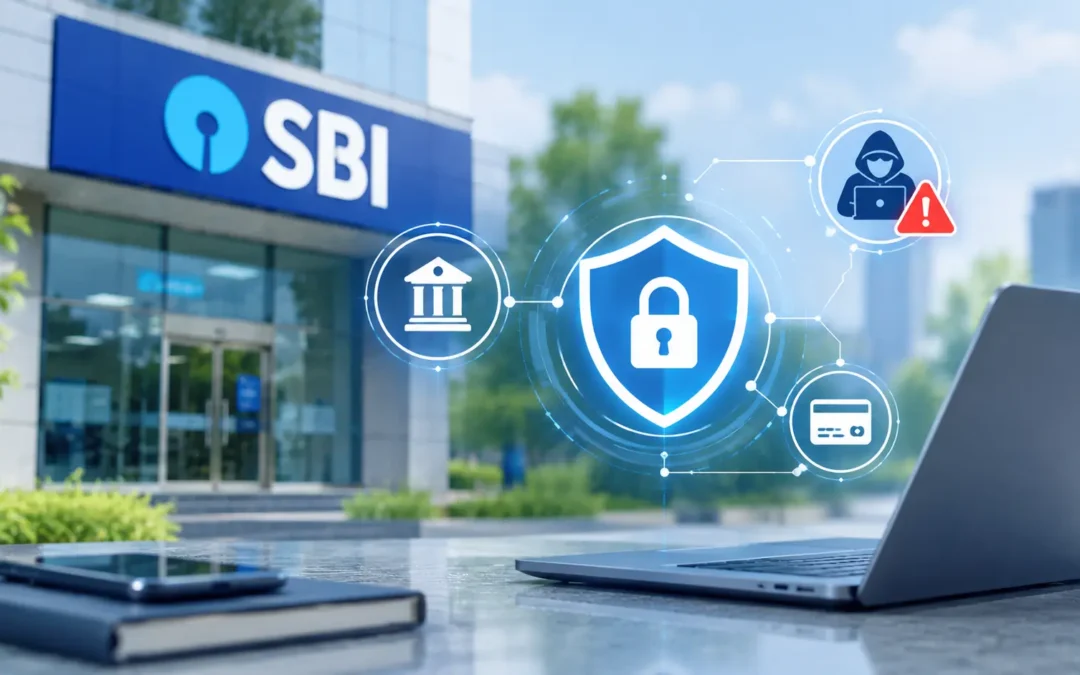
Banking Cybersecurity is a major concern for financial institutions. State Bank of India (SBI) recently reported a cyberattack involving customer records. According to Reuters, an initial review identified 3,897 records containing personally identifiable information among data reportedly found on the dark web. The incident highlights the need for strong data protection and effective security controls.
Customer Records Exposed in SBI Cyberattack
SBI reported that approximately 375,000 records were found on the dark web. Of these, 3,897 records contained personally identifiable information. The reported information included customer names, mobile numbers, dates of birth, email addresses, residential addresses and customer identifiers. Some records also contained loan-related details. The bank received alerts about the suspected exposure on October 16, 2026. It then engaged an independent cybersecurity agency to investigate the incident. SBI stated that the incident was not expected to have a material impact on its core operations, financial performance or business continuity.
Banking Cybersecurity Risks and Customer Data Protection
Effective Banking Cybersecurity helps reduce the risk of phishing, identity fraud and impersonation scams. Banks should strengthen access controls and monitor suspicious activities. They should also maintain clear incident response procedures. Regular security assessments can help identify weaknesses before they lead to data exposure. Banking Cybersecurity also requires clear data protection policies and continuous monitoring. Financial institutions should review third-party access and restrict access to sensitive information. Employee training can also help staff follow security procedures and protect customer records.
Strengthening Banking Cybersecurity Through Security Controls
Compliance audits help financial institutions assess their security controls and identify weaknesses. They can also help banks evaluate whether their practices align with applicable regulatory requirements. These assessments support Banking Cybersecurity by improving risk management and accountability. Financial institutions should review security policies regularly. They should also test incident response plans and document corrective actions. The SBI incident highlights the importance of Banking Cybersecurity in protecting customer information and maintaining public trust.
For additional information, read the original report from Reuters.