
SOC 2 Certification in Philippines
CertPro is a Licensed CPA Firm conducting SOC 2 certification audits in the Philippines. Engagements are structured against the AICPA Trust Services Criteria, covering Security, Availability, Processing Integrity, Confidentiality, and Privacy. Attestation scope includes BPO firms, IT services providers, fintech companies, shared services centers, and multinational enterprises operating across the Philippine archipelago.
OUR CLIENTS










SOC 2 Certification in Philippines: An Overview
SOC 2 Certification in Philippines represents the formal attestation that a service organization’s information systems and operational controls satisfy the AICPA’s Trust Services Criteria. The certification is issued following an independent examination conducted by a Licensed CPA Firm, which evaluates whether the organization’s controls are designed and operating effectively to protect customer data. In the Philippines, this attestation carries particular weight given the country’s position as one of the world’s foremost destinations for outsourced IT, business process, and shared services operations.
The SOC 2 framework was developed by the American Institute of Certified Public Accountants (AICPA) and is governed by AT-C Section 105 and AT-C Section 205 attestation standards. Unlike ISO 27001 — a management system certification — SOC 2 is an attestation engagement. This means a CPA firm examines specific control criteria and issues a formal opinion on their effectiveness. This distinction is critical: SOC 2 certification is not self-declared compliance but a third-party examined attestation that carries professional liability and regulatory standing.
What Is SOC 2? Definition and Scope
SOC 2, or Service Organization Control 2, is a widely recognized auditing and attestation standard for service organizations that store, process, or transmit customer data. The standard evaluates controls across five Trust Services Criteria: Security (the common criteria applicable to all engagements), Availability, Processing Integrity, Confidentiality, and Privacy. An organization seeking SOC 2 Certification in Philippines selects the criteria relevant to its service commitments and contractual obligations. A Licensed CPA Firm then conducts an independent examination to assess whether those controls are suitably designed and — in the case of a Type 2 report — operating effectively over a defined review period.
SOC 2 differs from SOC 1, which addresses controls relevant to financial reporting. SOC 2 focuses exclusively on operational controls related to data security and service reliability. The resulting SOC 2 report is a detailed document containing the auditor’s opinion, a description of the service organization’s system, a description of controls, and — for Type 2 reports — the results of control testing over the examination period. This report is typically shared under non-disclosure agreements with customers, prospects, and their auditors as evidence of the organization’s control environment.
Trust Services Criteria: The Foundation of SOC 2 Compliance
The Trust Services Criteria (TSC) form the evaluative backbone of every SOC 2 engagement. The Security criterion — also called the Common Criteria — is mandatory for all SOC 2 examinations. It covers logical and physical access controls, system operations, change management, and risk mitigation. Organizations in the Philippines pursuing SOC 2 compliance must demonstrate that their security controls address threats to the confidentiality and integrity of customer data across all relevant system components, including cloud infrastructure, on-premises systems, and third-party service providers.
Additional criteria beyond Security are selected based on the nature of the service and customer commitments. The Availability criterion applies to organizations whose customers depend on continuous system access — particularly relevant for Philippine data centers and cloud infrastructure providers. Processing Integrity applies where data processing accuracy is a service commitment, as seen in fintech and payment processing firms. Confidentiality and Privacy criteria address data classification and personal information handling. These areas intersect directly with the Philippines’ Data Privacy Act of 2012 and the oversight role of the National Privacy Commission (NPC).
| Trust Services Criterion | Primary Focus | Typical Applicability in Philippines |
|---|---|---|
| Security (Common Criteria) | Logical/physical access, change management, risk mitigation | All organizations — mandatory for every SOC 2 engagement |
| Availability | System uptime and performance commitments | Data centers, cloud providers, BPO IT infrastructure |
| Processing Integrity | Accuracy and completeness of data processing | Fintech, payment processors, financial services firms |
| Confidentiality | Protection of confidential information | Legal, consulting, healthcare, and IT services firms |
| Privacy | Collection, use, and disposal of personal information | HR outsourcing, healthcare BPO, e-commerce platforms |
SOC 2 Type 1 vs. SOC 2 Type 2: Key Differences
SOC 2 engagements are conducted as either Type 1 or Type 2 examinations, and the distinction has significant implications for organizations and their customers. A SOC 2 Type 1 audit in the Philippines evaluates the design suitability of controls at a specific point in time. The auditor assesses whether controls are appropriately designed to meet the selected Trust Services Criteria as of the report date. Type 1 reports are commonly used by organizations new to SOC 2 that wish to demonstrate a proper control framework before undergoing the more comprehensive Type 2 examination.
A SOC 2 Type 2 certification in the Philippines is a more rigorous attestation covering both design and operating effectiveness of controls over a defined period — typically six to twelve months. The auditor reviews evidence generated throughout the examination period, including access logs, change management records, incident reports, and monitoring outputs. This determines whether controls functioned as described. SOC 2 Type 2 reports carry substantially greater credibility with enterprise customers and are increasingly required as a condition of doing business with US-based technology companies, financial institutions, and healthcare organizations that rely on Philippine service providers.

Why SOC 2 Certification in Philippines Is Essential for Service Organizations
The Philippines has established itself as one of the world’s premier destinations for IT-enabled services, business process outsourcing, and shared services operations. With over 1.3 million direct BPO employees, revenues exceeding USD 32 billion annually, and a growing ecosystem of fintech startups and multinational shared services centers, the country’s service sector handles immense volumes of sensitive customer data. This data is processed on behalf of clients across North America, Europe, and the Asia-Pacific region. This operational reality creates direct, substantive demand for SOC 2 Certification in Philippines as a mechanism for demonstrating data security controls to international clients.
Philippine service organizations frequently face contractual requirements from US-headquartered clients mandating SOC 2 attestation as a condition of vendor approval or contract renewal. Without a SOC 2 report, organizations may be excluded from procurement processes or subjected to lengthy and costly on-site customer audits. SOC 2 certification functions as a standardized, recognized substitute for customer-driven security assessments. It reduces audit fatigue while providing clients with independently verified evidence of control effectiveness.
The Philippines BPO Sector and SOC 2 Compliance Requirements
SOC 2 compliance requirements for Philippine BPO organizations have intensified as the sector matures and clients apply stricter vendor due diligence protocols. Large-scale BPO operations in Metro Manila, Cebu, Davao, and other Philippine economic zones now routinely include SOC 2 attestation requirements in master service agreements. This is especially common for engagements involving healthcare data processing, financial services administration, and technology support functions. The Philippines’ IT-BPM Roadmap 2028, developed by IBPAP, explicitly identifies data security and privacy certification as a strategic priority for sustaining the country’s competitive position in the global outsourcing market.
For BPO firms, SOC 2 compliance in the Philippines entails demonstrating that customer data processed on behalf of clients is subject to rigorous access controls, monitoring, and incident response procedures. This is particularly relevant for healthcare BPO organizations subject to HIPAA requirements from US clients, financial services BPO firms operating under PCI-DSS and SOX obligations, and HR outsourcing providers handling personally identifiable information across multiple jurisdictions. A SOC 2 audit conducted by a Licensed CPA Firm provides the independent attestation necessary to satisfy these multi-layered compliance obligations.
Fintech and Financial Services: SOC 2 Certification in the Philippine Context
SOC 2 certification requirements for Philippine fintech organizations reflect the rapid growth of digital financial services in the country. The Bangko Sentral ng Pilipinas (BSP) has issued circulars on technology risk management and cybersecurity that align substantially with SOC 2 security and availability criteria. E-money issuers, digital banks, payment service providers, and financial technology platforms operating under BSP licensing increasingly pursue SOC 2 certification to demonstrate compliance with both regulatory expectations and the contractual requirements of international banking partners and payment networks.
The intersection of SOC 2 attestation in the Philippines and the Data Privacy Act of 2012 (Republic Act 10173) is particularly significant for fintech organizations. The National Privacy Commission requires personal information controllers and processors to implement organizational, physical, and technical security measures — requirements that map directly to SOC 2 Security and Privacy criteria. Organizations that have obtained SOC 2 Certification in Philippines can reference their attestation report as evidence of compliance with NPC data protection standards. This can streamline NPC registration processes and reduce regulatory examination scope.
Multinational Enterprises and Shared Services Centers
Multinational corporations operating shared services centers (SSCs) in the Philippines face a distinct set of SOC 2 audit requirements. These entities typically serve as internal service organizations providing finance, HR, IT, and procurement functions to affiliated entities worldwide. When a global enterprise’s auditors require evidence of control effectiveness at the Philippine SSC level — particularly for Sarbanes-Oxley (SOX) compliance purposes — a SOC 2 report from a Licensed CPA Firm provides the structured, independently examined evidence necessary to satisfy those requirements. SOC 2 audit services in Manila, Makati, BGC, and other Philippine business districts serve a growing number of these SSC engagements annually.
SOC 2 Certification Requirements in Philippines
SOC 2 Certification in Philippines requires organizations to establish, document, and demonstrate a comprehensive control environment aligned with the AICPA’s Trust Services Criteria. Unlike prescriptive compliance frameworks that specify exact controls, SOC 2 requires organizations to define their own control activities and then demonstrate that those controls are appropriately designed to meet the criteria. The auditor evaluates whether the controls, as described and implemented, are sufficient to address the risks identified by the Trust Services Criteria. This principles-based approach means requirements vary by organization size, service type, and selected criteria.
Documentation requirements for SOC 2 compliance in the Philippines encompass information security policies, access control procedures, change management protocols, incident response plans, risk assessment methodologies, vendor management procedures, and business continuity and disaster recovery plans. Each policy document must accurately reflect the organization’s actual practices — the auditor will cross-reference documented procedures against operational evidence to identify discrepancies. Organizations must maintain version-controlled policy documents with defined review cycles, owner assignments, and evidence of management approval and communication to relevant personnel.
System description documentation is a specific SOC 2 requirement that many Philippine organizations initially underestimate. The system description is a management-prepared narrative describing the service organization’s infrastructure, software, people, processes, and data — the five components of a system as defined by the AICPA. This description must accurately represent the boundaries of the system under examination, the principal service commitments and system requirements, and the risk assessment and monitoring activities the organization employs. The auditor evaluates whether the system description is fairly presented before issuing any opinion on control effectiveness.
Technical requirements for a SOC 2 audit in the Philippines include implemented and operating controls across logical access, encryption, network security, vulnerability management, and system monitoring. Logical access controls must demonstrate that access to systems and data is provisioned based on the principle of least privilege, reviewed periodically, and revoked promptly upon termination or role change. Multi-factor authentication (MFA) for privileged and remote access is a control point that auditors consistently examine. Encryption requirements typically cover data at rest and in transit, with key management procedures documented and enforced.
Network security controls subject to examination during a SOC 2 audit include firewall configurations, intrusion detection and prevention systems, network segmentation, and perimeter security monitoring. Vulnerability management programs must demonstrate regular scanning cadences, remediation prioritization based on risk, and evidence of timely patching. System monitoring requirements encompass security information and event management (SIEM) capabilities, defined alert thresholds, and documented procedures for investigating and responding to security events. All technical controls must generate evidence — logs, reports, screenshots, configuration files — that the auditor can examine during the SOC 2 audit engagement.
Organizational requirements for SOC 2 Certification in Philippines include defined roles and responsibilities for information security, a functioning risk management program, and employee security awareness training with documented completion records. Additional requirements include background screening procedures for personnel with access to customer data and a third-party vendor management program covering subservice organizations. The Common Criteria governing SOC 2 include specific requirements related to the control environment — the tone set by management regarding ethics, accountability, and security — which the auditor assesses through interviews, organizational documentation, and behavioral evidence.
- ✓Formally documented information security policies reviewed and approved by management
- ✓Comprehensive system description covering infrastructure, software, people, processes, and data
- ✓Logical access controls based on least privilege with periodic access reviews
- ✓Multi-factor authentication for privileged and remote system access
- ✓Encryption of customer data at rest and in transit with documented key management
- ✓Vulnerability scanning and patch management program with remediation tracking
- ✓Security incident response plan with defined roles, escalation paths, and communication procedures
- ✓Employee security awareness training with completion records maintained
- ✓Third-party vendor risk management program covering subservice organizations
- ✓Business continuity and disaster recovery plans with documented testing results

- ✓Documentation and Policy Requirements
- ✓Technical Control Requirements
- ✓Organizational and Operational Requirements
The SOC 2 Audit Process in Philippines
The SOC 2 audit process in the Philippines follows a structured examination methodology governed by AICPA attestation standards. CertPro, as a Licensed CPA Firm, conducts each engagement through defined stages — from scope determination through control testing, nonconformity review, and ultimately the issuance of a formal attestation. Understanding the audit process enables organizations to allocate resources appropriately, prepare evidence in advance, and manage the engagement timeline effectively. The following sections describe each stage of the SOC 2 audit process as conducted by CertPro for Philippine service organizations.
Scope definition is the foundational stage of the SOC 2 engagement. At this stage, the Licensed CPA Firm and the service organization formally establish the boundaries of the examination — identifying the services, systems, locations, and Trust Services Criteria to be covered. For Philippine organizations, scope definition must account for multi-site operations across economic zones, cloud infrastructure components hosted by third-party providers such as AWS, Azure, or Google Cloud, and subservice organizations that perform outsourced functions. The scope is documented in the engagement letter and directly shapes the system description that management prepares.
Selecting the appropriate Trust Services Criteria during scope definition requires a careful review of the organization’s service commitments, contractual obligations, and customer expectations. Organizations that include all five criteria without substantive business justification risk expanding the audit scope unnecessarily, increasing cost and examination time. Conversely, organizations that exclude criteria their customers expect — such as Availability for a managed hosting provider — may find that the resulting report does not satisfy client requirements. The scope definition stage also confirms whether the engagement will be structured as a SOC 2 Type 1 audit or a SOC 2 Type 2 certification with a defined review period.
Following scope definition, CertPro determines the audit program — the specific procedures to be performed to gather sufficient appropriate evidence about control design and operating effectiveness. The audit program is tailored to the organization’s control environment, the nature and complexity of systems in scope, and the selected Trust Services Criteria. For Philippine organizations operating in complex multi-tenant cloud environments or running mission-critical BPO operations, the audit program will encompass more extensive technical testing procedures. These include network configuration reviews, database access control testing, and infrastructure vulnerability assessments.
The Stage 1 audit focuses on the design and documentation of controls. CertPro auditors review the organization’s system description, policies, procedures, and control documentation to determine whether controls are suitably designed to meet the applicable Trust Services Criteria. This stage involves structured interviews with control owners across IT, operations, HR, and management functions to confirm that documented procedures reflect actual practice. Document review covers information security policies, access provisioning procedures, change management workflows, risk assessment records, and vendor contracts with subservice organizations.
For a SOC 2 Type 1 audit in the Philippines, the Stage 1 review constitutes the primary examination activity. The auditor evaluates whether controls, as described by management, are suitably designed to meet the criteria as of the specified date. Design deficiencies identified during Stage 1 — such as missing controls for a required criterion, inadequately defined procedures, or system description inaccuracies — are communicated to management and must be resolved before the auditor can issue a clean opinion. Organizations are expected to have implemented and documented controls prior to the audit; Stage 1 is an examination activity, not a design session.
Control testing is the distinguishing feature of a SOC 2 Type 2 examination and the stage that produces the greatest audit evidence. During this stage, CertPro auditors perform inquiry, observation, inspection, and re-performance procedures to evaluate whether controls operated effectively throughout the review period — typically the six to twelve months covered by a SOC 2 Type 2 certification engagement. SOC 2 auditors review evidence over time, meaning they do not simply verify that a control exists on a given day but examine whether it functioned consistently across the entire audit period.
Evidence reviewed during control testing for a SOC 2 audit in the Philippines includes access provisioning and deprovisioning records across the entire review period, samples of change management approvals drawn from the audit window, vulnerability scan results and remediation tracking tickets, and security awareness training completion records for all relevant personnel. Auditors also examine incident logs and documented response activities, backup and recovery test results, and vendor assessment documentation. The auditor selects samples using defined sampling methodologies and evaluates each sample for completeness, timeliness, and adherence to documented procedures. Deviations identified during testing are documented as exceptions and assessed for their impact on the overall opinion.
Upon completion of control testing, CertPro performs a nonconformity review to assess the nature, frequency, and impact of any exceptions or deviations identified during the examination. Not all exceptions result in a qualified opinion — the auditor evaluates whether identified deviations represent isolated instances or systemic control failures, and whether compensating controls exist that mitigate the associated risk. Management is provided the opportunity to respond to identified exceptions and provide additional evidence or context before the certification decision is finalized.
The SOC 2 attestation in the Philippines is issued upon completion of the nonconformity review and certification decision. CertPro issues a formal SOC 2 report containing the independent service auditor’s report (the auditor’s opinion), management’s description of the system, the applicable Trust Services Criteria, the description of controls, and — for Type 2 reports — the results of control testing. The SOC 2 report is typically delivered as a confidential document distributed to the service organization and shared with authorized users such as customers and their auditors. Surveillance and recertification considerations are addressed at engagement conclusion to ensure organizations maintain continuous attestation coverage.
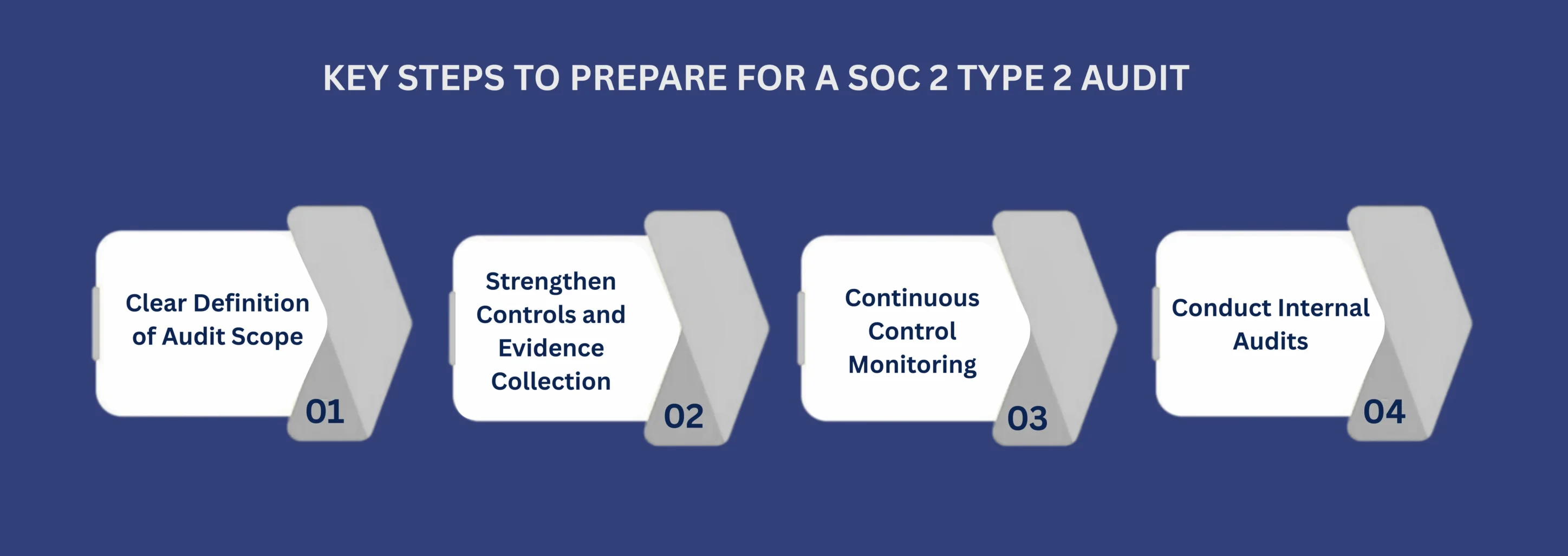
- ✓Stage 1: Scope Definition
- ✓Stage 2: Audit Program Determination
- ✓Stage 3: Stage 1 Audit — Documentation and Design Review
- ✓Stage 4: Control Testing and Operating Effectiveness Assessment
- ✓Stage 5: Nonconformity Review, Certification Decision, and Issuance of Attestation
Benefits of SOC 2 Certification in Philippines
SOC 2 Certification in Philippines delivers measurable, substantive benefits to service organizations operating in the country’s dynamic IT-BPM landscape. The attestation functions simultaneously as a market differentiator, a vendor qualification credential, a regulatory alignment tool, and an internal control improvement mechanism. Philippine organizations that have obtained SOC 2 certification report accelerated sales cycles, reduced customer audit requests, improved security posture, and greater confidence in their ability to protect customer data across complex, distributed operating environments.
For Philippine BPO, IT services, and shared services organizations, SOC 2 certification creates a demonstrable competitive advantage in RFP processes and vendor selection evaluations. Enterprise buyers — particularly US-based technology, financial services, and healthcare organizations — systematically screen potential vendors using security questionnaires and third-party risk assessment frameworks. Organizations with a current SOC 2 report can substitute the report for questionnaire responses, reducing the sales cycle burden and providing customers with independently verified evidence rather than self-attested declarations. This distinction matters significantly to procurement teams with fiduciary obligations to their own clients and regulators.
The Philippine IT-BPM sector faces intensifying competition from service providers in India, Eastern Europe, and Latin America — many of which have established SOC 2 certification programs. Philippine organizations that lack SOC 2 attestation may find themselves at a structural disadvantage in competitive bid processes where security certification is a threshold qualification. Conversely, those that have completed SOC 2 Type 2 certification engagements can position the attestation as evidence of a mature, independently examined control environment. This distinction carries significant weight with security-conscious enterprise buyers making multi-year outsourcing decisions.
SOC 2 compliance in the Philippines aligns substantively with the requirements of the Data Privacy Act of 2012 (Republic Act 10173) and the implementing rules and regulations issued by the National Privacy Commission. The NPC requires personal information controllers and processors to implement appropriate organizational, physical, and technical security measures proportionate to the nature and sensitivity of personal data processed. The SOC 2 Security and Privacy criteria address exactly these control domains. This means that the control environment examined during a SOC 2 audit in the Philippines directly supports NPC compliance obligations. Organizations registered with the NPC that hold a current SOC 2 attestation are positioned to demonstrate tangible evidence of security measure implementation during NPC compliance audits.
Beyond the NPC, Philippine financial services organizations subject to BSP circulars on technology risk management and information security will find that SOC 2 Security and Availability criteria address a substantial portion of the controls prescribed by BSP Circular 982 and subsequent guidance. This regulatory alignment means that investment in a SOC 2 audit produces compliance evidence applicable across multiple regulatory frameworks simultaneously — improving the return on certification investment for financial services and fintech organizations operating under BSP oversight.
The process of preparing for and undergoing a SOC 2 audit drives meaningful improvements in an organization’s internal control environment. Philippine organizations that have completed SOC 2 engagements consistently report improvements in access control discipline, documentation quality, incident response efficiency, and vendor management rigor as direct outcomes of the examination process. These improvements are not incidental — they result from the structured identification and remediation of control gaps required before a Licensed CPA Firm can issue an unqualified attestation. The ongoing annual audit cycle required to maintain current SOC 2 certification creates a continuous improvement dynamic that reinforces security discipline across the organization.
- ✓Demonstrated data security assurance to international clients and procurement teams
- ✓Accelerated vendor qualification and reduced security questionnaire burden in RFP processes
- ✓Competitive differentiation in the Philippines BPO, IT services, and fintech sectors
- ✓Alignment with NPC Data Privacy Act requirements and BSP technology risk management circulars
- ✓Reduced scope and frequency of customer-driven security audits and assessments
- ✓Independently verified evidence of control effectiveness for SOX and HIPAA compliance purposes
- ✓Continuous improvement in security posture through the annual SOC 2 audit cycle
- ✓Enhanced trust and transparency with existing clients considering contract renewals
- ✓Foundation for additional certifications such as ISO 27001 or PCI-DSS where required
- ✓Documented evidence of security maturity for insurance underwriting and cyber risk assessments
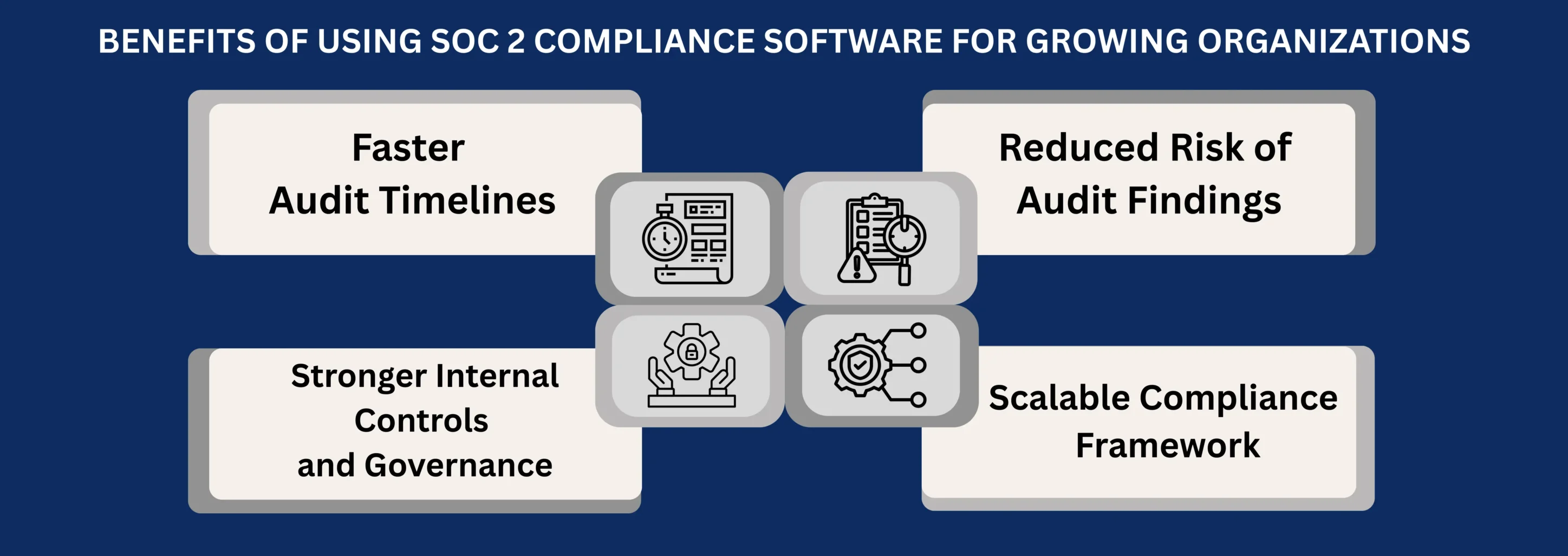
- ✓Competitive Advantage in the Global Outsourcing Market
- ✓Regulatory Alignment and Data Privacy Act Compliance
- ✓Internal Control Maturity and Operational Resilience
SOC 2 Certification Cost in Philippines
The cost of SOC 2 Certification in Philippines is determined by multiple variables including the organization’s size, the complexity of its technology environment, the number of Trust Services Criteria selected, whether the engagement is Type 1 or Type 2, and the duration of the review period for Type 2 examinations. There is no single fixed price applicable to all organizations. Any service provider that quotes a standard fee without conducting a scope assessment is not reflecting the actual variability of SOC 2 audit engagements in the Philippines. CertPro structures engagement fees transparently based on documented scope, providing organizations with a clear understanding of cost drivers before the engagement commences.
Factors Influencing SOC 2 Audit Cost
The primary cost drivers for a SOC 2 audit in the Philippines are the number of in-scope systems and applications, the number of control activities to be tested, the volume of evidence to be reviewed, and the number of locations and personnel involved. Organizations with complex, distributed technology environments — such as BPO firms with multiple delivery centers across Luzon, Visayas, and Mindanao, or cloud-native fintech companies with microservices architectures — will incur higher audit costs than single-site organizations with straightforward system landscapes. The selection of additional Trust Services Criteria beyond Security adds incremental cost proportional to the additional controls and evidence required.
Type 2 engagements are inherently more resource-intensive than Type 1 engagements due to the extended evidence review period and the sampling requirements associated with operating effectiveness testing. A SOC 2 Type 2 certification engagement with a twelve-month review period will require the auditor to examine evidence spanning the full year, drawing samples from throughout the period rather than examining controls at a single point in time. Organizations should also account for internal resource costs — the time invested by IT, operations, and management personnel in gathering evidence, responding to auditor inquiries, and maintaining documentation — when budgeting for SOC 2 certification in the Philippines.
| Cost Factor | Impact on Engagement Fee | Notes |
|---|---|---|
| Report Type (Type 1 vs. Type 2) | Type 2 fees are higher due to extended evidence review | Type 2 with 12-month period requires sampling across full year |
| Number of Trust Services Criteria | Each additional criterion adds control testing scope | Security is mandatory; additional criteria are situational |
| Organization Size and Complexity | More systems, users, and locations increase audit scope | Multi-site BPO firms and complex cloud environments carry higher fees |
| Review Period Duration | Longer periods require more evidence sampling | Minimum 6 months recommended for Type 2 first engagements |
| Third-Party Subservice Organizations | Additional subservice organizations expand carve-out or inclusive scope | Inclusive method requires more extensive auditor procedures |
Return on Investment Considerations
Organizations evaluating the cost of SOC 2 Certification in Philippines should assess return on investment in terms of revenue protection and growth enablement — not merely audit fees. A single enterprise contract won or retained because the organization holds a current SOC 2 attestation typically exceeds the total cost of the certification engagement many times over. Conversely, the cost of losing a major client renewal due to the absence of SOC 2 certification — a scenario increasingly common in the Philippine outsourcing market — dwarfs the certification investment. Organizations that treat SOC 2 as a revenue-enabling credential rather than a compliance cost will arrive at a more accurate assessment of its financial impact.
SOC 2 Attestation in Philippines: Compliance vs. Certification
A critical distinction in the SOC 2 landscape is the difference between SOC 2 compliance and SOC 2 certification. SOC 2 compliance refers to an organization’s internal adherence to the Trust Services Criteria — implementing controls, maintaining documentation, and following security procedures consistent with SOC 2 requirements. However, compliance in this sense is self-declared and not independently verified. It carries no formal attestation and cannot be presented to customers or regulators as evidence of third-party examination. Many organizations describe themselves as SOC 2 compliant without having undergone a formal audit, which can create misleading impressions in vendor qualification processes.
SOC 2 attestation in the Philippines, by contrast, is the outcome of a formal examination conducted by a Licensed CPA Firm under AICPA attestation standards. The resulting SOC 2 report contains the independent auditor’s professional opinion — a formal statement of whether controls are suitably designed (Type 1) or operating effectively (Type 2) in accordance with the applicable Trust Services Criteria. This opinion carries professional liability and regulatory standing that self-declared compliance cannot replicate. When enterprise customers request a SOC 2 report, they are requesting attestation — not a declaration of compliance — and this distinction is material to the credibility of the evidence provided.
Maintaining Current SOC 2 Attestation Status
SOC 2 certification is not a permanent status — it requires annual renewal through continuous audit cycles to maintain current attestation. Organizations must complete annual SOC 2 audit engagements in the Philippines to ensure their reports remain current and reflect the organization’s evolving control environment. Customers and their auditors consider SOC 2 reports older than twelve months to be stale. This means organizations must maintain a continuous audit program rather than treating certification as a one-time achievement. Annual recertification also ensures that the control environment keeps pace with changes in technology, personnel, and business processes — factors that can introduce new risks requiring control updates and further examination.
The annual SOC 2 audit cycle for Philippine organizations typically involves scheduling the Type 2 examination to cover a twelve-month period aligned with the organization’s fiscal year or the anniversary of the previous report. Organizations that allow their SOC 2 report to lapse — either because they delay scheduling the subsequent audit or because examination findings prevent timely report issuance — may face customer concerns, contract suspension, or requalification requirements. CertPro structures engagements to support continuous coverage, providing organizations with audit schedules that maintain uninterrupted attestation status.
SOC 2 vs. ISO 27001: Which Certification Is Right for Philippine Organizations?
Philippine service organizations frequently evaluate whether to pursue SOC 2 Certification in Philippines, ISO 27001 certification, or both. The decision depends primarily on customer requirements and target markets. SOC 2 is an attestation standard primarily demanded by North American — particularly US-based — customers as a condition of vendor approval. ISO 27001 is a management system certification with broader international recognition, especially in European, Asia-Pacific, and Middle Eastern markets. Organizations serving predominantly US clients should prioritize SOC 2; those serving European clients may find ISO 27001 or ISO 27701 more relevant; and those serving both markets may ultimately pursue both certifications.
Structural Differences Between SOC 2 and ISO 27001
SOC 2 and ISO 27001 differ fundamentally in their nature and output. SOC 2 is an attestation — a CPA firm examination that produces a formal report with an auditor’s opinion on control effectiveness tested against specific Trust Services Criteria. ISO 27001 is a management system certification — a third-party certification body assesses whether the organization has implemented and is maintaining an Information Security Management System (ISMS) that meets ISO/IEC 27001 standard requirements. SOC 2 tests specific controls based on service commitments and contractual requirements; ISO 27001 assesses whether a management system framework for security is in place and operational.
From an evidence perspective, SOC 2 examinations are more granular in their control testing. SOC 2 auditors sample specific control activities — examining individual access provisioning records, change tickets, and vulnerability reports — to assess operating effectiveness over the audit period. ISO 27001 auditors assess system-level compliance with standard clauses and Annex A controls through interviews and documentation review, without the same degree of transaction-level sampling. This distinction means that SOC 2 Type 2 reports provide customers with more specific evidence about control operation than ISO 27001 certificates. This is why US-based enterprise buyers often require SOC 2 even from ISO 27001-certified vendors.
| Dimension | SOC 2 Certification | ISO 27001 Certification |
|---|---|---|
| Nature | Attestation engagement (CPA firm opinion) | Management system certification (certification body) |
| Market Recognition | Primarily US/North American market | Global — particularly Europe, APAC, Middle East |
| Control Specificity | Tests specific controls against Trust Services Criteria | Assesses ISMS against standard clauses and Annex A |
| Report Output | Detailed SOC 2 report with auditor opinion and test results | ISO 27001 certificate and surveillance audit reports |
| Renewal Cycle | Annual audit required to maintain current attestation | 3-year certification cycle with annual surveillance audits |
Who Requires SOC 2 Certification in Philippines?
SOC 2 Certification in Philippines is applicable to any service organization that stores, processes, or transmits customer data as part of its service delivery. While the certification is not legally mandated by any Philippine statute, it is contractually required or effectively obligatory for a wide range of organizations operating in the country’s digital economy. Understanding which organizations require SOC 2 certification — and why — enables Philippine service providers to make informed decisions about timing, scope, and investment in the attestation process.
Primary Sectors Requiring SOC 2 Attestation
IT-BPM organizations serving US and international clients are the primary driver of SOC 2 demand in the Philippines. This includes customer experience management firms, healthcare BPO providers, finance and accounting outsourcing companies, HR outsourcing firms, knowledge process outsourcing organizations, and digital marketing services providers. Cloud-hosted software and SaaS providers operating from the Philippines are also primary candidates — particularly those offering services to US small and medium businesses that require SOC 2 reports as part of their own compliance obligations to customers or investors.
Data center and managed hosting providers operating in the Philippines serve a client base that specifically demands SOC 2 Availability and Security attestations as evidence that the physical and logical infrastructure supporting customer systems meets required control standards. Fintech companies — including e-money issuers, payment processors, lending platforms, and digital banks — require SOC 2 certification to satisfy both BSP regulatory expectations and the due diligence requirements of international banking partners, payment card networks, and institutional investors conducting vendor risk assessments.
Emerging Sectors Pursuing SOC 2 Audit Philippines
Beyond traditional BPO and IT services, several emerging sectors in the Philippines are increasingly pursuing SOC 2 audit engagements. Legal process outsourcing (LPO) firms handling confidential attorney-client materials and litigation data are subject to client confidentiality requirements that align with SOC 2 Confidentiality criteria. Healthcare information management companies processing electronic health records and medical imaging data for US clients face HIPAA obligations typically evidenced through SOC 2 attestation. E-commerce and marketplace platforms processing payment card data engage both PCI-DSS and SOC 2 frameworks to address the layered security expectations of their client ecosystems.
- ✓IT-enabled services and business process outsourcing organizations serving US and international clients
- ✓SaaS and cloud software providers with US-based customer bases
- ✓Data center and managed infrastructure service providers
- ✓Fintech companies, e-money issuers, digital banks, and payment processors
- ✓Healthcare BPO firms processing electronic health records and HIPAA-regulated data
- ✓Finance and accounting outsourcing organizations supporting SOX-compliant clients
- ✓HR outsourcing providers handling sensitive personal and payroll information
- ✓Legal process outsourcing firms managing confidential legal documents and litigation data
- ✓Multinational shared services centers requiring SOX-driven internal audit evidence
- ✓E-commerce platforms processing customer payment and personal data at scale
CertPro’s SOC 2 Audit Services in Philippines
CertPro is a Licensed CPA Firm providing SOC 2 audit services in Manila and across the Philippines. CertPro’s SOC 2 examination engagements are performed by credentialed professionals with deep experience in AICPA attestation standards, Trust Services Criteria, and the operational characteristics of Philippine service organizations. Engagements are structured to provide thorough, defensible examinations that produce SOC 2 reports meeting the professional standards required by enterprise customers, external auditors, and regulatory bodies.
CertPro’s Examination Methodology
CertPro conducts SOC 2 examinations using a methodology aligned with AICPA AT-C Section 205 (Examination Engagements) and the guidance provided in the AICPA’s SOC 2 Guide. Each engagement is led by a credentialed professional who maintains independence from the service organization and applies professional skepticism throughout the examination. CertPro’s examination procedures encompass inquiry of relevant personnel, inspection of documentation and evidence, observation of control activities, and re-performance of key controls where appropriate. The resulting SOC 2 report reflects the auditor’s professional judgment on control effectiveness based on the evidence examined.
CertPro’s SOC 2 audit engagements in the Philippines are designed to serve organizations across the full spectrum of the Philippine service sector — from early-stage SaaS companies undergoing their first SOC 2 Type 1 audit to large BPO enterprises with multi-site operations requiring comprehensive Type 2 examinations across complex control environments. CertPro’s professional team applies sector-specific knowledge to the design of audit programs, ensuring that examination procedures reflect the operational realities of the organization’s service delivery model and technology architecture.
Why Choose CertPro for SOC 2 Certification in Philippines
CertPro’s standing as a Licensed CPA Firm is the foundational credential that distinguishes its SOC 2 examinations from non-CPA security assessment providers. Only Licensed CPA Firms are authorized under AICPA standards to issue SOC 2 reports — security consultancies, IT audit firms without CPA licensure, and compliance advisory organizations cannot issue valid SOC 2 attestations. Philippine organizations that engage CertPro receive a SOC 2 report that meets the professional standards recognized by enterprise customers, external auditors, and regulatory bodies in the United States and internationally.
CertPro’s experience with SOC 2 attestation in the Philippines spans multiple sectors including BPO, fintech, healthcare, IT services, and multinational shared services. This sector breadth enables CertPro professionals to apply relevant benchmarks and audit program designs tailored to each organization’s specific control environment. CertPro’s track record of issuing SOC 2 reports that withstand scrutiny from enterprise procurement teams, Big 4 accounting firm auditors, and institutional investors reflects the firm’s commitment to examination rigor and the professional standards that support the credibility of every attestation issued.
FAQ
▶
Is SOC 2 Certification legally required for Philippine companies?
▶
How long does a SOC 2 audit in the Philippines take?
▶
What is the difference between a SOC 2 Type 1 and Type 2 report?
▶
Which Trust Services Criteria should a Philippine BPO company include?
▶
Can Philippine fintech companies use SOC 2 attestation to satisfy BSP requirements?
▶
How does SOC 2 Certification relate to the Philippines Data Privacy Act?
▶
What is a SOC 2 report and who can access it?
▶
How frequently must SOC 2 certification be renewed in the Philippines?
SOC 1 VS SOC 2: WHICH REPORT YOUR CUSTOMERS ACTUALLY ASK FOR
If you sell SaaS or provide outsourced services, you have likely been asked for a SOC report. However, the follow-up question is rarely easy to answer…
SOC 2 FRAMEWORK REQUIREMENTS IN 2026. WHAT HAS CHANGED?
Security reviews used to happen at the tail end of a deal. Today, they happen in the first conversation. Enterprise buyers come prepared. They ask abo…
HOW SOC 2 COMPLIANCE SOFTWARE CHANGES AUDIT READINESS
There’s a version of SOC 2 preparation that most security teams know too well. The audit date is approaching. Someone sends a spreadsheet asking for a…
Get In Touch
have a question? let us get back to you.